

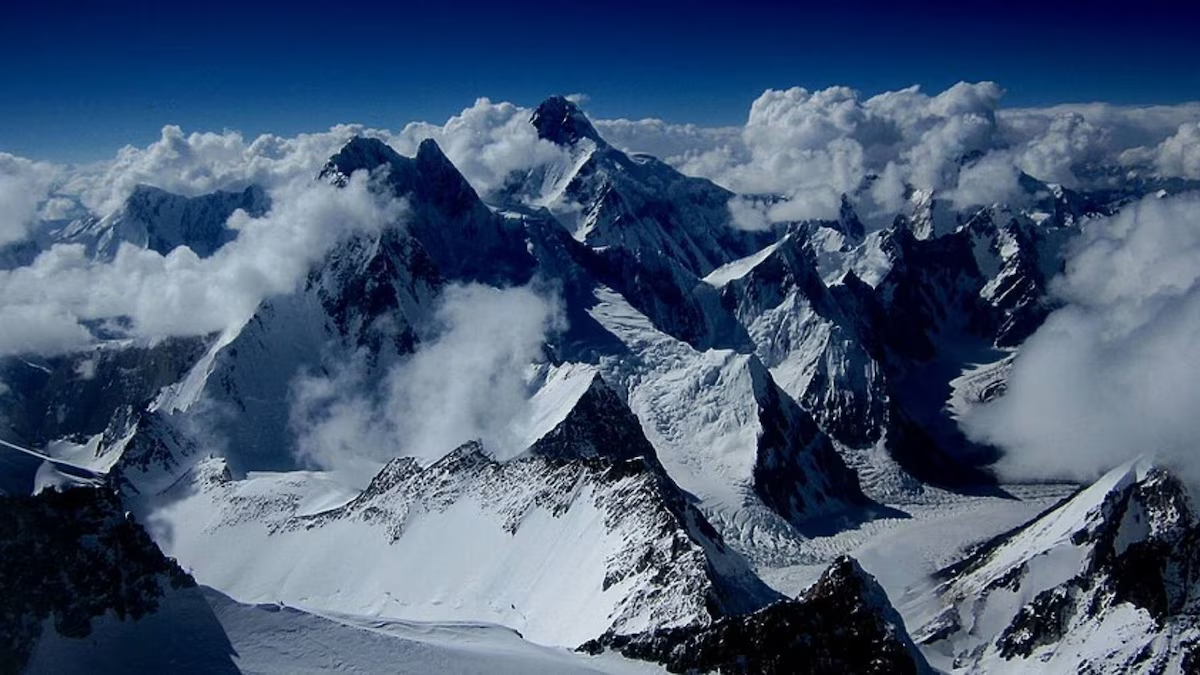
The recovery of the bodies of celebrated British-Nepali mountaineer Nirmal Purja “Nimsdai” and three fellow climbers after a deadly avalanche on Pakis…
 1/8
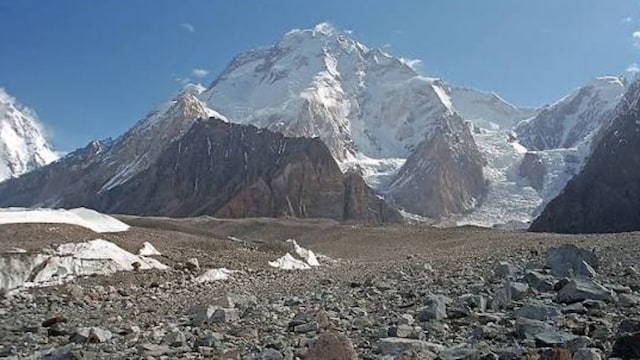
1/81. Broad Peak (Pakistan): Rising 8,047 metres (often listed as 8,051 metres in expedition records), Broad Peak is the world’s 12th-highest mountain and stands near K2 in Pakistan’s Karakoram range. While less technically demanding than K2, it poses serious risks from avalanches, deep crevasses, rapidly changing weather and the oxygen-starved death zone above 8,000 metres. The recent avalanche that claimed the lives of renowned mountaineer Nirmal Purja and several other climbers is a stark reminder of how unforgiving the mountain can be. (Image: Wikimedia Commons)
 2/8
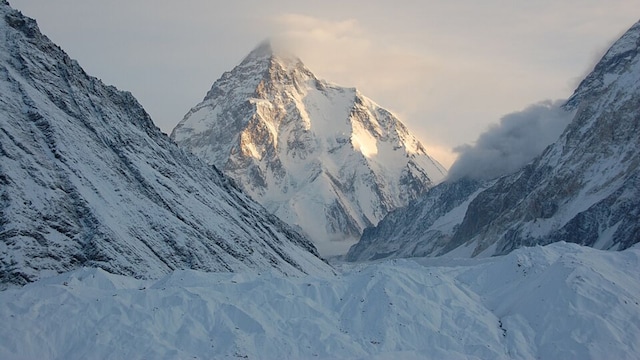
2/82. K2 (Pakistan–China): Rising 8,611 metres, K2 is the world’s second-highest mountain and is widely regarded as the most difficult 8,000-metre peak to summit. Treacherous ice faces, violent storms, frequent avalanches and highly technical climbing routes have earned it the nickname “Savage Mountain.” Even experienced mountaineers face a high level of risk on every expedition. (Image: Wikimedia Commons)
 3/8
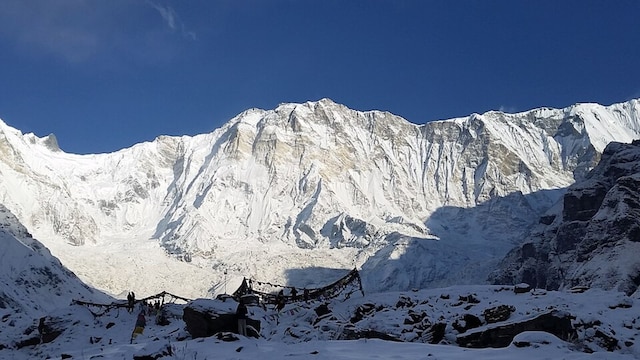
3/83. Annapurna I (Nepal): Standing 8,091 metres tall, Annapurna I is considered one of the deadliest mountains for climbers. Constant avalanche danger, unstable snow conditions and technically challenging ascent routes continue to make it one of the world’s most hazardous peaks despite advances in mountaineering equipment and weather forecasting. (Image: Wikimedia Commons)
 4/8
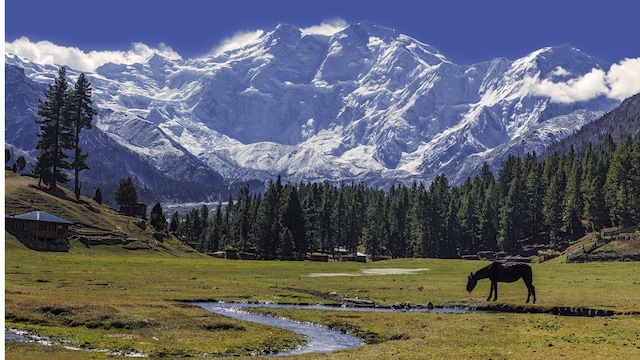
4/84. Nanga Parbat (Pakistan): Known as the “Killer Mountain,” Nanga Parbat rises 8,126 metres above sea level. Climbers face rockfalls, avalanches, extreme weather and the daunting Rupal Face—the world’s highest mountain face—making every expedition a formidable challenge. (Image: Wikimedia Commons)
 5/8
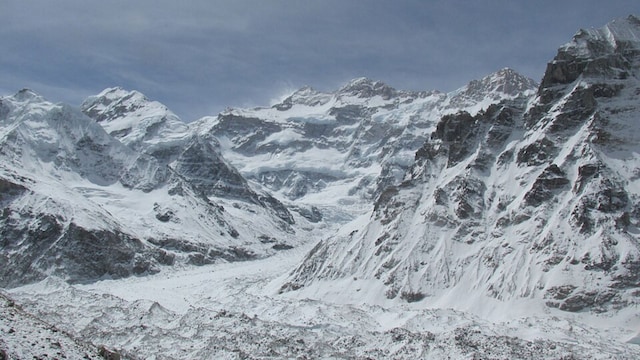
5/85. Kanchenjunga (Nepal–India): At 8,586 metres, Kanchenjunga is the world’s third-highest mountain. Its steep ice walls, frequent avalanches, unpredictable weather and complex climbing routes make it one of the toughest peaks to summit. Many climbers also stop just short of the true summit out of respect for local religious beliefs. (Image: Wikimedia Commons)
 6/8
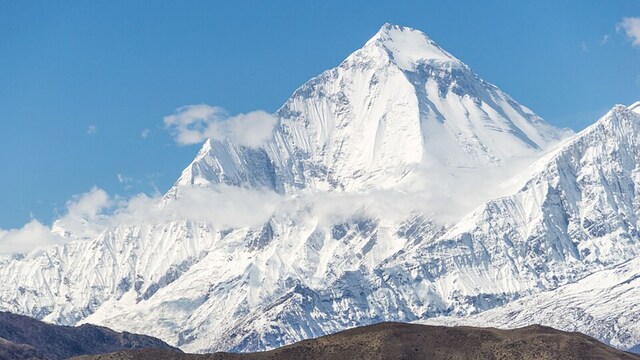
6/86. Dhaulagiri I (Nepal): Standing 8,167 metres, Dhaulagiri I is known for its steep snow slopes, avalanche-prone terrain and rapidly changing weather. The mountain’s remote location and technical climbing sections make rescue operations particularly difficult when accidents occur. (Image: Wikimedia Commons)
 7/8
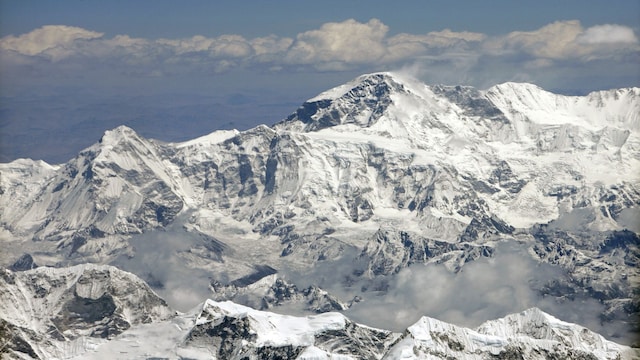
7/87. Makalu (Nepal–China): Rising 8,485 metres, Makalu is the world’s fifth-highest mountain. Its striking pyramid shape, exposed ridges, strong winds and demanding rock and ice climbing sections make it one of the most technically challenging peaks above 8,000 metres. (Image: Reuters)
 8/8
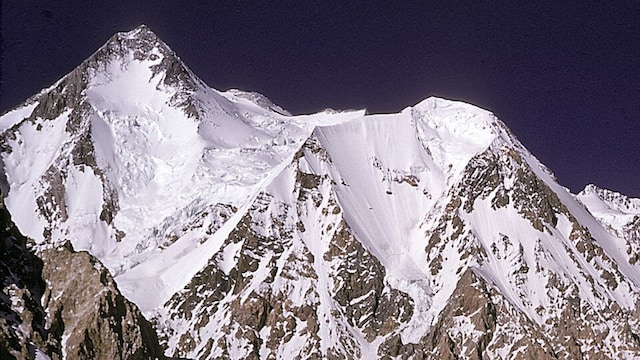
8/88. Gasherbrum I (Pakistan–China): At 8,080 metres, Gasherbrum I is another formidable Karakoram giant. Climbers must navigate deep crevasses, avalanche-prone slopes, severe weather and the dangers of extreme altitude, making it one of the world’s toughest high-altitude expeditions. (Image: Wikimedia Commons)