

Mankind has existed for hundreds of thousands of years, but some moments have left a bigger mark than others. In this series, we look back at key even…
 1/7
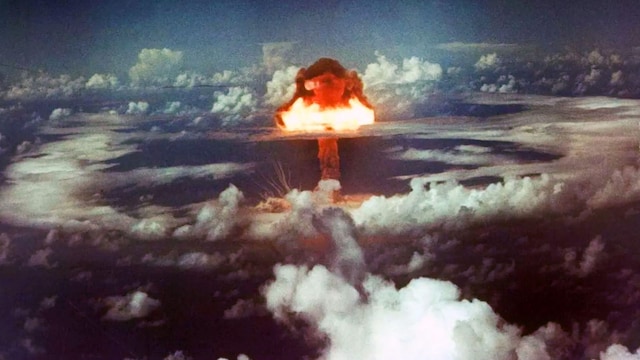
1/7August 9: Atomic bomb dropped on Nagasaki | On this day in 1945, the United States dropped an atomic bomb, codenamed Fat Man, on Nagasaki, Japan, three days after the bombing of Hiroshima. The attack killed tens of thousands of people. The two atomic bombings, along with other developments including the Soviet Union’s entry into the war against Japan, contributed to Japan’s surrender and the end of World War II, while ushering in the nuclear age. (Image: Canva)
 2/7
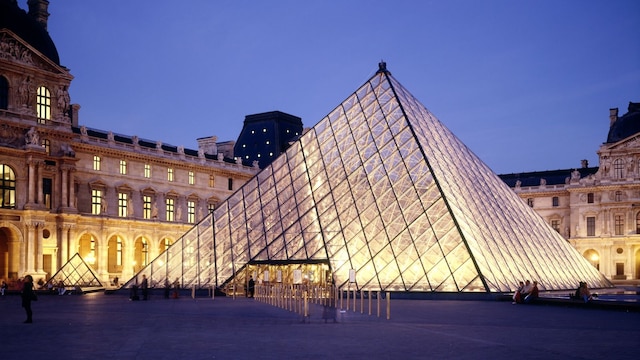
2/7August 10: Louvre opens to the public | On this day in 1793, the Louvre opened to the public as the Musée Central des Arts during the French Revolution. Originally built as a royal palace, it later became one of the world’s most famous museums and is home to masterpieces including the Mona Lisa and Venus de Milo. (Image: Canva)
 3/7
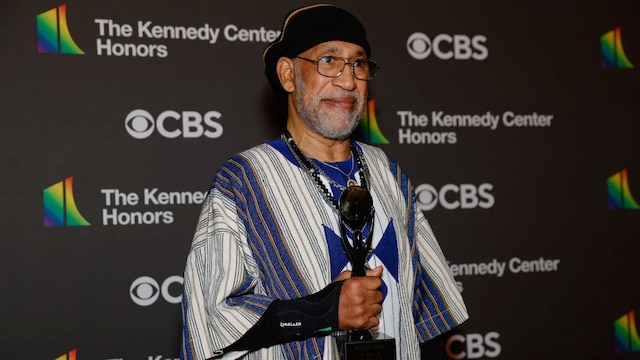
3/7August 11: A party that helped launch hip-hop | On this day in 1973, DJ Kool Herc hosted a back-to-school party in the Bronx, New York, an event widely regarded as a foundational moment in the birth of hip-hop. His use of two turntables to extend the instrumental breaks in songs helped lay the groundwork for a musical and cultural movement that would become one of the world’s most influential genres. (Image: Reuters)
 4/7
4/7August 12: IBM introduces the personal computer | On this day in 1981, IBM introduced the IBM Personal Computer (IBM PC). The machine helped establish standards that shaped the personal computer industry and accelerated the spread of computers in homes, schools and businesses around the world. (Image: Reuters)
 5/7
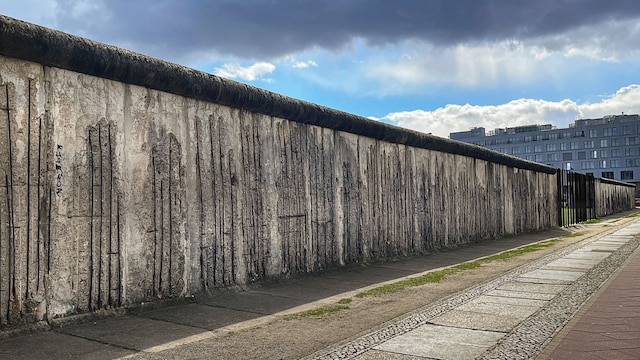
5/7August 13: Berlin Wall construction begins | On this day in 1961, East Germany began constructing the Berlin Wall, physically dividing East and West Berlin. The barrier became one of the most powerful symbols of the Cold War, separating families and communities until its fall in 1989. (Image: Canva)
 6/7
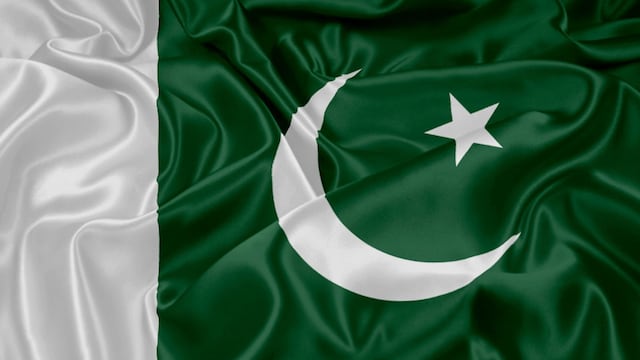
6/7August 14: Pakistan gains independence | On this day in 1947, Pakistan became an independent nation following the partition of British India. The creation of Pakistan and India triggered one of the largest mass migrations in modern history, with millions of people crossing the new borders amid widespread violence and upheaval. (Image: Canva)
 7/7
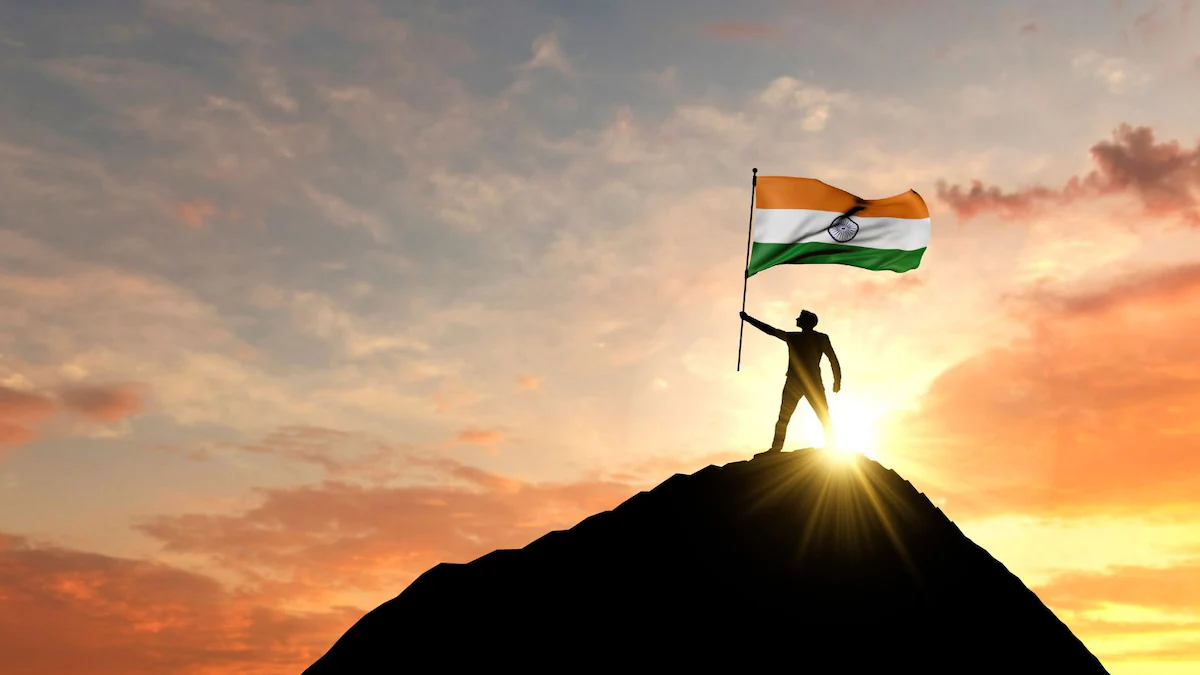
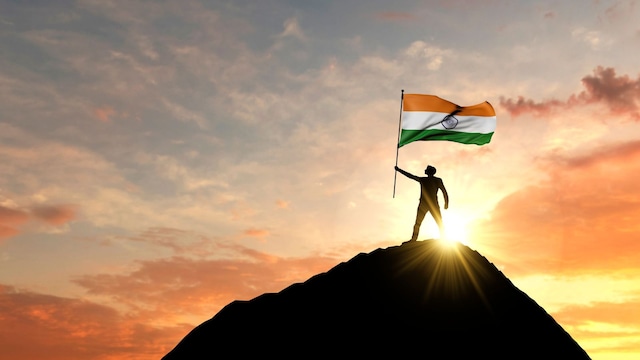
7/7August 15: India becomes independent | On this day in 1947, India gained independence from British rule after nearly two centuries of colonial rule. Jawaharlal Nehru became independent India’s first prime minister and delivered his landmark “Tryst with Destiny” speech. Independence came alongside the Partition of British India, which caused mass displacement and devastating communal violence across the subcontinent. (Image: Canva)