

By Omoyeni Ojeifo
Millions of farmers, fishers, and pastoralists impacted by severe water and land shortages in the Lake Chad Basin may soon find relief, as Nigeria spearheads an effort to raise over $50 billion to restore the shrinking lake.
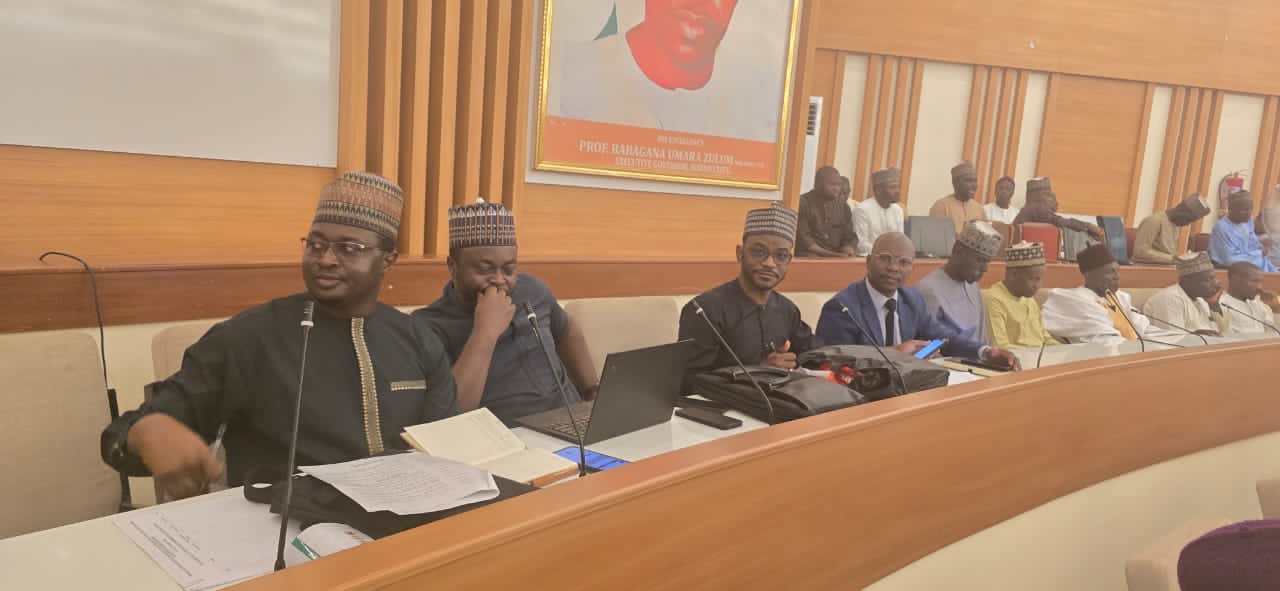
Speaking on Saturday at a two-day diplomatic retreat in Maiduguri, Borno State, Minister of State for Foreign Affairs Amb. Sola Enikanolaiye called on international partners and regional stakeholders to support the massive replenishment project, Persecondnews reports.
The retreat, themed “Strengthening Nigeria’s Engagement with the Sahel and Lake Chad Basin Countries,” focuses on peace, security and sustainable regional development.
Enikanolaiye said restoring Lake Chad was critical to protecting communities whose security, environment and livelihoods depend on the basin.
“Recharging the waters of Lake Chad is critical to the security, environment and livelihoods of our people as recently underscored by the 5th Lake Chad Governors’ Forum,” the minister said.
He maintained that Nigeria and its regional partners must now move beyond prolonged discussions and take concrete steps towards financing the restoration project.
“We must move beyond debate over feasibility environment impact assessment exercise to take concrete steps of raising over $50 billion required to actualise this strategically important regional project.”
Enikanolaiye noted the interconnected security challenges confronting countries around the Sahel and Lake Chad Basin could not be effectively addressed by individual states.
He declared: “Our response, therefore, must transcend national boundaries. It must be collective, coordinated and forward-looking; and, above all, it must underscore the role of diplomacy as the core of regional engagement.”
He also advocated stronger economic cooperation, particularly in trade, agriculture, food security and industrial value addition, as part of efforts to secure lasting regional stability.
“Countries that trade with one another do not fight one another. It is our firm belief that the promotion of closer commercial ties with industrial value addition, including agriculture and food security will lay a solid base for regional peace.”
Enikanolaiye also called for renewed commitment to the Multinational Joint Task Force (MNJTF) as Nigeria and neighbouring countries intensify joint strategies to address persistent security challenges.
On his part, the Permanent Secretary, Ministry of Foreign Affairs, Amb. Dr. Dunoma Umar Ahmed, said developments across the Sahel have profound implications for Nigeria’s national security, economic prosperity and foreign policy.
“These developments should not be considered solely as challenges, but as opportunities to review our engagement with the Sahel and Lake Chad regions through constructive dialogue, mutual respect and practical cooperation,” he said.
Ahmed said the retreat would examine practical strategies for advancing the proposed Sahel Development Compact, covering regional security, trade, infrastructure, agriculture, food security and climate resilience.
“The quality of our deliberations over the coming days will shape the policy directions that strengthen Nigeria’s engagement with the Sahel and contribute to lasting regional stability and sustainable development,” he added.
The retreat brings together Nigerian ambassadors, Sahel diplomatic representatives, ECOWAS, the Lake Chad Basin Commission, MNJTF, security agencies, development partners, humanitarian organisations and private-sector representatives.
Persecondnews also reports that the meeting is expected to culminate in a strategic roadmap for enhanced regional collaboration and reaffirm the shared commitment to a peaceful, secure and prosperous neighbourhood.