

Doing laundry often feels like an unceasing task. Just staying on top of the basics — clothes, sheets, all those towels — can be overwhelming. Which makes it even more frustrating to learn that you probably aren’t doing nearly enough laundry, but the grim truth is that most of us aren’t washing common household fabrics as frequently as we should.
This is especially true for people who suffer from allergies, asthma or skin conditions exacerbated by environmental pollutants.
“Fabrics and textiles can contain irritating chemicals and harbor allergens like pollen, dust mites, animal dander and mold,” says Melanie Carver, chief mission officer of the Asthma and Allergy Foundation of America. It’s particularly important, she adds, for those with eczema or dust mite, animal dander and mold allergies to stay on top of laundering easily overlooked fabrics.
Pet parents, too, are on the hook for more laundry.
“Especially in homes with pets, keeping fabrics on a regular wash routine can make a noticeable difference,” says Scott Grillo, a home-cleaning and laundry expert at FurZapper. “People underestimate how much fabrics throughout the home act like collection points for hair, dust, allergens and odors.”
Here are some fabric items that experts say you probably need to wash more often.
Curtains and drapes
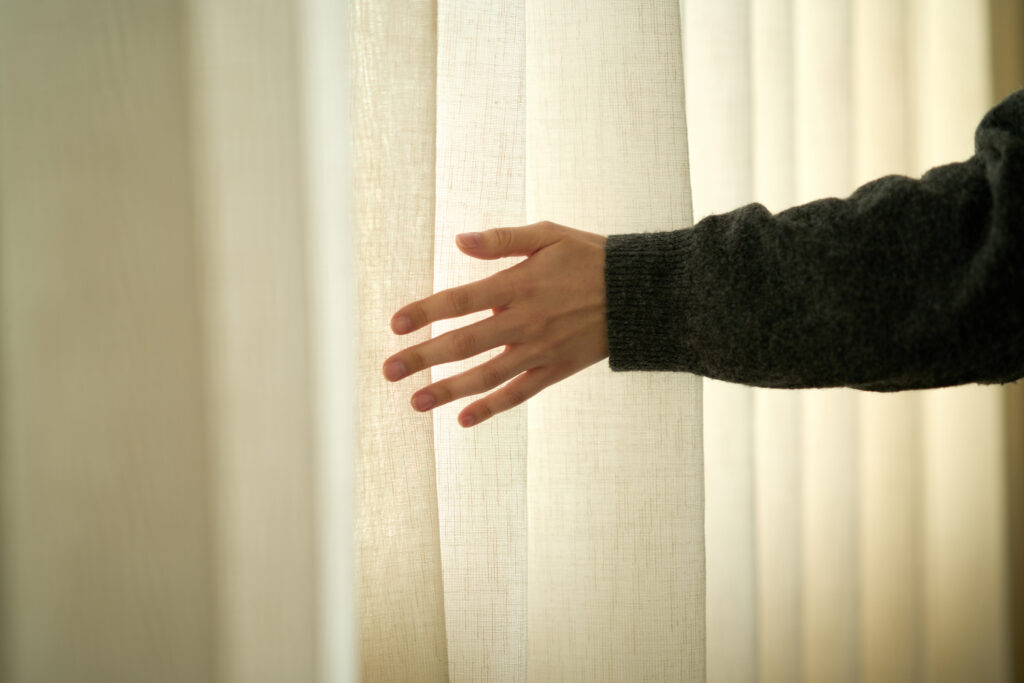
Curtains trap dust, odors and allergens such as pollen and dander, but they are often overlooked when cleaning rooms with fabric window treatments. The Asthma and Allergy Foundation recommends vacuuming curtains weekly with an upholstery attachment and washing them every three months. Curtains in bathrooms that are prone to mold and in kitchens that hold on to smells and smoke from cooking may need more frequent washing.
Throw blankets
Throw blankets are easy to overlook on laundry day, and it’s a problem “especially in homes with pets,” Grillo says. “They collect hair, dander, dust and body oils pretty quickly.” Aim to wash those that dwell on couches, chairs and beds every one to two weeks, depending on use.
Upholstered furniture
“Dust mites, animal dander and pollen can build up on and under furniture and should be vacuumed every week,” Carver says. If the furniture has washable slipcovers, launder them regularly — especially, she says, “if you have furry pets.” Deep cleaning upholstery every three to six months with a carpet and upholstery cleaning machine is also recommended.
Oven mitts and potholders
“Most people rarely think about washing these,” Grillo says, “but they absorb grease, smoke and cooking oils over time. Every week or two is usually a good rule, depending on cooking frequency.”
Kitchen towels and dishcloths
Kitchen towels are probably one of the biggest overlooked items, Grillo says. “People use the same towel for drying hands, wiping counters and cleaning spills, and usually keep it around too long.” Wash them in hot water every one to two days — and always after they have been in contact with raw meat, poultry or fish — and avoid using fabric softener, which can reduce absorbency.
Hand and bath towels
Hand and bath towels should be washed frequently to prevent mold, mildew and dust mites. “They should be washed after every couple of uses by a single person,” Carver says. “If you have eczema, wash your bath towels after every use to help prevent infection.”
Cleaning cloths
“These should be washed daily, depending on use,” Grillo says. “They’re constantly exposed to moisture and residue, so odors and bacteria can build up quickly.”
Bath mats
“The moisture in bathrooms may promote mold growth, so regular washing of bathroom floor mats and rugs is important,” Carver says. She recommends washing them at least monthly in hot water, but more frequent washing may be needed if multiple people use the bath mat or if the bathroom is prone to dampness and humidity. “If they get soaked with water after bathing,” she says, “hang them to dry over the bath or shower and turn on the exhaust fan.”
Shower curtains
Shower curtains and liners, especially plastic ones, are a breeding ground for mold and mildew. “To help reduce mold growth,” Carver says, “leave the curtain fully stretched out after showering, run an exhaust fan or open the bathroom window.” Avoid using harsh cleaning agents, including bleach, which Carver says may trigger asthma symptoms, in favor of such gentle options as soap and water or vinegar diluted with water. Most fabric and plastic shower curtains can also be machine washed in cold water. (Check the care tag for instructions.)
Pet beds
“Pet beds are honestly one of the biggest hidden fabric offenders in the house,” Grillo says. “They trap fur, dirt, odors and allergens constantly. Ideally, removable covers should be washed weekly, or at minimum every other week.”
Bed pillows
The pillows we sleep on should be laundered every three to six months, Carver says, and always after someone has been sick. Check the care tag for washing instructions — most pillows are machine washable — and use dryer balls to help redistribute the stuffing and promote even drying.
Stuffed animals and toys
Stuffed toys, like pillows, are a source of dust mites, Carver says, and should be washed at least monthly. “Place them into a laundry bag or pillowcase and wash in a washing machine with hot water,” she says. “For toys that are difficult to launder or can’t withstand hot water, vacuum with the upholstery attachment to remove the dust mite carcasses and waste.”
Throw pillows
“Living room pillows absorb a lot of everyday buildup from pets, sweat, skin oils and general use,” Grillo says. “Washing removable covers every few weeks can make a noticeable difference overall.” Launder decorative covers every two to four weeks and pillow inserts every two to three months, according to the instructions on the care tag.
Mattress covers
In addition to washing sheets and blankets, Carver recommends washing mattress covers weekly if you have allergies and monthly if you have pets. Small households and those without pets or allergy sufferers can launder mattress covers seasonally (every three to four months). “Bedding, including allergen mattress covers, should be washed in hot water and dried on high heat, as recommended for killing and removing dust mites,” she says. “The fully encased mattress covers that zip around the mattress may be challenging to remove and wash this often, so if needed, switch to vacuum cleaning.”
Fabric place mats and table runners
These fabrics “collect more crumbs, oils, dust and hair than people realize,” Grillo says. “Most households probably don’t wash them enough.” He recommends laundering such items every one to two weeks.