

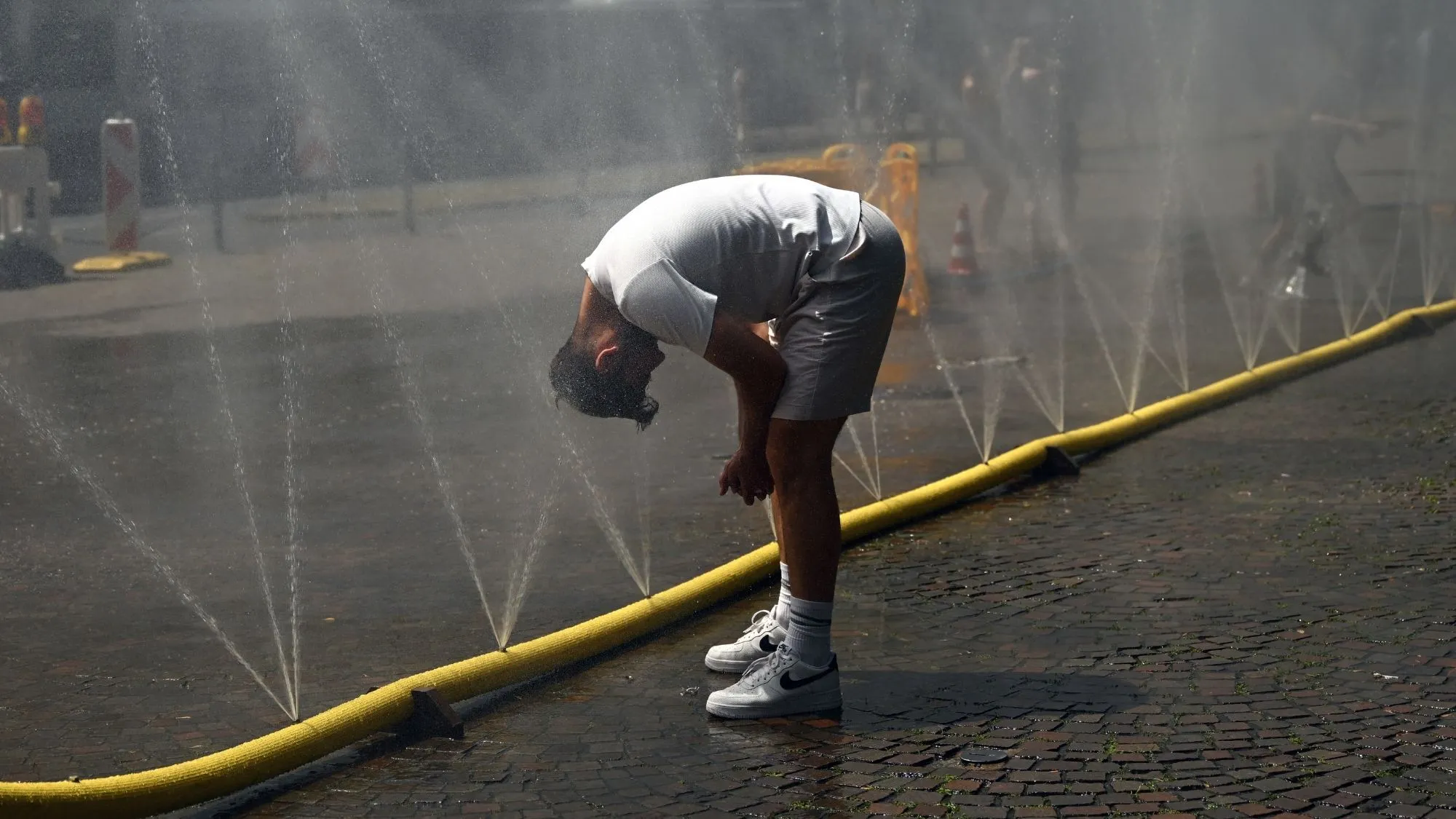
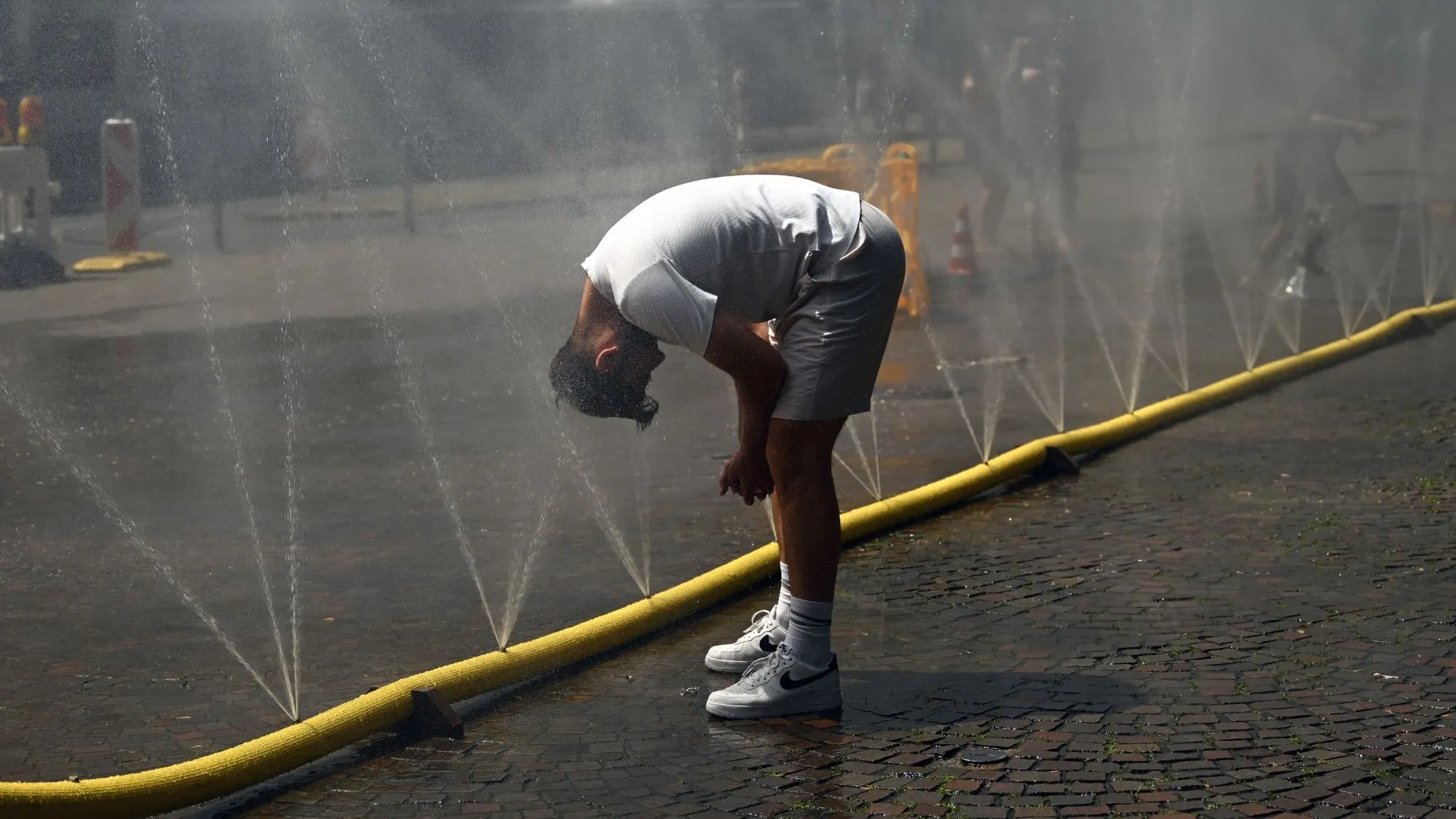
Much of the U.S. experienced a record-breaking heatwave over the 4th of July weekend. On the East Coast, stepping outside felt like opening your door to a wall of thick, hot air. Spending time under the sun was a no-go, unless you were in a pool or hosing yourself down every few minutes. And unfortunately, I was one of the unlucky ones who lost power and had no AC.
But experts warn that the hot days aren’t the only dangerous ones to look out for. In fact, the days following the heatwave—when temperatures are finally dropping, and the air is cooling—can still bring issues for many people. Just because it’s no longer hot does not mean you’re in the clear. Many people experience what’s known as a “heatwave hangover,” and its effects can be brutal.
What Is a ‘Heatwave Hangover?’
A heatwave hangover is essentially the lingering effects a heatwave has on your body. Think: physical exhaustion, mental fatigue, dizziness, low blood pressure, etc.
“A heatwave hangover isn’t really dehydration, and it’s also not even about the day it’s hot,” says Jake McFadden, founder and CEO of Forbidden Well, certified elite personal trainer, certified nutrition coach, certified corrective exercise specialist, and certified DNA-based coach. “It’s basically the after effects that your body has to take on and pay for two or three days after the fact.”
For example, maybe you’ve been experiencing more brain fog than usual, or perhaps you’re lifting a little less at the gym this week. It’s important to support your body through this phase, not push it even further into exhaustion.
“When there’s a heatwave, you’re burning through all your electrolytes and minerals, and your body is working in overdrive to keep itself cool,” McFadden says. “But even after it cools down, your nervous system can still be stuck in that mode. So that’s why after major heat waves a lot of people can feel totally wiped, foggy, and fatigued.”
Nursing a Heatwave Hangover
Just as you would during a regular hangover, it’s important to fuel your body so it can properly recover from the extreme heat and potential dehydration. However, this isn’t as simple as drinking more water.
“The mistake almost everyone makes is to just chug water. But we all know that when we sweat, we’re sweating out all of those electrolytes: the sodium, potassium, and magnesium,” says McFadden. “So the goal is to salt your water or have a low-sugar electrolyte drink, and pull your nervous system out of that high gear. Doing that will clear your hangover faster than water ever can.”
Additionally, as your body is recovering, try not to overload it with heavy meals. Stick to smaller, more frequent meals and easy-to-digest foods. It’s also best to avoid alcohol for a few days, as this can delay recovery or make a bad situation worse.
If your body is asking for rest, give it rest. Now is not the time to push yourself. Odds are, the more you ignore your body’s signals, the louder they will get. Stay cool, sip some electrolyte drinks, and relax until you’re feeling back to normal. Your body will thank you.