

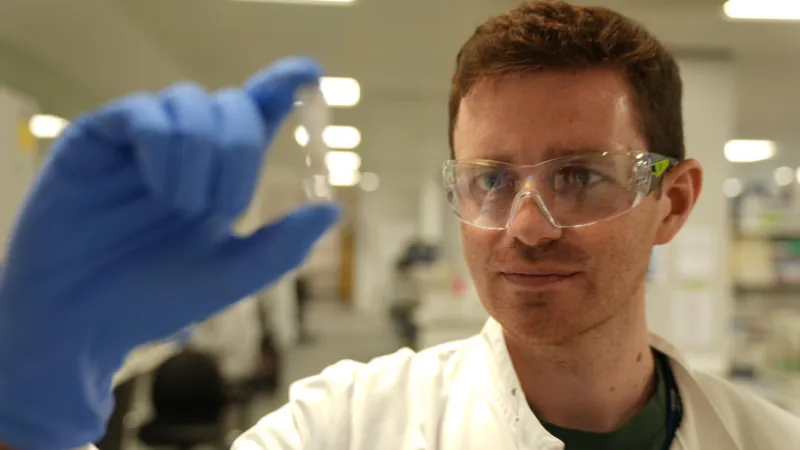
A new Ebola vaccine has entered human trials in the United Kingdom after receiving regulatory approval, marking a major milestone in efforts to combat one of the world’s deadliest viruses.
Developed by scientists at the University of Oxford, the vaccine was created in just eight weeks after a public health emergency was declared over the latest Ebola outbreak.
It is the first of four experimental Ebola vaccines currently under development to reach clinical trials.
Volunteers are now being recruited, with the first doses expected to be administered to healthy adults in the UK within weeks.
The trial began in Oxford on Monday following the Ebola outbreak declared on May 17 in the Democratic Republic of Congo, where the disease has killed 625 people and infected 1,792 others.
Chief investigator, Dr. Katrina Pollock, said the study would involve 50 healthy adults aged between 18 and 55, who will be monitored for a year.
“We’re doing phase one trials of new vaccines all of the time, precisely to be ready for exactly this kind of outbreak,” she said.
The vaccine was developed using the same platform technology behind the Oxford/AstraZeneca COVID-19 vaccine, allowing researchers to rapidly adapt it to target the Bundibugyo strain of Ebola, which requires a strain-specific vaccine.
Researchers are also working with partners in Uganda to prepare for future clinical trials in Africa, where the outbreak continues to spread amid conflict and population displacement.
Health officials said the pace of the outbreak underscores the urgent need for an effective vaccine. Although participants will be followed for a year, researchers expect to determine much sooner whether the vaccine generates a protective immune response and whether any significant side effects emerge.