

A previously unreported Drug Enforcement Administration assessment has undercut one of President Donald Trump’s signature claims about his military campaign against drug traffickers.
The Washington Post reported that the DEA assessment, as well as a closed-door congressional briefing and interviews with current and former officials, showed months of deadly strikes on suspected smuggling boats have done nothing to reduce the flow of cocaine into the United States.
“Smugglers have adapted to the intensified pressure,” DEA analysts wrote. “Price and availability have not been noticeably affected.”
Cocaine’s price and purity in the U.S. have remained essentially unchanged since Operation Southern Spear began in September, the assessment found. Traffickers, rather than being deterred, have simply changed course — swapping go-fast boats for larger vessels that hug the coastline, leaning more heavily on clandestine aircraft routes through Colombia and Venezuela, and in some cases bribing officials for warning of U.S. ship movements.
The findings directly contradict Trump’s repeated assertion — made publicly more than a dozen times — that the strikes have slashed maritime drug trafficking by 97 percent to 98 percent. DEA analysts instead reported that early disruptions to smuggling routes reversed within months, with prices and availability returning to normal.
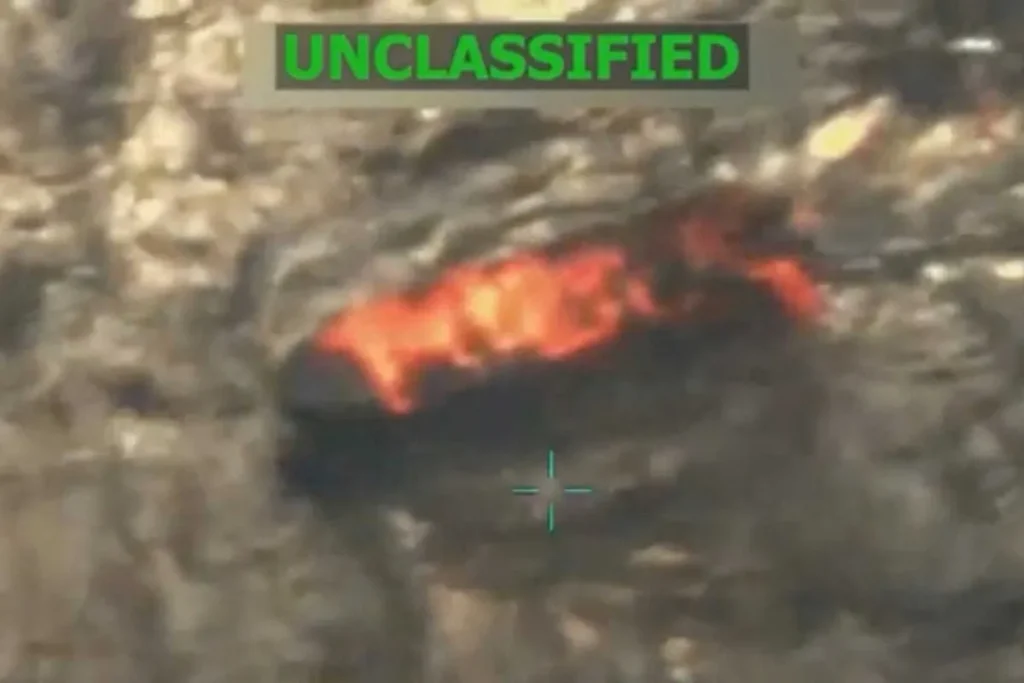
At least 221 people have been killed in strikes on more than 67 boats since September, drawing criticism from legal analysts who call the attacks extrajudicial killings. The White House has defended the strikes as both lethal deterrence and a demonstration of resolve, while acknowledging traffickers have shifted tactics.
“When you squeeze the balloon on one side, it always expands on the other side,” one DEA official told the Post on the condition of anonymity. “They always find the weak spots and exploit them.”
A senior Colombian security official said the strikes have had only a limited effect, pushing more cocaine through legitimate ports and onto stockpiling ships instead.
The strikes may also be undermining the U.S. government’s own investigative capacity. Informants who once fed intelligence to build cases against trafficking networks are reportedly being pulled from the field, out of fear they could be killed in a strike.
Meanwhile, the broader supply picture looks worse, not better.
A recent United Nations report found global cocaine production at record highs, with cultivation and manufacturing having surged over the past decade. Research has tied that boom directly to rising U.S. overdose deaths — deaths that experts say are driven far more by production at the source than by what’s intercepted at sea.
Administration officials defended the strikes as necessary and effective.
“These measures have not only eliminated narcoterrorists themselves, but also discouraged bad actors from trying to smuggle drugs into our country should they meet the same deadly fate,” said White House spokeswoman Anna Kelly. “President Trump is using every tool at his disposal to save lives from the scourge of illicit narcotics, and any suggestion that these efforts have not been effective are laughable.”