

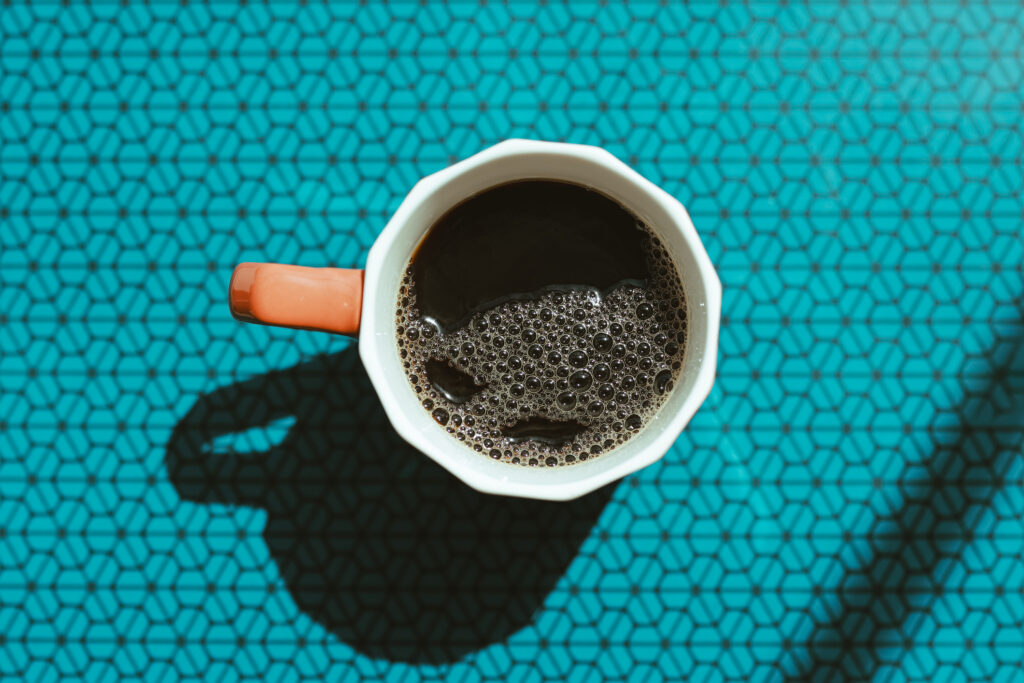
On average, people consume around 200 milligrams of caffeine daily — the equivalent of about three espresso shots — from coffee, tea, soda, energy drinks, chocolate and other foods.
Here’s what the latest research shows about how caffeine may affect your health.
Some good news
- Large observational studies and small clinical trials suggest that consuming up to 400 milligrams of caffeine daily, the amount in about three to five 8-ounce cups of caffeinated coffee, is safe for most adults.
- This amount of caffeine consumption from coffee and tea in particular is linked to a lower likelihood of developing heart disease, strokes, heart attacks, heart failure, Type 2 diabetes, hypertension and atrial fibrillation.
- Large studies have found that both coffee and tea drinkers have a lower risk of developing Parkinson’s disease.
- Studies have also found that caffeine enhances vigilance, alertness, attention and reaction time.
Some caveats
- Caffeine is not a panacea, said Gregory M. Marcus, a professor of medicine in the division of cardiology at the University of California at San Francisco. People who consume a lot of caffeine can experience anxiety, jitteriness, nausea, stomach upset and insomnia.
- Studies that show potential health benefits are almost entirely limited to people who consume naturally occurring caffeine in foods like coffee, tea and chocolate. “There’s no evidence of any health benefits from energy drinks or synthetic caffeinated products such as dietary supplements,” Marcus said. “And while the data on energy drinks is limited, it points to harm — specifically higher risks of potentially dangerous heart rhythm disturbances and heart failure.”
Catch up quickly every weekday morning with a rundown of the 7 most important and interesting stories. Sign up for The 7 newsletter.