
The AI industry has already spent $65 million ahead of the midterm elections with no signs of slowing down.

Some of the biggest names in AI and tech are using the midterm elections to fight a proxy war over the future of their industry.
Anthropic, Meta, and OpenAI President Greg Brockman are among those linked to networks of outside groups and super PACs aimed at shaping the next Congress and the balance of power in some state legislatures.
Already, the groups have spent over $65 million, with tens of millions still left in reserve. The full total may not be known for some time due to so-called “dark money” groups that don’t have to regularly disclose their expenditures.
The Trump administration has generally taken a friendly approach to AI regulation, but tensions have flared after the White House slowed the release of the latest frontier models from Anthropic and OpenAI. Both companies are also closely watching what, if anything, the Trump administration and lawmakers decide to do about China-based open weight AI models like Moonshot AI’s popular Kimi K3.
AI is facing a critical moment as more people are using more advanced models than ever before. At the same time, the industry has become deeply unpopular. Some states are even considering enacting data center moratoriums like the one New York Gov. Kathy Hochul recently signed into law.
Here are the super PACs to keep an eye on as the year progresses.
Leading the Future
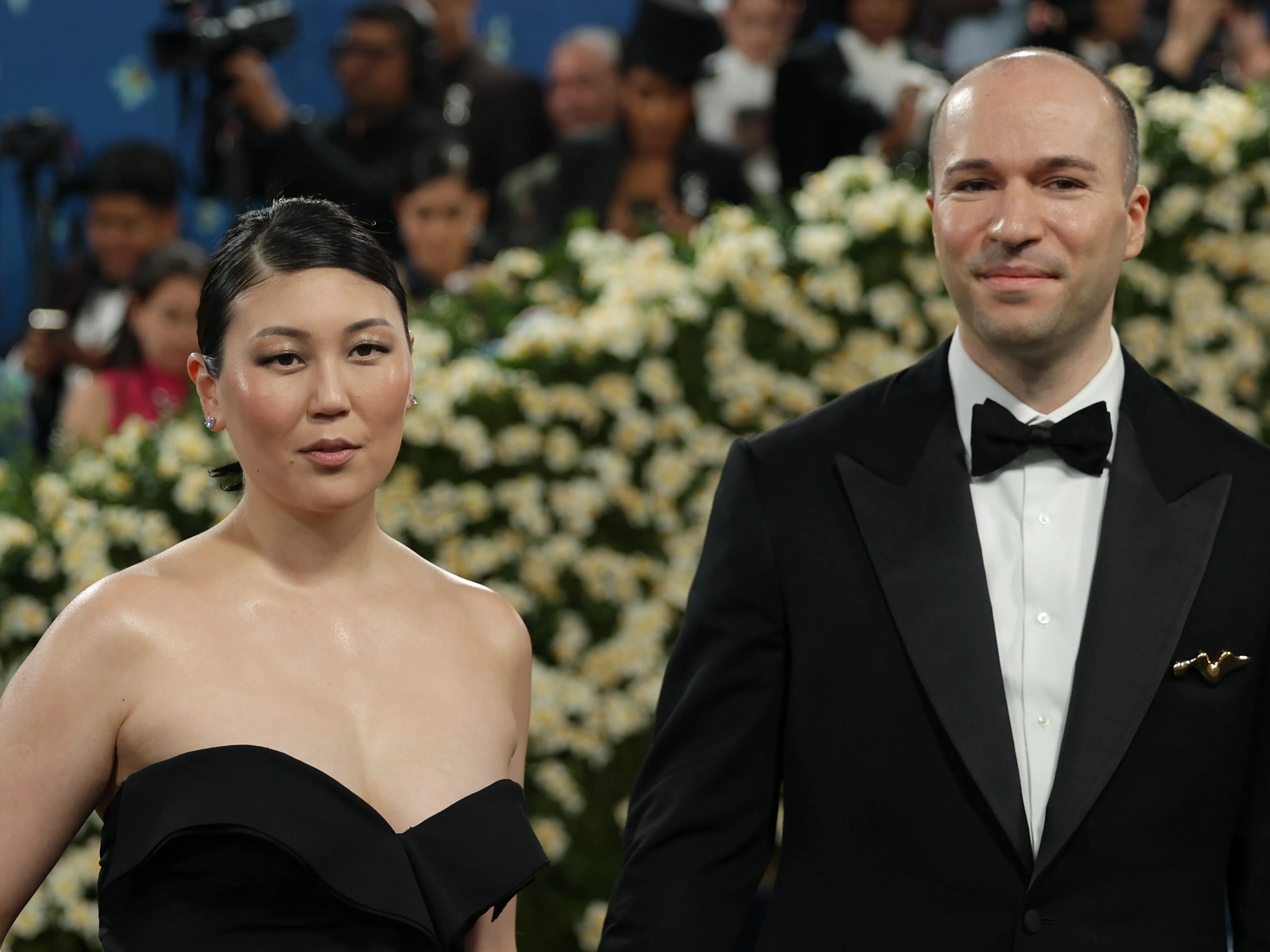
The biggest player so far is Leading the Future, a pro-AI network of super PACs associated with some of Silicon Valley’s tech elite.
The group’s main super PAC has raised just under $76 million as of the end of June, according to FEC filings.
That included:
- $50 million from Andreesen Horowitz;
- $25 million from OpenAI CEO Greg Brockman and his wife Anna;
- $25 million from Marc Andreessen and Ben Horowitz ($12.5 million each)
- $100,000 from Perplexity.
Brockman explained his philosophy on political giving in a lengthy post on X at the end of 2025, writing in part that “being pro-AI does not mean being anti-regulation.”
OpenAI has distanced itself from Brockman’s donations after Leading the Future received significant attention, saying he is acting in his personal capacity.
The network includes a super PAC for Democratic races, Think Big, along with a GOP-focused super PAC, American Mission.
Leading the Future has redirected $20 million to Think Big. FEC filings show that SV Angel Founder Ron Conway kicked in another $500,000 to the Democratic-focused super PAC.
Meanwhile, 8VC Founder Joe Lonsdale gave $250,000 to American Mission. Leading the Future has also redirected another $20 million to the Republican-focused super PAC.
The group said in an August 2025 release that it plans to serve as the “political and policy center of gravity for the AI industry” and will “support candidates aligned with the pro-AI agenda” and “oppose those that do not.”
Think Big and American Mission have spent over $29 million so far. Leading the Future is also sitting on more than $31 million, leaving the group plenty in its coffers as the midterms approach.
So far, Think Big has spent over $18 million so far, over $7.6 million more than American Mission, its Republican focused counterpart.
Of the $18 million, $8 million was spent against Assemblyman Alex Bores in the Democratic primary for New York’s 12th congressional district. Bores, who once worked at Palantir, called for stronger regulations of AI, which he had pursued during his time in the New York legislature. He ultimately finished second to fellow Assemblyman Micah Lasher, who also supported stronger AI regulations. Think Big also spent another roughly $7.2 million backing a handful of Democratic US House hopefuls, the most of which ($1.4 million) was on former Congressman Rep. Jesse Jackson Jr.’s unsuccessful comeback bid in Illinois.
American Mission has spent $10.7 million thus far. In total, the group has tried to boost 19 GOP candidates running for Congress. The group spent over $960,000 boosting Georgia Republican Jim Kingston, the son of former US Congressman Jack Kingston.
Leading the Future also has an allied nonprofit called Build American AI, which is not required to disclose its donors.
Public First
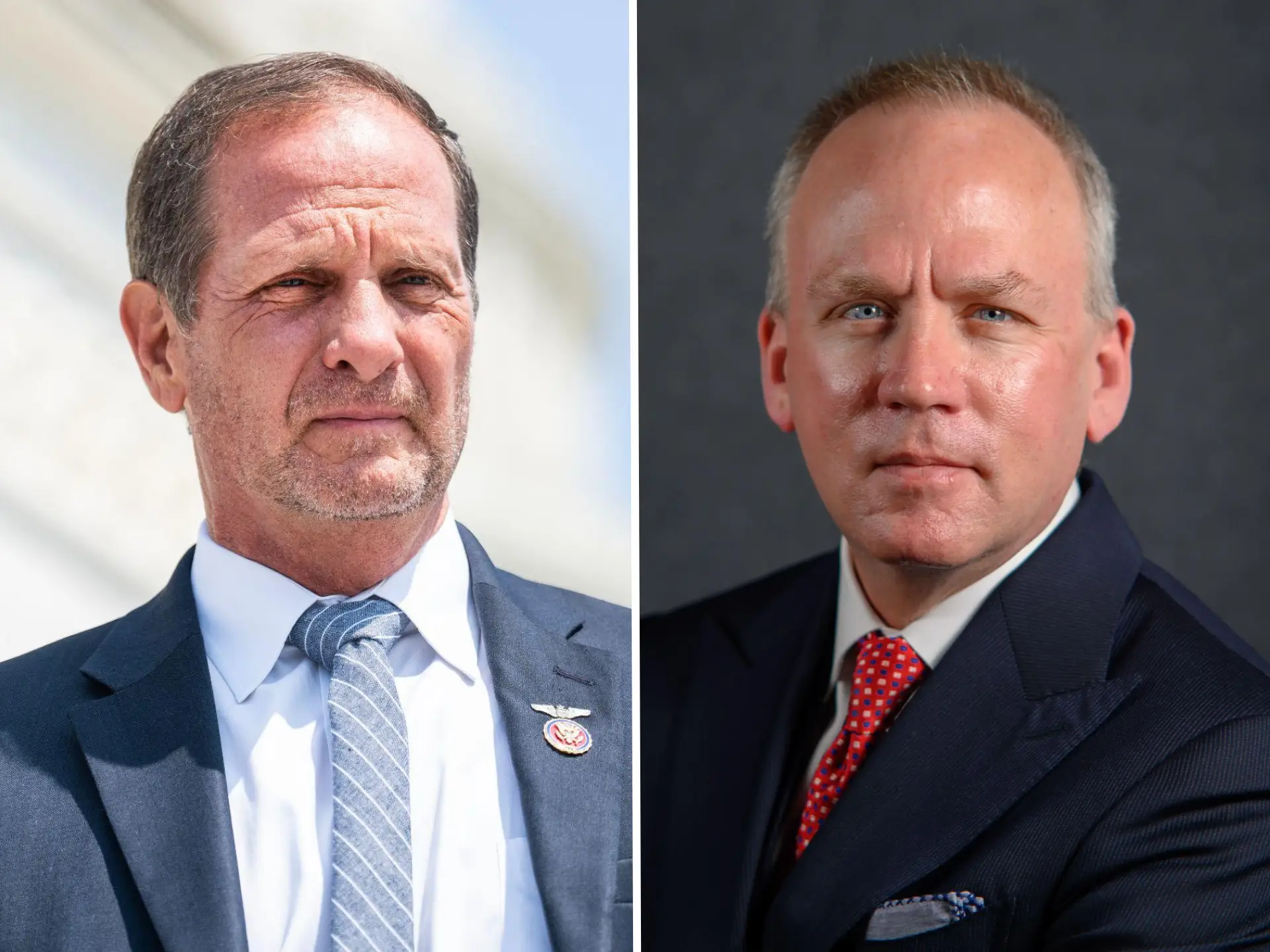
In response to Leading the Future, two former congressmen — Republican Chris Stewart of Utah and Democrat Brad Carson of Oklahoma — have formed a competing political network, Public First, to back candidates who support AI regulation.
Public First Action, the umbrella organization for a trio of super PACs, is not required to disclose its donors. In June, the group said it had raised $80 million thus far. Anthropic has donated $40 million to the group.
Carson previously told Business Insider that he felt good about Public First’s odds, even if the group was likely to be outspent by Leading The Future. At the time, Public First Action aimed to raise $50 million.
“We have $50 million and 85% of public sentiment. They have 15% of public settlement, and $100 million,” Carson said. “I will take our side of that bet any day.”
Anthropic said it doubled its support, the AI startup had first donated $20 million in February, due to the rapid advancements in AI, including the development of its Claude Mythos model. Mythos is so advanced that, as of late July, it remains only accessible to a limited number of companies and organizations due to concerns about its hacking capabilities.
“Our donation to Public First Action is one way in which we’re trying to raise the salience of this urgent policy debate,” Anthropic said in its July donation announcement.
Anthropic has said its donations “cannot be used to influence the election of any candidate for federal, state, or local office,” but Public First Action’s allied super PACs engage in exactly those types of activities.
The group has two super PACs: one that supports candidates from both parties called Public First; one that supports Democrats, called Jobs and Democracy PAC, and another that supports Republicans, called Defending Our Values PAC.
Public First is the smallest of three super PACs, though it has attracted the support of the biggest name. Anthropic CEO Dario Amodei donated $1 million to the group. Other Anthropic staffers have donated an additional $2.1 million.
Public First Action and Public First have donated over $19 million combined. The next largest donor is Jan Leike, who leads the Alignment Science team at Anthropic. Leike donated $100,000 and separately donated an additionall $400,000 to Public First.
Jobs and Democracy PAC has spent just under $20 million so far. The overwhelming majority of those funds, just over $15 million, was spent on boosting Bores during his unsuccessful primary campaign. The group has spent another $1.6 million on boosting Rep. Valerie Foushee of North Carolina, who survived a closely-watched Democratic primary.
Defending Our Values PAC has spent $5 million thus far. Like Jobs and Democracy, its largest supporters are also Public First Action and Public First, which combined have sent over $5.2 million to the group
Of those funds spent thus far, Republican Carlos De La Cruz has been the biggest beneficiary, with over $1.4 million spent thus far on pushing his election in a closely-watched US House race for a redrawn district in Texas. The group has spent another roughly $1 million to boost Rep. Celeste Maloy of Utah, who, due to redistricting, is running for reelection in a reconfigured district.
Two Meta-backed groups
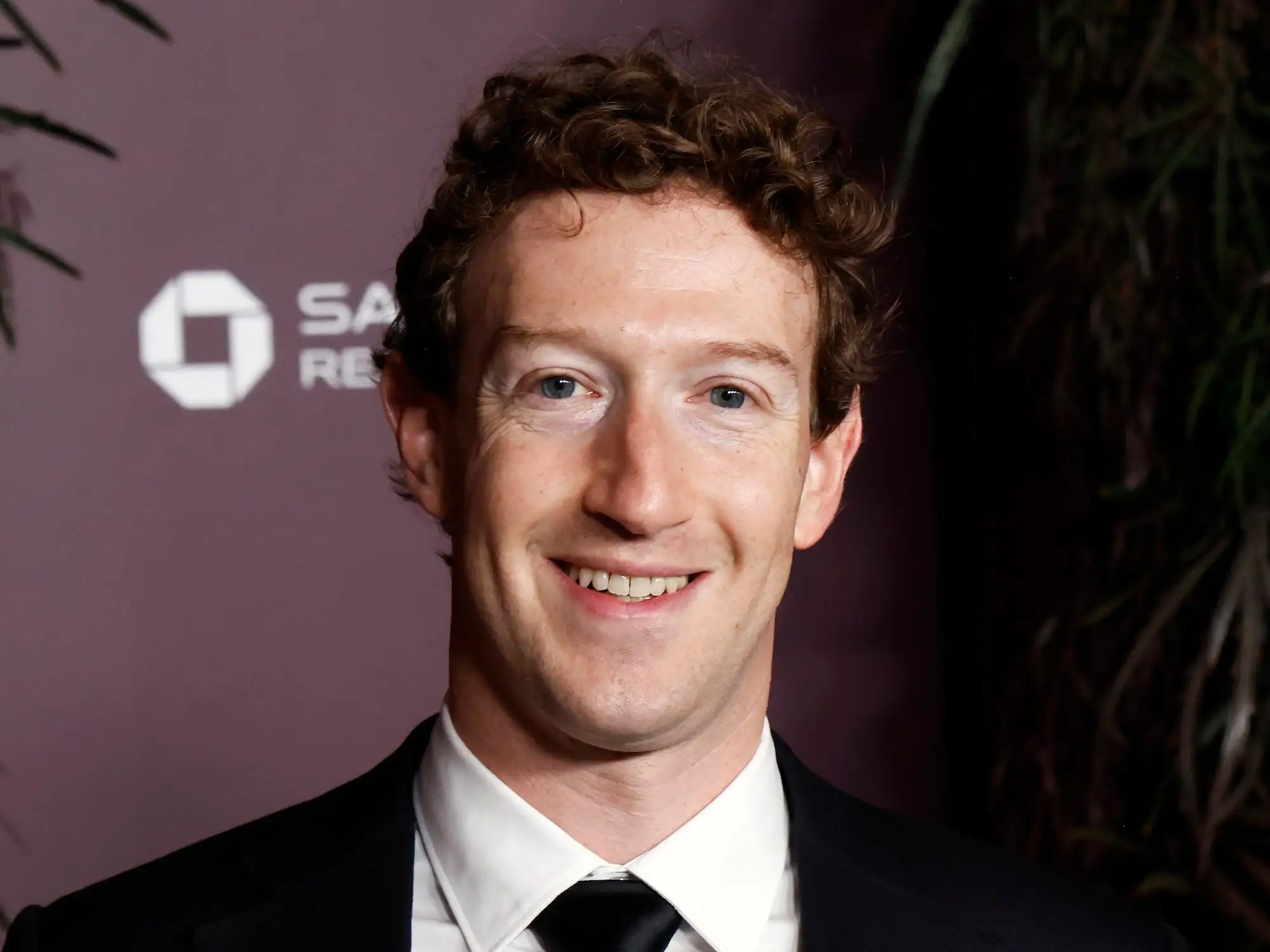
Meta is also getting into the spending game, establishing two different groups to support candidates aligned with their vision for AI regulation.
Unlike the other groups, Meta’s efforts will focus primarily on the state level.
One group, called Mobilizing Economic Transformation Across (Meta) California, focuses specifically on the Golden State, where Meta is headquartered.
“As home to many of the world’s leading AI companies, California’s innovation economy has an outsized impact on America’s economic growth, job creation, and global competitiveness,” a Meta spokesperson previously told Business Insider. “But Sacramento’s regulatory environment could stifle innovation, block AI progress, and put California’s technology leadership at risk.”
The spokesperson added that the PAC would back candidates in both parties who “recognize California’s vital role in AI development and embrace policies that will keep the state at the forefront of the global tech ecosystem.”
Meta gave $20 million to its California-focused PAC in August 2025, according to documents recently filed with the California Secretary of State.
The California-focused group has spent over $4.3 million thus far. The largest beneficiary has been Scott Sakakihara, a Democrat running for a state Senate seat that covers part of Silicon Valley. The group has spent $1.3 million boosting Sakakihara’s run.
A separate group, the American Technology Excellence Project, is focused on races in other states.
“Amid a growing patchwork of inconsistent regulations that threaten homegrown innovation and investments in AI, state lawmakers are uniquely positioned to ensure that America remains a global technology leader,” Meta VP of Public Policy Brian Rice said in a statement to Business Insider.
The group is a 527, a special kind of nonprofit specifically created to influence elections. Unlike so-called “dark money” groups, 527s have to reveal their donors.
Meta donated $45 million to the group, according to information filed with the IRS.
Of those funds, Meta has redirected $5.5 million to a pair of allied super PACs that will operate at the state level. The super PAC supporting Republicans is called Forge the Future, and the group supporting Democrats is called Making Our Tomorrow.
An Illinois-based branch of Making Our Tomorrow has reported spending over $650,000 thus far. While a Texas-based branch of Forge Our Future has spent over $1.3 million thus far.
Read the original article on Business Insider