

By Omoyeni Ojeifo
African countries have been urged to correctly implement global standards on combating terrorism financing by adopting risk-based measures that protect legitimate non-profit organisations while targeting genuine threats.
Victoria Ibezim-Ohaeri, Executive Director of Spaces for Change, Nigeria,(S4C), said on Tuesday in Abuja that the expansion of terrorism threats across Africa between 2015 and 2025 showed the need for stronger preventive measures, but warned against applying blanket restrictions to all non-profit organisations.
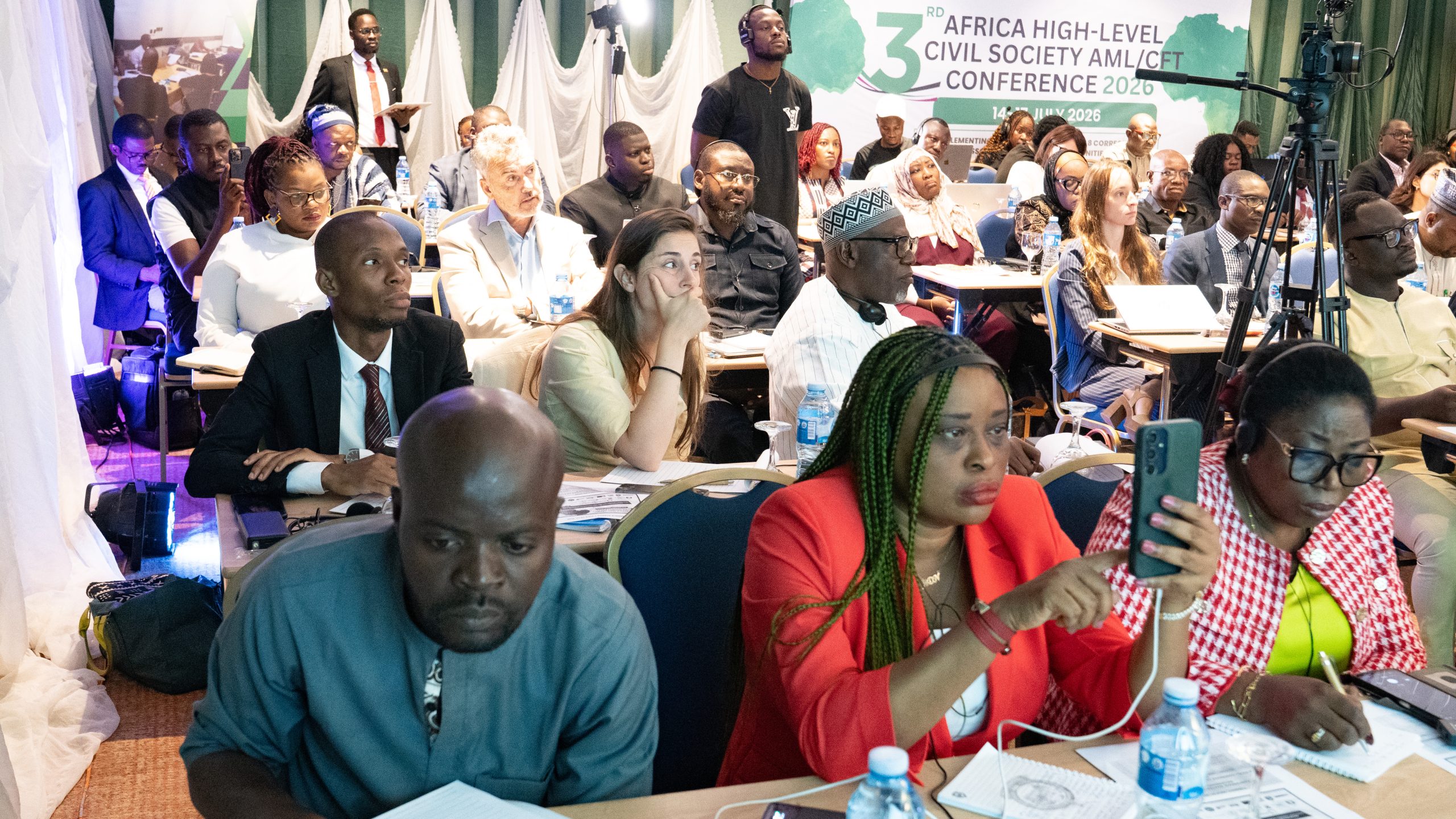
Persecondnews reports that Ibezim-Ohaeri spoke during a pre-masterclass for non-profit organisations held ahead of the 3rd Africa High-Level Civil Society Conference on Anti-Money Laundering and Countering the Financing of Terrorism (AML/CFT), organized by Spaces for Change.
The event, themed, “Implementing FATF Recommendation 8 Correctly: Practices, Lessons Learned and Opportunities for Reforms,” examined measures to protect legitimate non-profit organisations from terrorism financing risks while strengthening compliance with international anti-money laundering and counter-terrorism financing standards across Africa.
She said the fight against money laundering and terrorism financing must be guided by evidence-based assessments that distinguish between organisations facing genuine risks and legitimate non-profit groups carrying out humanitarian, development and community-based activities.
“The few dots we had in 2015 were already disturbing enough. Then by 2025, it was like a proliferation of threats. That means some of the countermeasures that have been introduced are necessary, but we must look at the legal foundation and how risks are assessed,” she said.
She explained that global standards guiding countries’ actions were derived mainly from the Financial Action Task Force (FATF) recommendations, particularly Recommendations One and Eight.
“Recommendation One obligates countries to identify, assess and understand the money laundering and terrorism financing risks for their countries, while Recommendation Eight focuses on identifying non-profit organisations that, because of their activities or characteristics, are likely to be vulnerable to terrorism financing abuse,” she said.
According to Ibezim-Ohaeri, FATF’s approach to non-profit organisations had evolved after concerns that early measures introduced following the September 11 attacks created broad suspicion around the sector.
“The original language of Recommendation Eight said NPOs were particularly vulnerable to terrorism financing abuse. That came after 9/11, when investigations into the World Trade Center attacks found some funds had moved through channels linked to terrorism. But one brush was then used to paint all NPOs across the world,” she said.
She said the 2023 revision of FATF Recommendation Eight was aimed at ensuring countries focus on organisations assessed to have genuine risks while protecting legitimate humanitarian activities.
“Countries should have focused, proportionate and risk-based measures without unduly disrupting and discouraging legitimate NPO activities. The language changed because there was evidence of disruption happening across jurisdictions,” she noted.
The Spaces for Change director explained that countries consider factors including location, funding sources, movement of funds, cross-border activities and the nature of services provided when assessing risks within the sector.
“When countries identify risk, it does not mean an organisation is a terrorist group or affiliated with one. It simply means that based on the nature of activities, there is a likelihood of abuse, and preventive steps should be taken to block those loopholes.”
Giving examples from across Africa, she said Ghana had identified organisations operating near borders affected by insecurity, including areas close to Burkina Faso, while Nigeria’s assessment reflected its size and complex security environment.
“Nigeria is a big country, like countries within a country. Nigeria has 250-something million people. Our list is higher than all other African countries put together because of factors such as organisations operating in the Northeast, those in high-risk areas, humanitarian groups, faith-based organisations and those using cash-based systems,” she said.
She also raised concerns over increasing regulatory burdens on civil society organisations across Africa, warning that excessive compliance requirements could affect legitimate operations.
“There is no country in Africa that we found without at least five laws governing NGOs. The minimum number of regulators across Africa is two, and some countries have between two and seven regulators. Even banks do not have seven regulators.”
Ibezim-Ohaeri urged non-profit organisations to engage with authorities during national risk assessments and support efforts to prevent terrorism financing abuse.
“NPOs do not become allies by carrying guns. The way you become an ally is by providing evidence and information that can help authorities prevent abuse,” she stressed.