

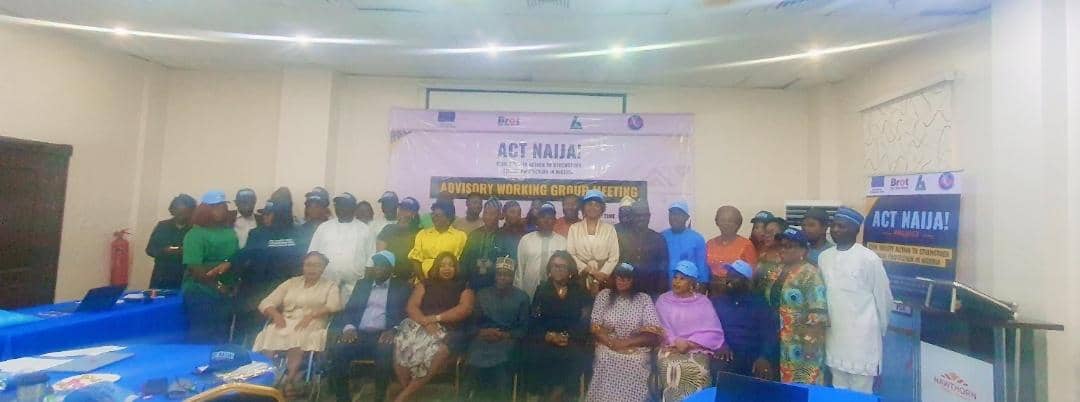
Stakeholders in Nigeria’s social protection sector have reaffirmed their commitment to strengthening coordination, accountability and inclusion in the country’s social protection system.
They noted this on Thursday during the Second ACT Naija multi-stakeholder briefing session and national advisory working group meeting in Abuja.
The meeting, which brought together representatives of the federal government, state governments, the European Union, civil society organisations, development partners, the media, organisations of persons with disabilities and other stakeholders, focused on reviewing progress under the ACT Naija Project and identifying practical strategies for improving social protection delivery across Nigeria.
The Minister of Humanitarian Affairs and Poverty Reduction, Dr Bernard M. Doro, represented by the deputy director, Garba Magaji, reaffirmed its commitment to the One Humanitarian–One Poverty Reduction Response System (OHOPRS).
He explained that the initiative was designed to improve coordination among humanitarian interventions, poverty reduction programmes and social protection initiatives.
He noted that reducing fragmentation, strengthening institutional partnerships and promoting evidence-based interventions would ensure that support reaches vulnerable and underserved Nigerians more effectively.
He also commended the ACT Naija Project for promoting inclusive participation, accountability, peer learning and policy dialogue in line with the Federal Government’s Renewed Hope Agenda.
Also, the Programme Manager European Union (EU), Chioma Osuji, described social protection as a critical investment in human dignity, resilience, social cohesion and inclusive development.
She acknowledged the progress already made by both federal and state governments but noted that weak coordination mechanisms, fragmented implementation, limited information sharing and insufficient collaboration between federal and sub-national actors continue to affect programme effectiveness.
She stressed that the briefing session provides an important platform to address these challenges by strengthening accountability, promoting peer learning and enhancing coordination among stakeholders.
Osuji urged participants to focus on practical recommendations that would translate policy discussions into measurable improvements in the lives of vulnerable Nigerians.
Also, the executive director of the Africa Network for Environment and Economic Justice (ANEEJ), Rev David Ugolor, welcomed participants and highlighted the achievements recorded since the inaugural National Advisory Working Group Meeting in November 2025.
According to him, the ACT Naija Project has made significant progress across the seven implementing states and the Federal Capital Territory through extensive community engagement, policy advocacy and capacity-building for civil society organisations involved in monitoring cash transfer programmes.
He noted that the project has strengthened citizens’ participation in monitoring social protection interventions, generated valuable evidence to inform policy reforms and improved engagement between communities and implementing institutions.
Rev Ugolor described the National Advisory Working Group as a strategic platform for providing policy guidance, strengthening stakeholder coordination and ensuring that evidence generated by the project contributes to improved governance of Nigeria’s social protection system.
Participants agreed that stronger coordination among government institutions, civil society, development partners and other stakeholders remains essential for building an inclusive, transparent and accountable social protection system capable of responding effectively to the needs of vulnerable citizens.
The meeting also highlighted the importance of sustained collaboration, regular dialogue, improved information sharing, stronger monitoring mechanisms and meaningful citizen participation in achieving lasting reforms.