

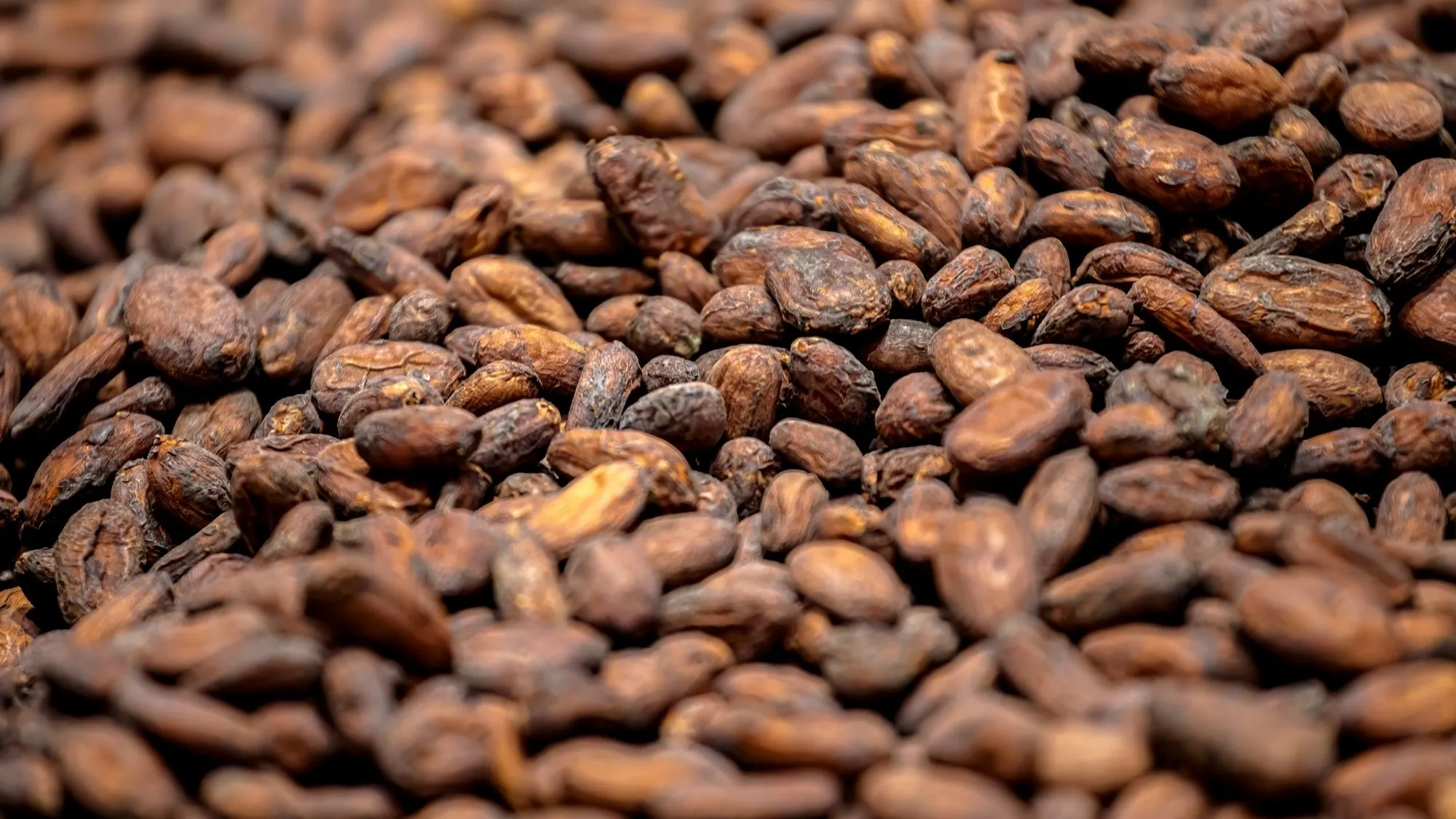
Chocolate has gotten a lot more expensive in recent years, thanks in large part to a global cocoa shortage driven by climate change, unpredictable weather, crop diseases, and the unstable economics (and, frankly, stress) of growing one of the world’s favorite snacks. Thankfully, researchers publishing in the journal PLOS One have identified four previously unknown genetic varieties of Peruvian cacao, a discovery that could help diversify cocoa production and ensure that chocolate has a future.
Modern agriculture is a bit stupid in that the entire industry at all levels has a habit of putting all its eggs in one basket. Farmers often rely on a small number of high-yield varieties because they’re profitable. The problem is that this makes crops vulnerable to disease and extreme weather, which will all be exacerbated by our rapidly warming planet.
Genetic diversity is important in all walks of life, and especially so for the crops we eat, so researchers analyzed the DNA of 390 wild and semi-wild cocoa trees grown on indigenous farms across Peru. Peru, of course, is the world’s eighth-largest cocoa producer and one of the crop’s original homes.
The Future of Chocolate May Depend on 4 Newly Discovered Types of Cacao
They found four previously unknown genetic lineages of cocoa. Before this, the common belief was that there were only 10 major groups. The cocoa family tree has suddenly expanded, and rapidly.
The good news for chocolate lovers is that two of the newly identified lineages seem primed to be a hit among chocolate producers, since their ancestry suggests they could produce flavorful beans. On top of that, scientifically speaking, this new diversity gives breeders more genetic options to develop cocoa trees that can better withstand disease and our oncoming climate crisis.
One of the most incredible parts of the story is that these new lineages weren’t discovered after researchers had to hack their way into the heart of a dense jungle. The trees were just there, hanging out, on small indigenous farms across Peru, just waiting for someone to recognize their importance. As for this discovery, we may not need to invent anything new to save the future of chocolate.
Why bother when it turns out we’ve already got plenty of viable alternatives?