

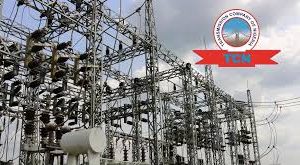
Critical infrastructures like powerlines have constantly come under attacks. In Ebonyi state, TCN is addressing the menace as Blueprint.ng correspondent reports.
In many rural communities across Nigeria, giant electricity transmission towers are often seen as ordinary steel structures standing quietly across farmlands, forests and settlements. Yet, behind those towering installations lie one of the country’s most critical national assets, the backbone of electricity transmission powering homes, industries and public institutions.
Today however, that backbone faces an increasing threat from vandals, illegal activities and public ignorance, forcing the Transmission Company of Nigeria (TCN) to intensify campaigns aimed at protecting the nation’s fragile power infrastructure.
The sensitisation campaign
That reality came into focus during a recent sensitisation programme organised by TCN at Ezza Umuhuali Town Hall in Ishielu local government area of Ebonyi state where community leaders, youths, traditional rulers, security operatives and residents gathered to discuss the growing danger posed by attacks on transmission facilities.
For TCN officials, the meeting was not merely another public awareness exercise. It was an urgent intervention aimed at preventing future disasters capable of plunging communities and even entire regions into darkness.
Speaking during the event, the general manager, Transmission, Enugu region, Dr Thomas Inugonum warned that vandalism of transmission infrastructure has become a serious national concern with devastating economic and social consequences.
According to him, criminal activities targeting 330kV and 132kV installations have continued to threaten stable electricity supply across the country. He identified common dangers to transmission facilities to include dismantling of tower components, illegal construction under transmission lines, excavation around tower foundations and bush burning near tower bases.
Beyond damaging infrastructure, he explained that such activities expose residents to severe safety risks, including electrocution and possible collapse of transmission towers.
Recalling previous vandalisms
To demonstrate the seriousness of the threat, Inugonum recalled the July 2025 incident in Ezillo where an alleged vandal died instantly after being electrocuted while attempting to dismantle Tower 34 along the Nkalagu-Abakaliki 132kV transmission line.
The tragic incident, according to TCN officials, highlighted both the desperation of vandals and the deadly risks associated with tampering with high-voltage installations.
Another incident occurred on May 9, 2026, when local vigilantes and youths in Ezza Umuhuali apprehended two suspected vandals accused of removing transmission tower members from critical installations along the Nkalagu-Abakaliki line.
For many residents, the arrests underscored the growing importance of community participation in safeguarding public assets.
Electricity experts say attacks on transmission infrastructure remain one of the major contributors to unstable electricity supply in Nigeria.
Whenever towers are damaged or transmission lines collapse, entire communities, businesses and industries suffer prolonged blackouts, often resulting in heavy economic losses.
TCN disclosed that replacing damaged transmission towers is extremely expensive, noting that each tower costs approximately $330,000 to procure and install because they are imported into the country.
Officials lamented that vandals often destroy facilities worth millions of naira only to sell stolen components cheaply to scrap dealers, thereby sabotaging national development for short-term gains.
The agency further warned residents against erecting houses, markets and shops under transmission lines, stressing that such actions violate established right-of-way regulations and expose occupants to life-threatening dangers.
According to TCN, the statutory right-of-way for a 132kV transmission line extends 15 metres on either side of the line, while that of a 330kV line extends 25 metres on both sides.
In many parts of Nigeria, however, rapid urbanisation and poor enforcement of regulations have led to increasing encroachment on transmission corridors.
The sensitisation programme also highlighted the role communities can play in addressing the menace.
A traditional ruler speaks
The traditional ruler of Ezza Umuhuali Autonomous Community, HRH Eze Patrick Nwafor Udoku, described the engagement as timely and necessary.
The monarch, who identified himself as an electrical engineer with experience around high-voltage facilities, said many residents were unaware of the dangers associated with transmission infrastructure.
He commended TCN for prioritising public safety and pledged the support of the community in protecting installations within the area.
Similarly, the president general of Ezza Umuhuali Town Union, Chief Solomon Nweke described vandalism as economic sabotage capable of endangering lives and crippling development.
He credited the success recorded in apprehending suspected vandals to the vigilance of local security groups and community collaboration.
Across Nigeria, concerns over attacks on public infrastructure continue to grow as criminal networks increasingly target electricity installations for scrap materials and illegal metal trade.
Analysts believe that beyond security enforcement, sustained public enlightenment and stronger collaboration between government agencies and host communities remain essential to addressing the problem.
For communities like Ezza Umuhuali, Ezillo and Nkalagu, the message from TCN was the need to protect transmission infrastructure is not solely the responsibility of government but a collective duty tied directly to public safety, economic growth and national development.
As residents pledged support for the campaign, hopes remain that stronger community vigilance and sustained awareness would help protect Nigeria’s already fragile electricity network from further destruction.