
Pressure mounts on marketers as Nigerians demand lower fuel prices amid falling global oil costs

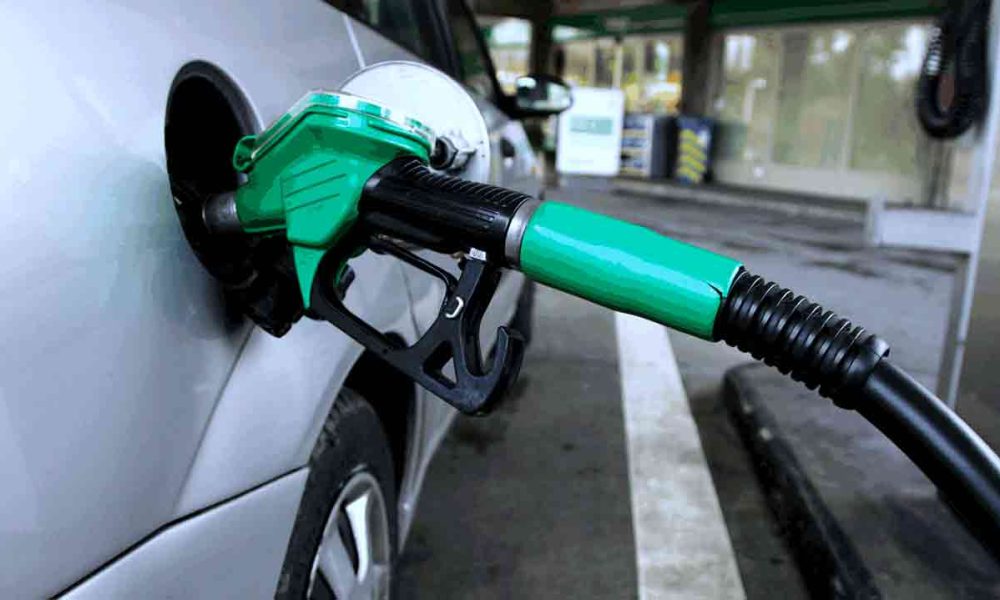
Calls for a reduction in petrol prices are growing across Nigeria following a sharp decline in global crude oil prices, with the Federal Government, consumer protection agencies and motorists urging marketers to pass on the benefits of lower international oil prices to consumers.
The pressure comes after global crude oil prices fell from highs of about $120 per barrel to the low $70 range following easing geopolitical tensions in the Middle East. Despite the decline, pump prices of Premium Motor Spirit (PMS) have remained largely unchanged at many filling stations nationwide.
The development has sparked concerns among consumers, who argue that fuel prices rise quickly whenever crude oil prices increase but take much longer to fall when international prices decline.
Industry analysts say the situation reflects one of the early challenges of Nigeria’s deregulated downstream petroleum sector under the Petroleum Industry Act (PIA), where market forces—not government subsidies—are expected to determine fuel prices.
Responding to growing public concerns, the Federal Government has warned marketers against exploiting deregulation to maintain excessive profit margins.
Speaking at a midstream and downstream legal forum in Abuja, the Minister of State for Petroleum Resources (Oil), Sen. Heineken Lokpobiri, said the recent decline in global crude prices should be reflected in domestic fuel prices.
“Following the de-escalation of international tensions, we expected to see a commensurate downward adjustment in the prices of PMS and other petroleum products. Deregulation must not become a licence for profiteering,” he said.
The Federal Competition and Consumer Protection Commission (FCCPC) also cautioned petroleum marketers and depot operators against unjustified price retention, saying its monitoring had shown only limited transmission of lower crude prices to retail consumers.
The commission warned that businesses found engaging in practices that unfairly exploit consumers could face regulatory sanctions.
However, operators in the downstream sector insist that fuel prices cannot immediately mirror fluctuations in global crude markets.
The Independent Petroleum Marketers Association of Nigeria (IPMAN) and domestic refiners explained that petroleum products currently being sold were produced from crude oil purchased weeks earlier at significantly higher prices.
They noted that refining, transportation and distribution involve procurement cycles that create a lag between movements in international crude prices and adjustments at retail outlets.
The situation is reflected in the operations of the Dangote Petroleum Refinery, which has announced four consecutive reductions in its ex-depot petrol price within a month, bringing the gantry price down to ₦1,075 per litre.
According to the refinery, the reductions have been implemented gradually because a substantial volume of crude processed during the period was purchased when international prices averaged between about $95 and $125 per barrel.
Industry stakeholders say this gradual adjustment is intended to protect supply stability and avoid sudden disruptions in the downstream market.
Meanwhile, another debate has emerged over the pricing of imported petroleum products.
The Petroleum Products Retail Outlets Owners Association of Nigeria (PETROAN) has observed that imported refined fuel is, in some cases, arriving at lower prices than locally refined products, prompting calls for greater import flexibility to encourage competition and reduce retail prices.
Economic analysts also note that exchange rate volatility continues to play a significant role in determining domestic fuel prices. They argue that while falling crude prices create room for lower pump prices, the extent of any reduction will depend largely on the stability of the naira and the overall cost of importing petroleum products.
As Nigeria continues its transition to a fully deregulated petroleum market, regulators face the challenge of balancing consumer protection with the need to maintain investor confidence in the country’s refining and fuel distribution sectors.
Stakeholders say sustained transparency, healthy market competition and stable macroeconomic conditions will be essential to ensuring that the benefits of lower global oil prices are eventually reflected at filling stations across the country.