
Oil giants to gain ‘billions’ from Iran war — but won’t ramp up drilling despite Trump’s insistence

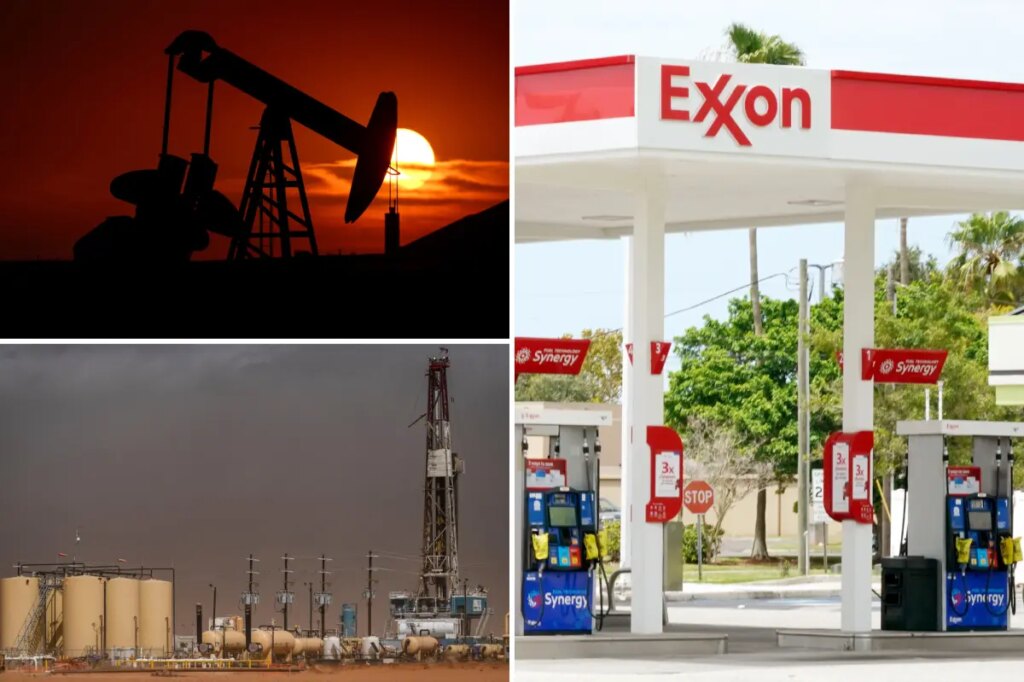
The US energy industry is bracing for a huge windfall from the Iran war, but oil majors aren’t planning to ramp up drilling – even as the Trump administration pushes them to lower gasoline costs.
President Trump has repeatedly pressured American energy giants to “Drill, baby drill!” and recently threatened to investigate the industry for price-gouging as Americans feel pain at the pump – a concern for Republicans ahead of the midterms.
But oil majors are reluctant to build out more rigs and wells, resisting White House pressure as they claim their bumper profits are just a temporary boost.
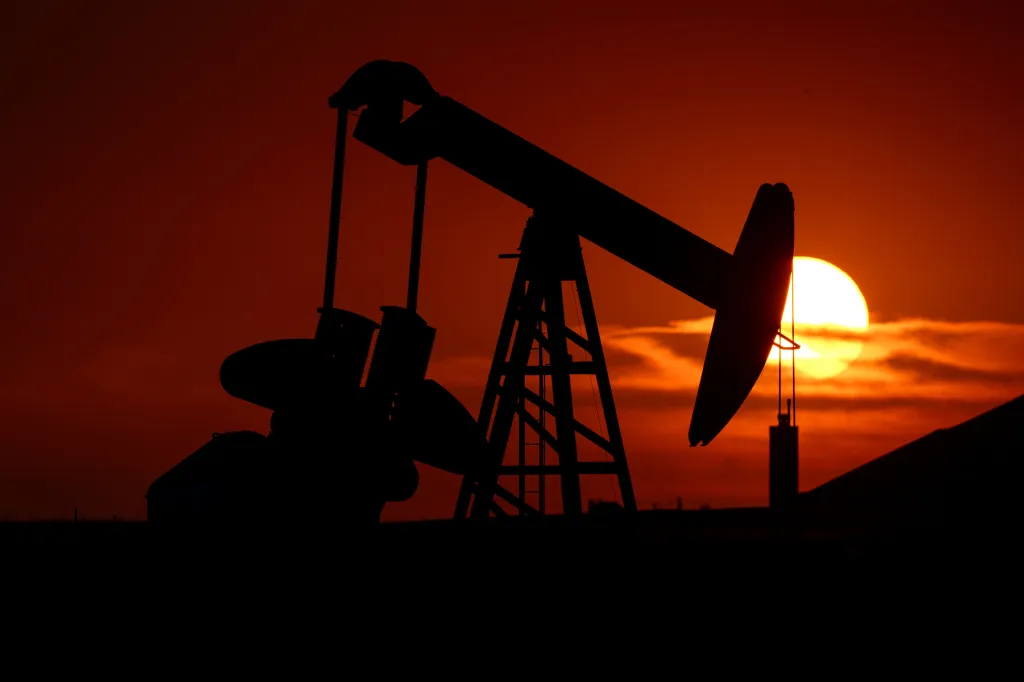
“I think the industry is strong,” Joe Adamski, managing director of ProcureAbility, a supply chain consultancy, told The Post. “We are sitting at a very good position compared to the rest of the world … [but] oil companies are looking at it and saying this is a blip on the radar.”
In a preview of its second-quarter earnings, Exxon Mobil said this week it could see a $5 billion jump in profits – pushing adjusted earnings to $15.7 billion, or triple the previous quarter.
Experts said Chevron and Shell are also expected to report blowout second-quarter earnings later this month, similar to their first-quarter results – which came in 45% and 37% higher than expected, respectively.
“It’s going to be extra billions of dollars, as we saw with Exxon Mobil,” Jeff Krimmel, founder of Krimmel Strategy Group, told The Post. “It’ll be a multibillion gain across the industry just based on all the disruptions that continue to exist that really peaked toward the end of the second quarter.”
Big markups
The huge windfall for US oil majors comes as attacks on vessels and airstrikes in the Middle East have largely choked off the Strait of Hormuz, a vital maritime route for 20% of the world’s oil. That has sent demand skyrocketing for alternatives like US crude, which peaked above $110 a barrel in April.
Markups on US crude jumped to an all-time high – as much as an extra $30 to $40 a barrel – as Asian and European refiners competed for the limited supply while scrambling to replace Middle Eastern oil stuck in the strait.
As of Friday, US crude oil futures traded at $71.25 a barrel while Brent crude hit $75.61 – set to end the week higher after Trump said the ceasefire with Iran was “over” and military strikes near the Persian Gulf again derailed traffic through the strait.
Trump has been pushing for more fossil fuel output, repeatedly urging companies to expand drilling operations and declaring a national energy emergency on the first day of his second term in January 2025.
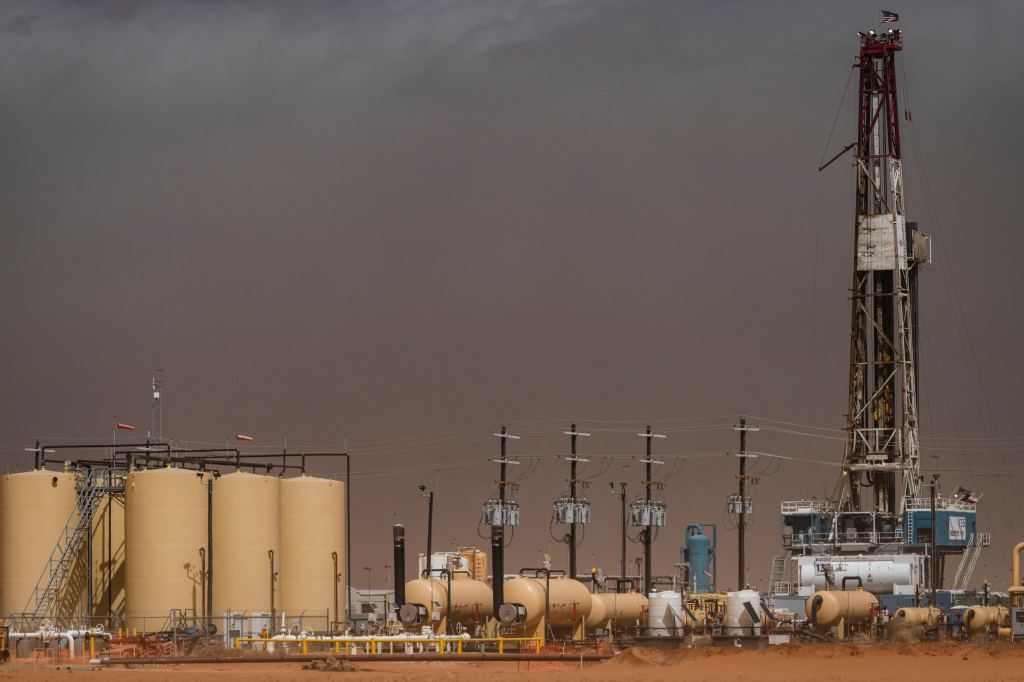
Last year, the Interior Department issued an aggressive proposal to expand offshore drilling near Florida and along the entire California coastline – fueling fierce pushback from local politicians fearful of oil spills.
In March, the Trump administration exempted drilling in the Gulf of America from the Endangered Species Act, citing “national security” concerns about oil supplies amid the war in Iran. Conservationists have decried the move, citing a risk to wildlife, particularly endangered whales.
Despite the policy changes, oil majors have been reluctant to spend their profits on building out more rigs and wells, as they expect demand to normalize quickly once the war ends unless there is severe lasting damage.
In a worst-case scenario for the oil industry, OPEC – the world’s most powerful oil cartel – could fall apart, and dominant Saudi Arabia could ramp up its energy production too far for others to compete, potentially sending oil as low as $40 a barrel, according to a CNN report.
Efficiencies, not new drilling
US giants’ stance does not mean production has been slowing. US crude oil production hit a new record in 2025 of 13.6 million barrels per day according to the US Energy Information Administration. By comparison, the entirety of Europe, excluding Russia, reportedly produced about 4 million barrels per day – or less than 4% of the global share.
However, it was efficiencies like better equipment and technology – not extra drilling – that helped boost production last year, according to Krimmel.
The number of active rigs and wells that were drilled in the US actually dipped, according to the EIA.
“We saw oil prices get above $90, even $100 temporarily during this war, and there was no huge rush to add rigs, to add production,” Krimmel said. “We already had a production surplus going into the war. A lot of analysts are expecting to reapproach that surplus as these flows normalize now.”
In May, Exxon Mobil and Chevron said that despite the Iran war, they did not intend to drill much more oil than initially planned.
Adamski said fears of political blowback are also likely keeping oil majors from building out new rigs, an expensive process that can take years and face opposition from environmentalists.
“They are sensitive to being in a political storm, that they would have a target on their back and Congress will start talking again about windfall profit taxes and things like that,” Adamski said.
“So they want to avoid putting in the appearance that they are taking advantage of this, so instead they’re doing share buybacks, they are paying down debt. They’re doing things like that.”
Pain at the pump
But oil majors’ massive profits could draw scrutiny as the war in Iran eats into wallets, costing Americans roughly $1,000 per household in higher fuel, food and other expenses, according to economist Mark Zandi.
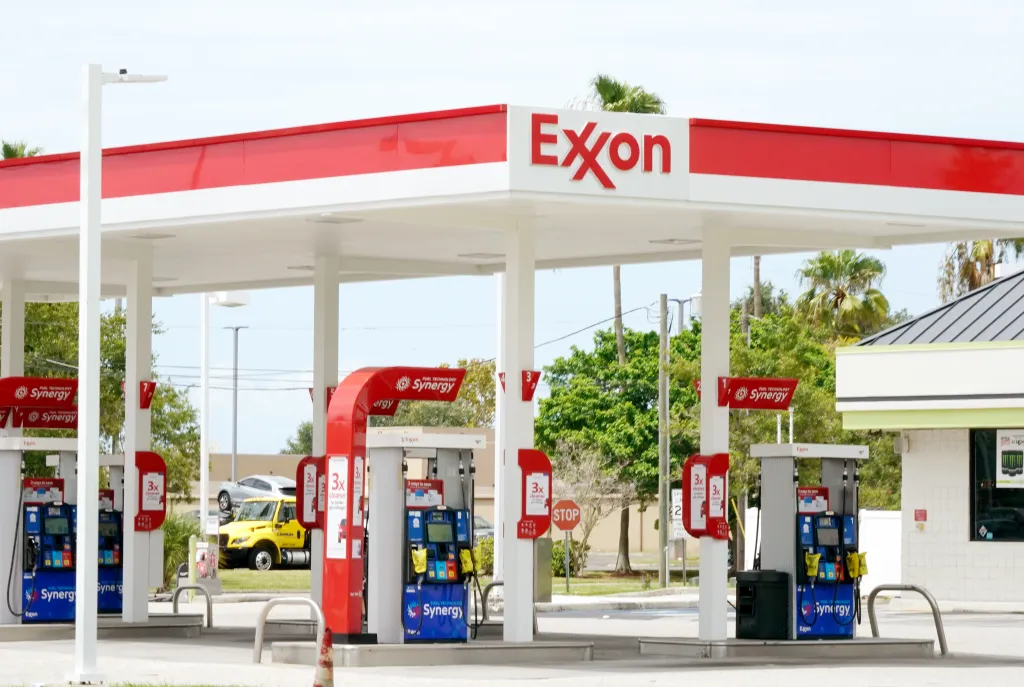
Trump has been eager to lower gasoline prices ahead of the November midterms, most recently heralding a new chain of gas stations on social media that are selling gas for $3.479 a gallon – well below market prices and wholesale costs.
The White House said these “Freedom Fuel” stations, which are mostly located near Philadelphia and in southern New Jersey, are run by a private company with no government support. It is unclear who is running the stations and for how long.
Last week, the Department of Justice asked state attorneys general to investigate potential antitrust violations by energy giants – after Trump accused them of price-gouging.
“I have instructed the DOJ to immediately start looking into this. Gasoline prices better start going down a lot faster than what I’m seeing!” the president wrote in a Truth Social post in June.
Gas has been slower to come down than oil, hitting $3.88 a gallon Friday after peaking at $4.56 this spring, according to AAA – but experts said that is a normal reaction since there is typically a lag between gasoline and oil prices.
“It really is just politics. The public gets angry when gas prices go up, and politicians need to be seen as being responsive to that anchor,” Krimmel told The Post.
“That’s about the extent of the action that you’ll see out of the federal government…There is zero indication that anything nefarious is happening there.”