
Oakland mayor ripped over $60M sweetheart stadium deal — as crumbling ex-Raiders home loses final team

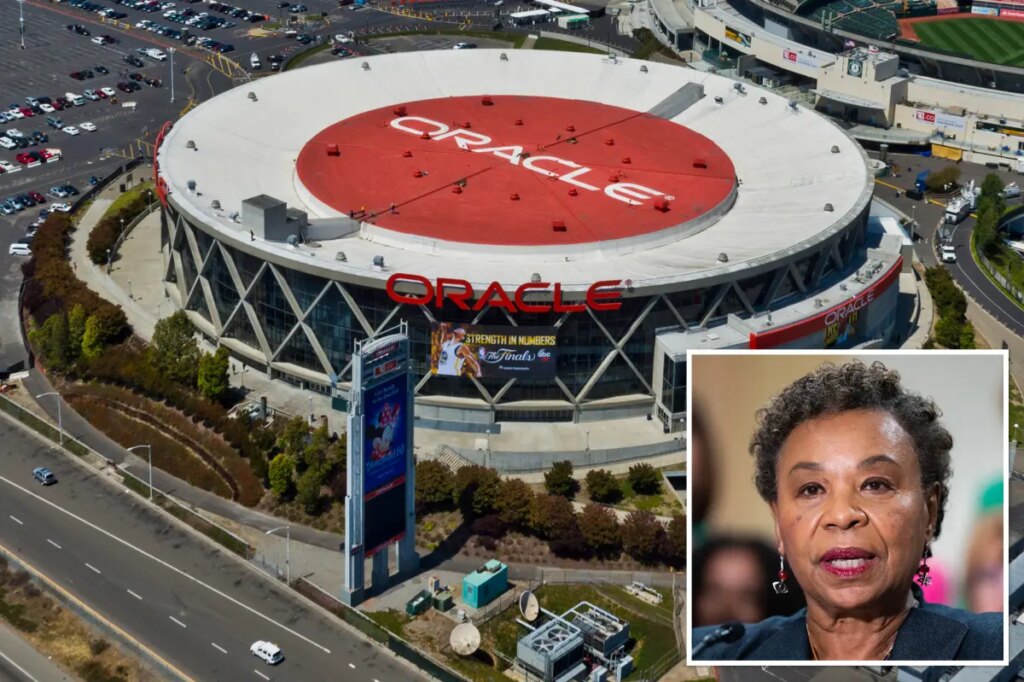
Oakland lawmakers on Monday advanced a controversial deal to unload the city’s stake in the decaying Coliseum — despite the buyer previously missing a key payment deadline and documents newly obtained by The Post revealing a competing bid from the Oakland Arena’s longtime operator.
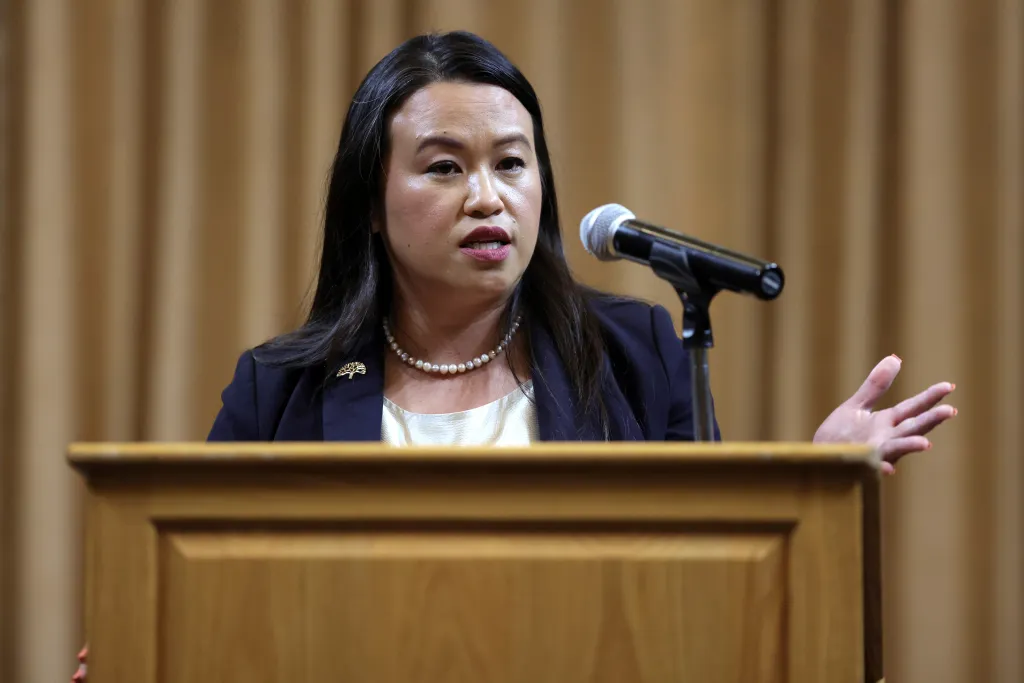
The revised agreement, which heads to a final City Council vote next week, would keep alive a transaction first brokered under ex-Mayor Sheng Thao, who was criminally indicted on bribery and corruption charges.
It comes as the once-proud sports complex, which includes the Arena, has been hollowed out by the departures of the Warriors, Raiders and Athletics — and now even the Oakland Roots soccer club is preparing to ditch the aging stadium after its second Coliseum season.
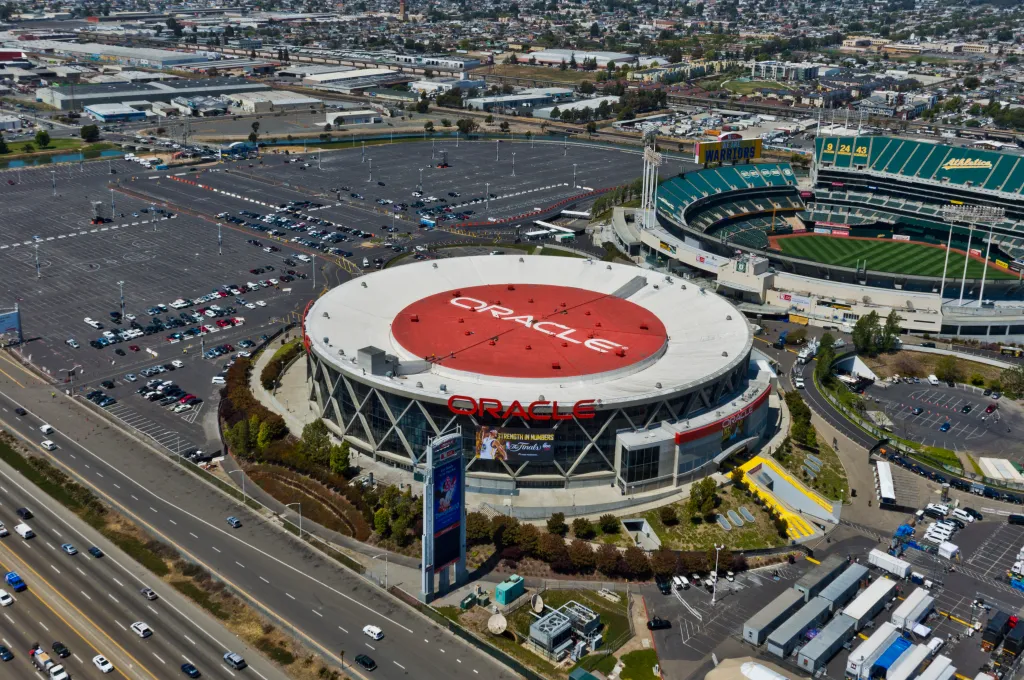
Yet instead of abandoning the deal after the buyer missed its original payment deadline, Oakland is preparing to seller-finance $60 million of the purchase at a 5% interest rate to keep the troubled transaction alive.
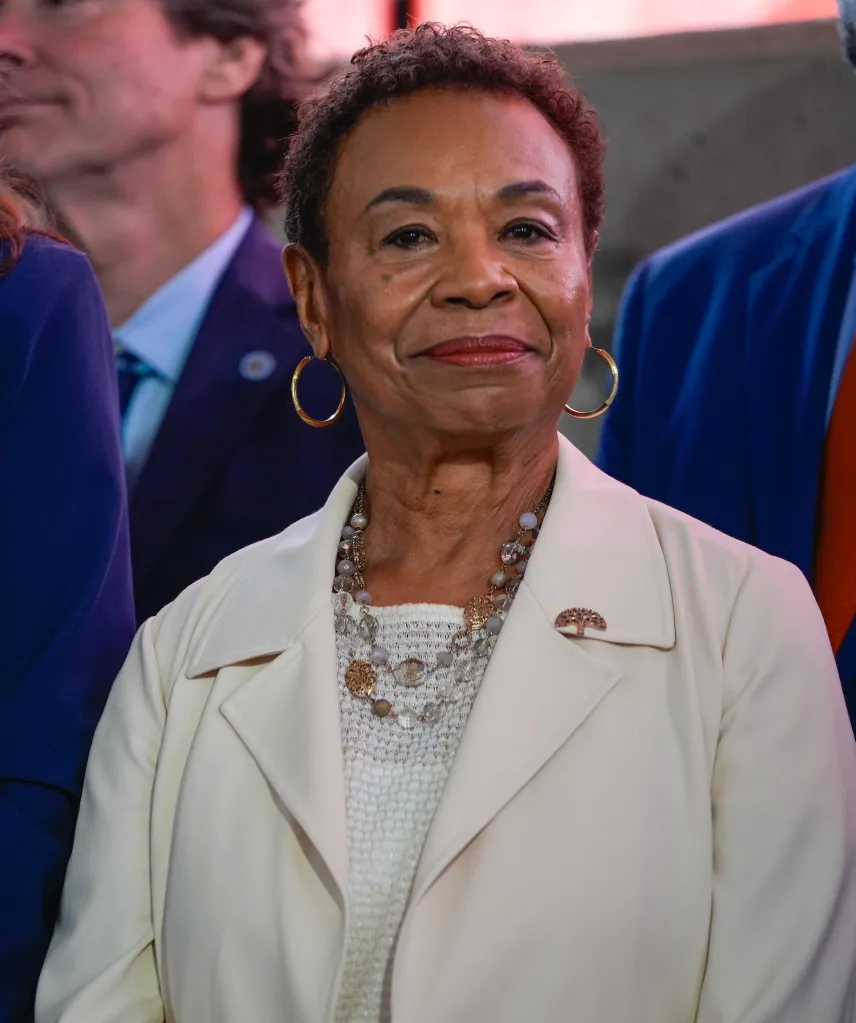
Critics blasted the proposal Monday, accusing Mayor Barbara Lee and City Council members of doubling down on a bad deal that has only grown more unusual since it was first unveiled under Thao.
“This demonstrates an absolute abdication of leadership by the sitting mayor and members of the City Council,” a former Oakland city official now involved in development projects told The Post.
The deal centers on Oakland’s 50% ownership interest in the 112-acre Coliseum complex, which it jointly owns with Alameda County. Redevelopment has long been complicated by the split ownership, prompting city officials to pursue a buyer capable of assembling control of the entire property.
The City Council first authorized exclusive negotiations with developer Ray Bobbitt’s African American Sports and Entertainment Group in 2021, before approving the sale in June 2024 under Thao. Oakland later entered into a purchase agreement with Oakland Acquisition Co., an AASEG affiliate, and subsequently increased the total purchase price to $125 million while restructuring the payment schedule.
After Oakland Acquisition Co. failed to make a scheduled payment, the city delayed the closing last year to allow the buyer additional time to complete a simultaneous acquisition of both Oakland’s and Alameda County’s ownership interests. A resolution authored last year noted that payments would not be required to keep the deal in place.
Instead of terminating the agreement, the latest amendment would preserve the $125 million purchase price while selling the roughly 9-acre Arena parcel for $50 million and seller-financing the remaining 103-acre stadium parcel for $60 million at 5% interest. The city says the revised structure would also relieve it of ongoing ownership costs while creating a new share of future ticket revenue. The first payment on the seller-financed portion could be deferred until 2032.
Kevin Jenkins, president of the City Council, defended the deal in a phone interview with The Post.
“It’s a good deal because we get the property in the hands of one owner,” he said. “The city goes out of the business of losing $6 million a year and we also have a ticket surcharge of 6% on each ticket sold.”
Jenkins added, “At a minimum that will be $3 million cash positive into the city’s general fund every single year.”
Documents obtained by The Post show Oakland officials turned down a competing proposal from the arena’s longtime operator.
On June 16, Legends Global — which has managed Oakland Arena since 2012 — submitted a proposal for a transaction valued at $102.5 million to purchase the arena and its roughly 8.5-acre site, consisting of cash plus the assumption of deferred capital repair obligations.
The proposal also offered the city and county 10% of future exterior digital advertising revenue after installation costs were recovered and said the company could complete due diligence in just 30 days because of its familiarity with the property.
As a fallback, Legends proposed extending its management agreement for five years while contributing $5 million toward capital improvements at the Arena and Coliseum.
Sean Reinhart, managing editor of Oakland Report, said the contrast between the two proposals raises questions.
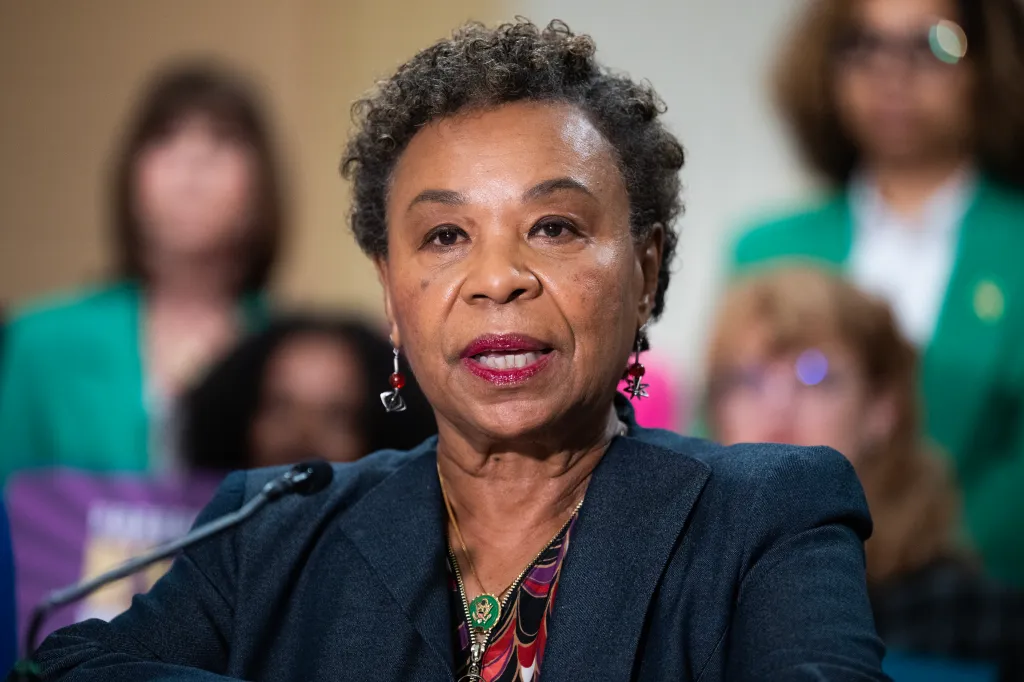
“The city seems unable or unwilling to walk away from the deal, no matter how bad it gets,” Reinhart said. “Based on the public records we have so far and what the city data show, they’re bending over backwards into pretzels to make this deal work.”
Reviewing the Legends proposal, Reinhart said it appeared to offer a credible alternative.
“I’m not a real estate expert, but I’m looking at Legends’ proposal, and it looks pretty reasonable. It looks like they thought of all the things to think of in a proposal like this,” he said.
“They are the arena operator, and they’re offering cash.”
The former city official questioned why Oakland continued restructuring the Bobbitt deal rather than taking a fresh look at competing proposals.
“For all the time that this process has been going on, there have been a lot of press conferences and a lot of talk, but there has been no meat and potatoes, no diligence demonstrated,” the former official said.
“Now, to see the structure basically being an installment sale, which is really controlled by municipal financing, that raises some serious questions.”
Download The California Post App, follow us on social, and subscribe to our newsletters
California Post News: Facebook, Instagram, TikTok, X, YouTube, WhatsApp, LinkedIn California Post Sports Facebook, Instagram, TikTok, YouTube, X California Post Opinion California Post Newsletters: Sign up here! California Post App: Download here! Home delivery: Sign up here!Page Six Hollywood: Sign up here!
The official added that the financing package bears little resemblance to how city leaders originally pitched the transaction.
“I think it’s highly unusual considering how this was billed as money to solve the city’s budget situation,” the former official said.
The source also questioned how the competing proposal was handled, saying: “The city has a well-established history of not being good at record keeping.”
The Coliseum sale was approved under Thao in June 2024. Less than a month later, FBI agents raided her home as part of a federal corruption investigation. Six days after the raid, the City Council approved the ordinance implementing the sale.
Thao was later recalled by voters and indicted on unrelated federal bribery, conspiracy and honest-services fraud charges. Prosecutors have never alleged wrongdoing in connection with the Coliseum transaction, and Thao has pleaded not guilty.
Lee’s office declined to comment, but Sean Maher — a spokesperson for the City Administrator’s Office — told The Post in an email that the city had an exclusive negotiations with Oakland Acquisition Co., and all parties expressing interest to the city were referred to that organization.
“The Arena sale is a cash deal under which the City will be paid $50 million at closing,” Maher wrote.
The reworked agreement for the Coliseum, which in recent years has been haunted by feral cats, is scheduled to return to the City Council for a final vote on July 21.