

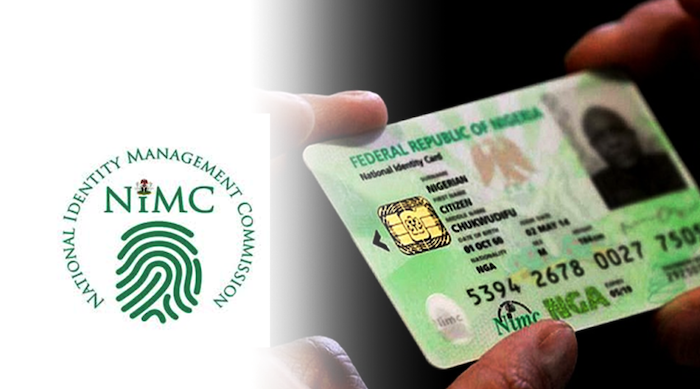
The National Identity Management Commission (NIMC) has assumed responsibility as Nigeria’s designated certification authority for electronic signatures, a move expected to strengthen the security of digital transactions and deepen the federal government’s digital transformation agenda.
Director-General of NIMC, Engr. Abisoye Coker-Odusote, disclosed this on Wednesday in Abuja, saying recent legislation had expanded the commission’s mandate beyond identity management to include digital trust services and authentication.
She said the new role would provide the legal and technical framework for trusted electronic signatures, reduce identity fraud, strengthen cybersecurity and improve confidence in digital transactions across both the public and private sectors.
Coker-Odusote described digital identity as the backbone of digital governance, warning that countries without robust digital public infrastructure would continue to face inefficiencies in public service delivery, financial vulnerabilities and digital exclusion.
She added that a trusted digital identity ecosystem would strengthen social intervention programmes, improve service delivery, enhance investor confidence and support security agencies in tackling cybercrime and financial crimes.
Calling for stronger collaboration among government institutions, financial institutions, telecommunications operators and the private sector, she said public trust would determine the success of Nigeria’s digital economy.
Speaking at the summit, President of the Information Technology Association of Nigeria (ITAN), Dr. Lare Emmanuel Ayoola, said wider deployment of digital technologies across ministries, departments and agencies could drastically reduce the time required to process government services while improving efficiency and transparency.
Folalumi Alaran
Follow us on: