

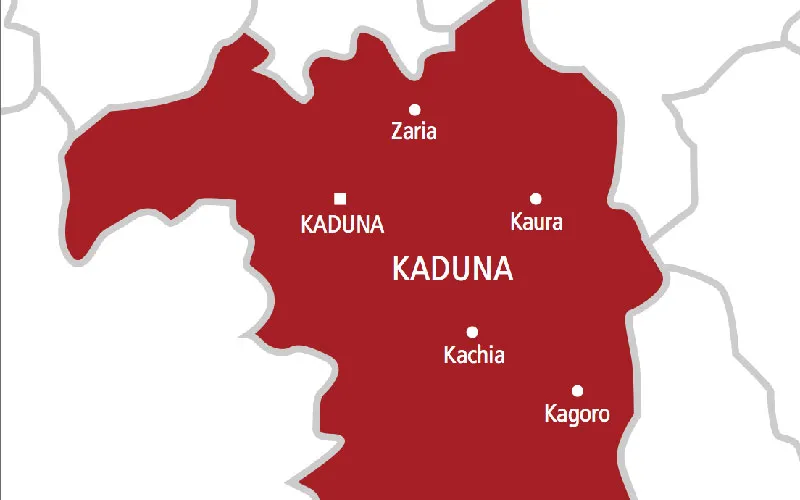

The Kaduna state government and its development partners have intensified efforts to return 100,000 out-of-school children to classrooms through the Reaching Out-of-School Children (ROOSC) project.
Country Director of Save the Children International in Nigeria, Mr Duncan Harvey, stated this in Kaduna during a media briefing ahead of the public presentation of the Kaduna State Out-of-School Children Mapping Report.
He stated that the target would be achieved through sustained collaboration between the state government, development partners and host communities.
He said the ROOSC project is being implemented in partnership with the Education Above All Foundation, Kuwait Fund, Qatar Fund for Development, Islamic Development Bank and the Global Partnership for Education, with Save the Children working alongside the Kaduna state government to improve access to quality education.
He said: “The partners are implementing complementary interventions, including school construction, teacher development, community mobilization, child protection and inclusive education.”
He described the recently concluded mapping exercise as a major milestone, saying it provides reliable data on the location of out-of-school children and the factors responsible for keeping them away from school.
“The mapping has given us credible evidence to target interventions where they are most needed. It will enable the government and partners to enrol more children, retain them in school and improve learning outcomes,” Harvey said.
The ROOSC project coordinator, Mr Ezra Angai, said the initiative goes beyond school enrolment by supporting school infrastructure, teacher capacity development, community engagement and monitoring systems to prevent children from dropping out.
He said the project had already exceeded its first-year enrollment target through intensive community mobilisation and household sensitization.
Also speaking, the Kaduna State Statistician-General, Dr Bukar Baba Alhaji, said the statewide mapping covered 363,319 households across the 23 local government areas and identified 187,719 out-of-school children.
He attributed the situation largely to poverty, insecurity and other socio-economic challenges, adding that the findings would guide targeted interventions by government and development partners.
Director of Planning, Research and Statistics in the Ministry of Education, Mallam Baba Lawal, said the report would support evidence-based planning and ensure interventions are tailored to the specific needs of affected communities.