
Just In: FG Defends Lagos-Calabar Coastal Highway, Blames Residents’ Waste Disposal for Recent Floods

By Omoyeni Ojeifo
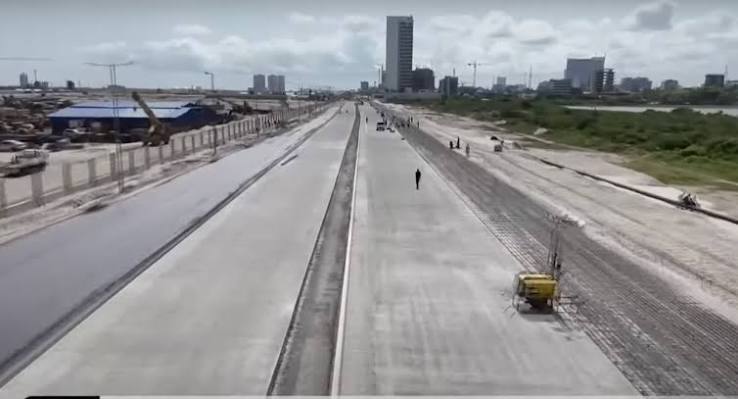
Amid rising floods in Lagos, the Federal Government is pushing back against claims that President Bola Tinubu’s signature Lagos-Calabar Coastal Highway project is fueling recent floods in the mega city.
According to Works Minister Sen. David Umahi, the massive infrastructure project is actually lowering flood risks, creating jobs, and driving economic growth.
The top government official, instead, point the finger at residents, accusing them of clogging vital drainage systems, manholes, and culverts with trash.
“There is a very high level of unpatriotic tendencies among residents. There is so much sabotage. People are blocking the manholes, blocking the culverts and dumping refuse into them.
“You cannot eat your cake and have it back,” Umahi said on Tuesday morning during an interview on Arise TV monitored by Persecondnews, where he defended the design of the Lagos-Calabar Coastal Highway.
He dismissed allegations that the project was responsible for flooding in parts of Lagos, giving updates on ongoing construction across several sections of the highway and highlighted its economic benefits.
He said the Federal Government incorporated multiple culverts and flood evacuation channels into the highway’s design to improve water flow and reduce the impact of flooding.
According to the minister, residents also contribute to flooding by erecting structures on natural water channels and obstructing drainage infrastructure.
“It is up to the residents to understand that when you build on water channels, block manholes and dump refuse into the drainage system, you are contributing to the flooding.”
Umahi said the coastal highway was designed to prevent ocean water from flowing into nearby communities while allowing floodwater to pass through a network of culverts into the lagoon.
“The coastal highway has done two things: it has prevented ocean water from flowing into residential areas, and it has introduced multiple culverts and evacuation channels to move floodwater into the lagoon.”
He maintained that flooding along the corridor predated the construction of the highway as the state has been experiencing decades of flooding.
“When you look at the corridor before the construction of the coastal highway, you will see flooding. Flooding existed before the project,” Persecondnews quotes him as saying.
Umahi said more than 70 per cent of the Lagos-Calabar Coastal Highway corridor has been procured.
According to the minister, construction is progressing across sections in Lagos, Ogun, Ondo, Akwa Ibom and Cross River states, while the remaining sections in Edo, Delta, Bayelsa and Rivers states are yet to be procured.
He said the ongoing projects were already creating employment opportunities and boosting economic activities in host communities.
“These legacy projects are creating over 100,000 jobs. Go to the sites and you will see people selling food, sand, stone and other local materials. They are all benefiting through local content.”
Speaking on the economy, the minister said the Tinubu administration inherited decades of structural challenges that could not be resolved within three years.
“When you are healing a wound, you don’t expect the wound to heal overnight. Nigerians cannot expect all the wrongs of over 60 years to be addressed within three years.”
Umahi reiterated that the Lagos-Calabar Coastal Highway and other legacy road projects are intended to improve connectivity, stimulate economic activities and support national development.
He expressed confidence that the long-term benefits of the projects would outweigh the challenges associated with their execution as construction progresses across the country.