

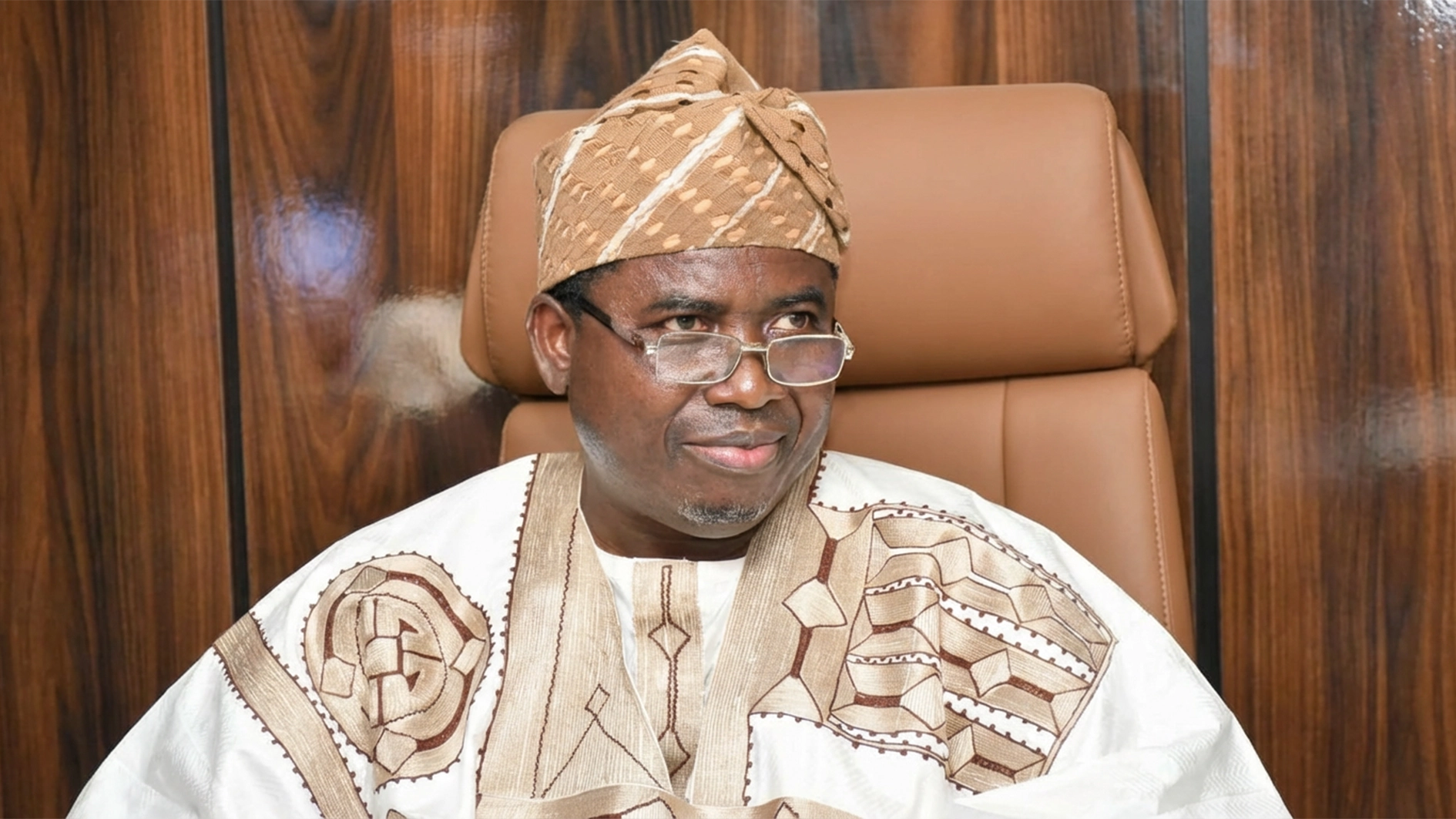
The Independent National Electoral Commission (INEC) is considering conducting a mock presidential election and a comprehensive audit of its electoral technology systems as part of measures to strengthen preparations for the 2027 general election.
INEC Chairman, Prof. Joash Amupitan (SAN), disclosed this on Thursday during a meeting with the British High Commissioner to Nigeria, Dr. Richard Montgomery, who paid a courtesy visit to the Commission’s headquarters in Abuja.
Amupitan said the proposed initiatives were informed by concerns raised after the 2023 general election, especially regarding the reliability, efficiency and public perception of election technology deployed during the polls.
He said the Commission was determined to address identified gaps ahead of the next general election by testing its systems, improving transparency and boosting confidence in the electoral process.
Mock presidential election proposal
The INEC chairman said the Commission was considering organising a mock presidential election to assess its preparedness before the 2027 general election.
According to him, the exercise would provide an opportunity to simulate the electoral process, test the performance of election technology and identify areas requiring improvement before the actual polls.
Amupitan explained that the mock election would allow INEC to evaluate its operational capacity, including voter accreditation procedures, result transmission processes and other critical aspects of election management.
He said the proposed exercise was part of broader efforts to ensure that the Commission is better prepared for the challenges associated with conducting a nationwide election.
Technology audit to improve reliability
Beyond the mock election, Amupitan said INEC was also planning a comprehensive audit of its electoral technology systems.
He noted that the audit would help the Commission examine the effectiveness of its digital infrastructure and strengthen areas that require improvement.
The INEC chairman said the Commission was reviewing its cybersecurity architecture, including measures such as system redundancy, penetration testing and disaster recovery mechanisms.
He added that the continued improvement of election technology was essential to protecting the integrity of electoral processes and maintaining public confidence.
BVAS, IReV systems under review
Amupitan said INEC would continue deploying key electoral technologies, including the Bimodal Voter Accreditation System (BVAS) and the INEC Result Viewing Portal (IReV).
He said the Commission remained committed to improving the performance and reliability of these platforms based on lessons learned from previous elections.
According to him, technology remains a major component of modern election management, but it must be supported by strong systems, adequate preparation and effective cybersecurity measures.
The chairman said INEC would continue reviewing its technological processes to ensure they meet the expectations of Nigerians ahead of the 2027 polls.
Funding challenges
Amupitan acknowledged that the proposed mock election and technology audit were not included in the Commission’s budget.
However, he said INEC would explore available options to implement the initiatives because of their importance to electoral credibility.
He stressed that investing in preparation and system testing would help reduce challenges during the actual election period and improve confidence among voters and stakeholders.
UK pledges support for 2027 elections
The INEC chairman identified election technology and cybersecurity as key areas where the Commission would continue to collaborate with the United Kingdom and other development partners.
He noted that INEC had benefited from technical support from international organisations, including the International Foundation for Electoral Systems (IFES).
Speaking during the visit, the British High Commissioner to Nigeria, Dr. Richard Montgomery, said the UK had been closely monitoring Nigeria’s preparations for the 2027 general election.
Montgomery said the UK had followed recent off-cycle elections in Ekiti State, the Federal Capital Territory and Anambra State, as well as preparations for the forthcoming Osun State governorship election.
Commitment to credible elections
The British envoy described the UK’s engagement with Nigeria’s electoral process as part of the strategic partnership between both countries.
He said the relationship, formalised in 2024 and strengthened by President Bola Ahmed Tinubu’s state visit to the United Kingdom in March, would continue to support democratic development.
Montgomery, who disclosed that he would conclude his tenure in about six weeks, assured INEC of continued cooperation under his successor.
Amupitan reaffirmed INEC’s commitment to conducting free, fair and transparent elections that reflect the will of Nigerians.
He stressed that achieving electoral integrity requires the collective efforts of political parties, security agencies, civil society organisations, development partners and citizens.