


As an interior decorator, I’ve seen plenty of living-room design choices that can make a space feel awkward, dated, or poorly proportioned.
From small area rugs to vertical plastic blinds, here are eight things I’d never put in my own living room.
A small rug can detract from the room’s cohesion and make it appear smaller.
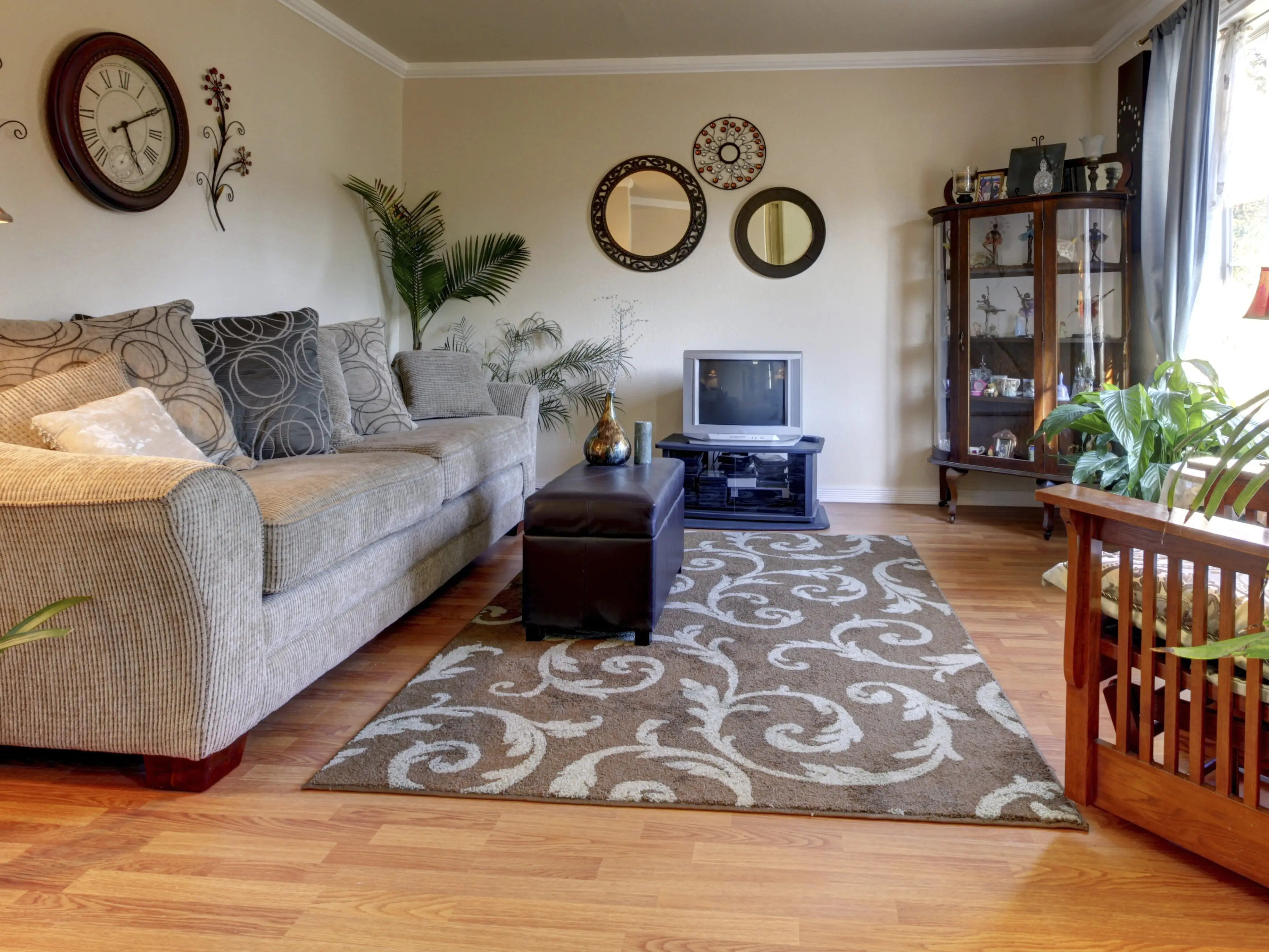
If an area rug is too small for the room it’s in, the furniture can feel like it’s floating around without anything to ground it.
That’s why I like to think of a rug as a placemat rather than a centerpiece for furniture. When it extends slightly beyond the furniture, it helps define the living area and makes the space feel larger and more cohesive.
As a general rule, I recommend choosing a rug that extends 6 to 8 inches beyond either side of the sofa and is large enough for at least the front two legs of each piece to rest comfortably on it.
In my opinion, futons are more functional than comfortable.
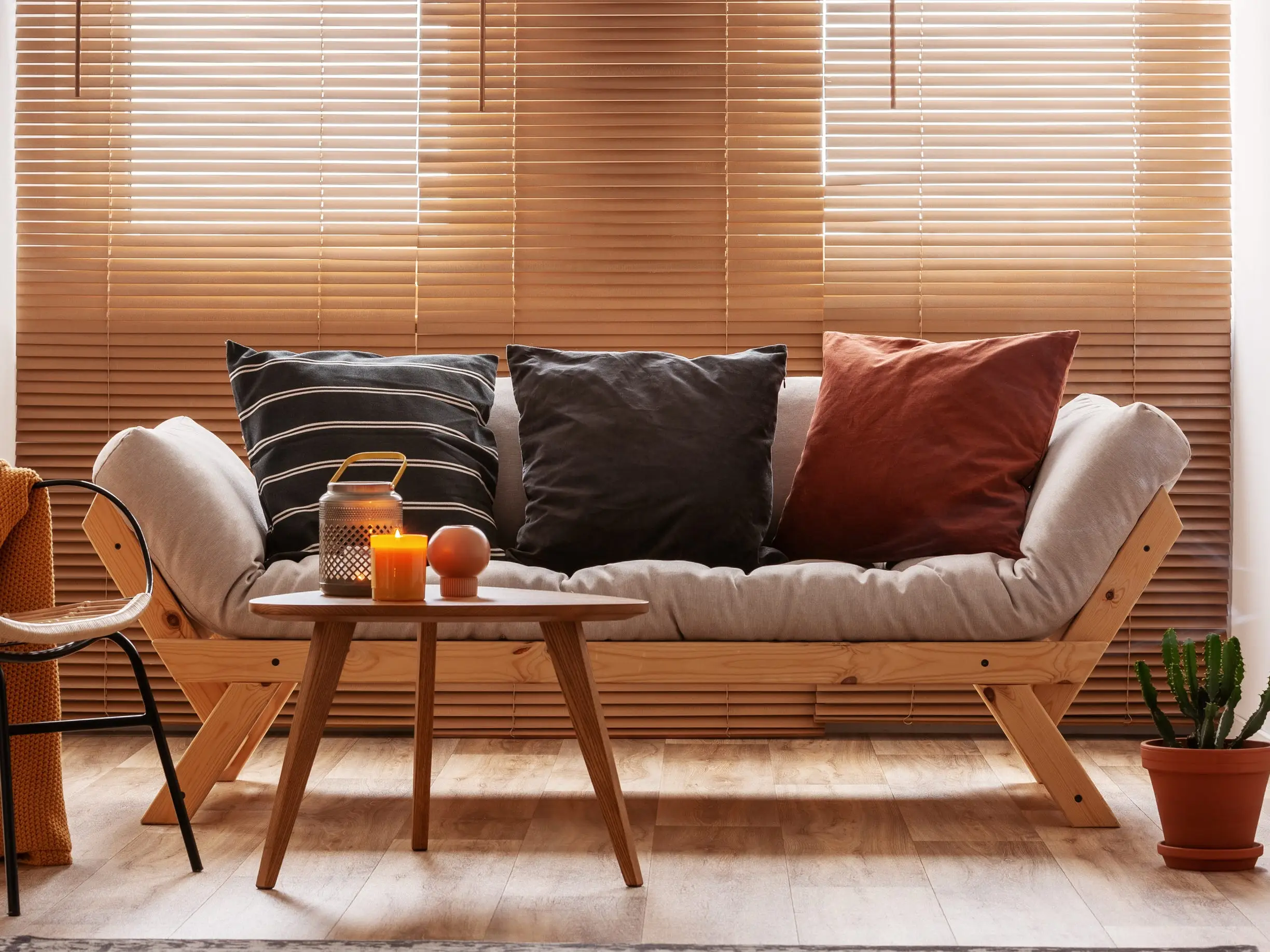
Due to their functional, lightweight construction, futons are usually smaller than standard couches, with narrower seats and firmer cushions.
Many people opt for this type of seating because it can easily convert into a bed. However, since the living room is one of the most-used spaces in the home, I wouldn’t sacrifice comfort or style for the occasional guest.
If you need the living room to double as a guest space, consider buying a more comfortable sleeper sofa instead.
Vertical plastic blinds won’t stand the test of time.
Window treatments are crucial for privacy, light, and temperature control, but they can also elevate your interior decor. As an everyday-use item, quality blinds are an investment that can actually add value to your home.
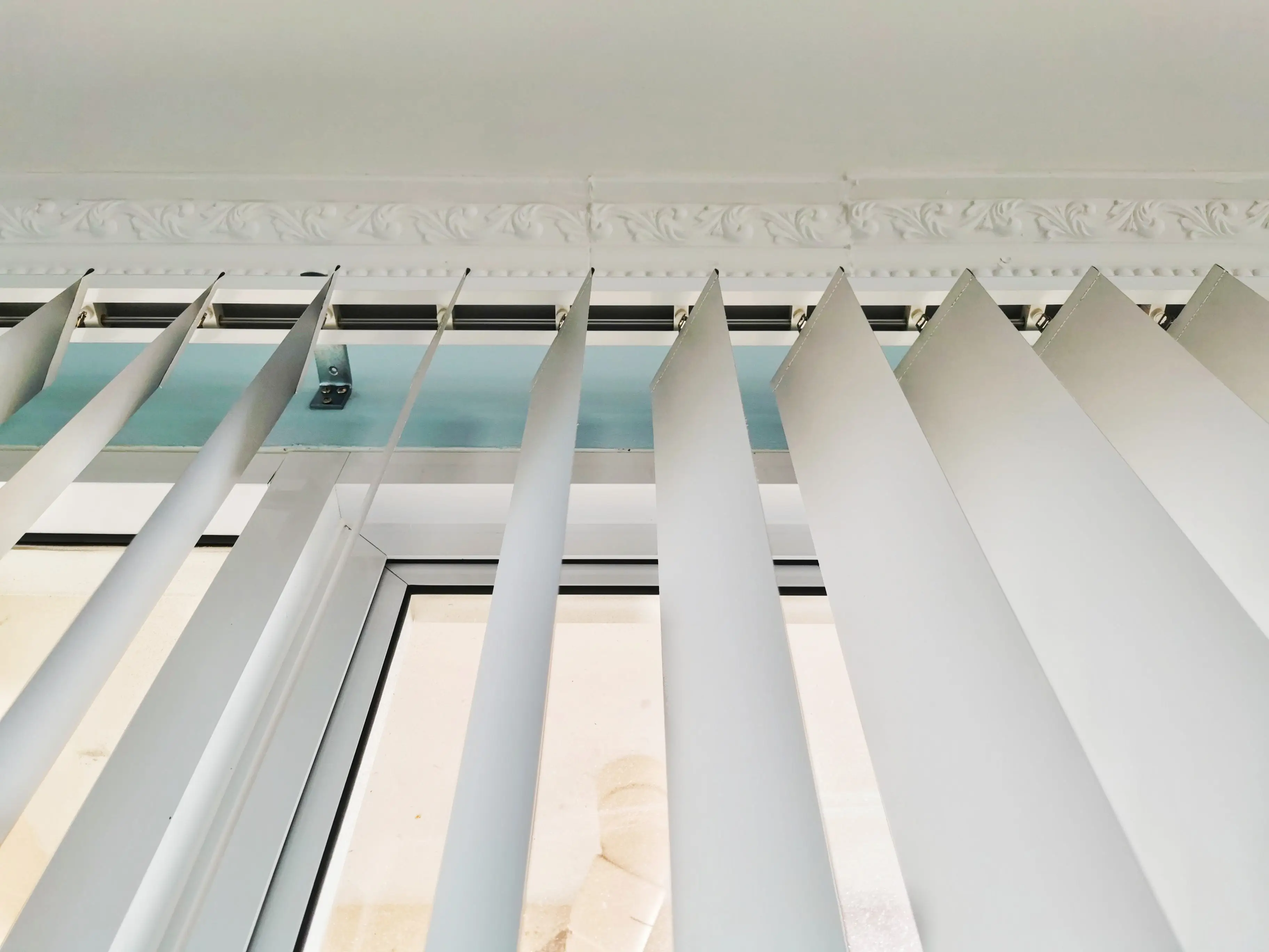
That’s why I like to stay away from thin, vertical, plastic blinds that tend to bend and tear easily.
Instead, I stick to 2-inch wooden or shutter blinds. I also like to add high-quality curtains, which can help with temperature control and incorporate personality into a space.
Exposed wires are an eyesore.
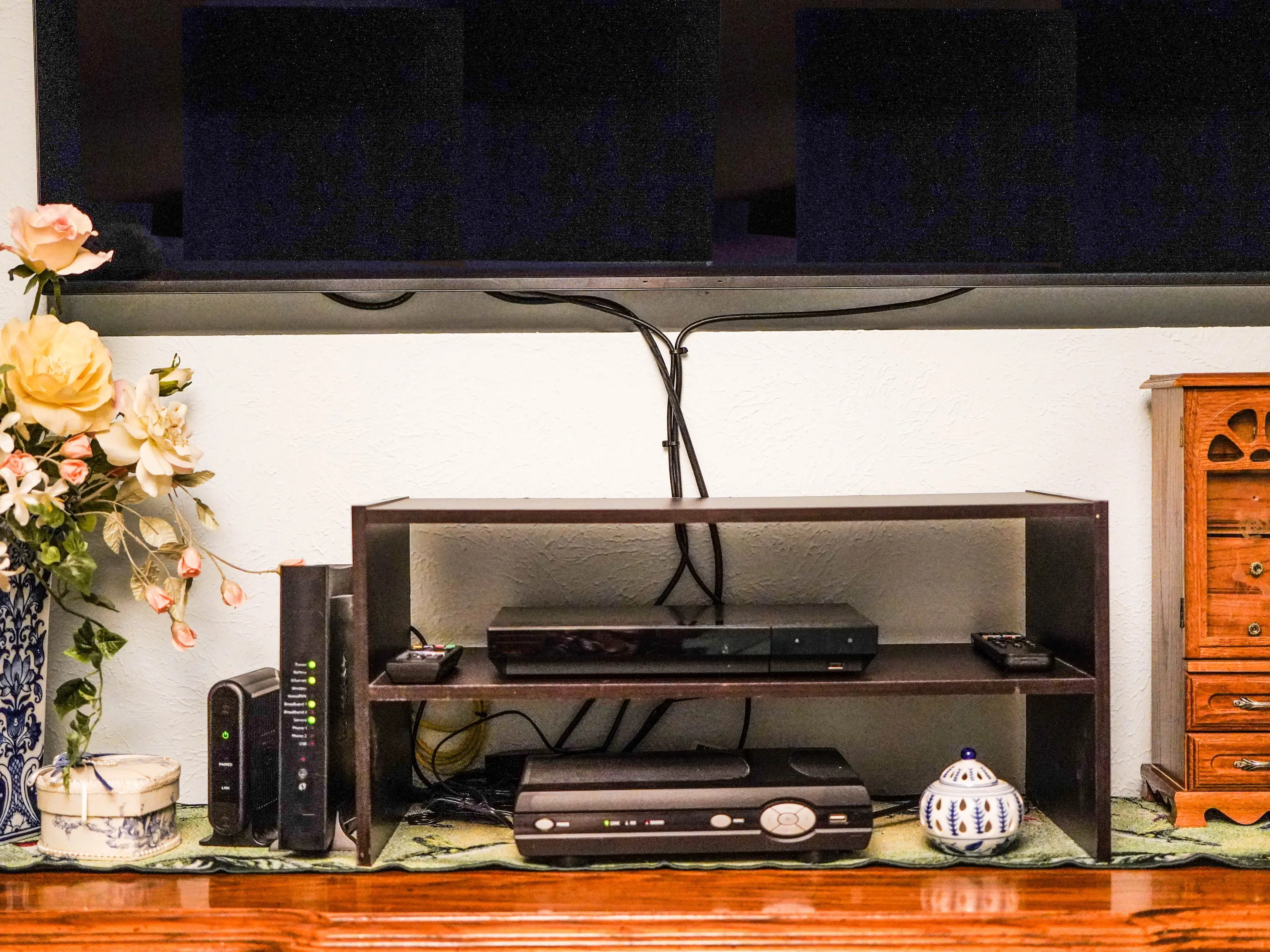
Mounting a TV or installing plug-in wall sconces can elevate the living room, but exposed wires create visual clutter and can make a space look unfinished.
If you’re unable to run wires through the wall, installing a cord-concealing track that matches your wall color is a quick and easy option.
But more often than not, I recommend just keeping your electronics off the walls and using the opportunity to invest in a nice TV stand.
I would never let my couch or coffee table become a conference room.

If your living room is littered with paperwork and looming to-do lists, it can be hard to get out of the work mindset and into chill mode — especially if both take place around the coffee table.
It’s important to create a comfortable work environment while maintaining separation between the workspace and living areas.
If space is limited, split the room into separate zones for work and play, so that when you clock out, you can move away from the workspace.
Sectionals with loose back cushions can be frustrating.
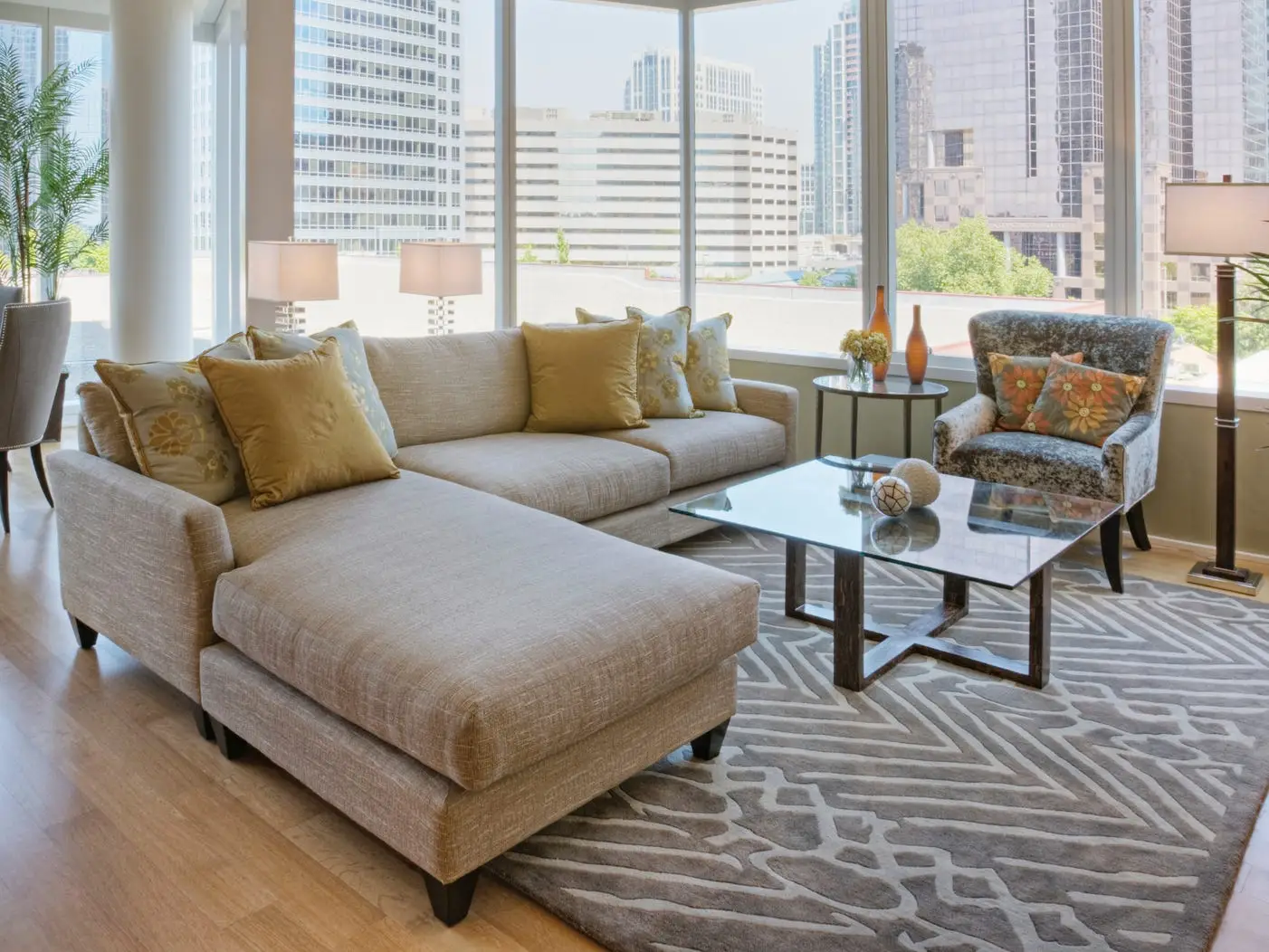
Loose back cushions aren’t attached to the couch and are often made with removable covers. Though they can be a good selling point for individuals who want to regularly wash their covers, I find that they create a frustrating maintenance routine.
Lightweight cushions can fall down and be easily pushed around the couch. On the other hand, heavy feather cushions will get squished and need regular fluffing.
If you don’t want to deal with constant maintenance, consider buying a couch with back cushions that are attached.
Gallery walls leave me feeling overstimulated and uninspired.
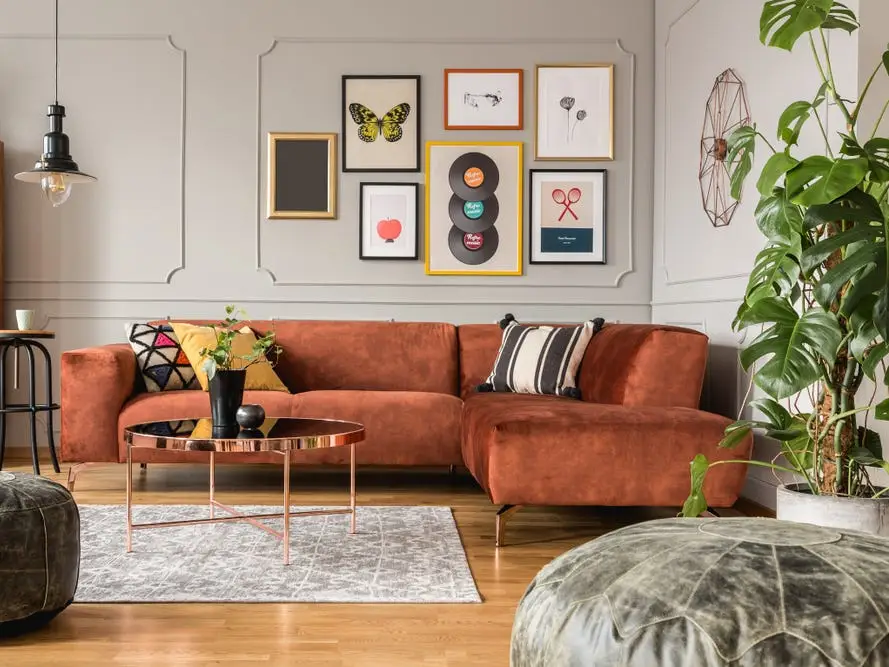
Gallery walls are a scattering of framed posters, small pieces of art, and family photos. Though they certainly fill the space, they can also appear as visual clutter if not mindfully curated.
Instead, I always keep small-scale art on tabletops and bookshelves and opt for large pieces for the wall to fill the space and make a bolder design statement.
Small throw blankets aren’t practical.
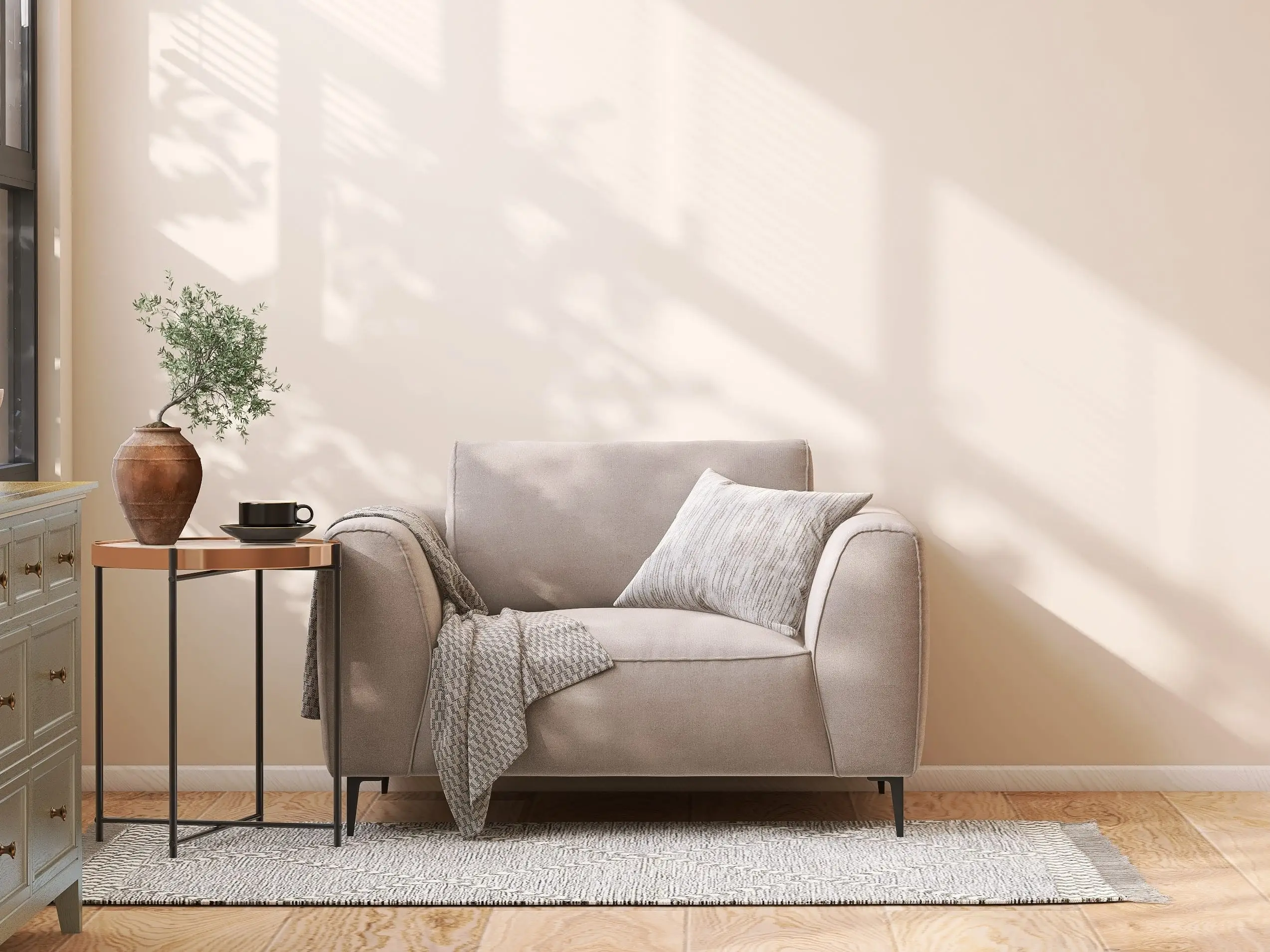
Nothing is more disappointing than cuddling up under a fuzzy blanket just to have your toes poke out.
Though many throws are intentionally small so that they won’t take up too much space when draped over the couch, the size also means you probably won’t be able to stretch out underneath.
Instead, I like to find a blanket that’s marked as a twin-size or oversized. A good throw, especially in a knit fabric, can add a gorgeous cozy texture to your space, fold up tightly, and serve as a versatile piece for me and my overnight guests.
This story was originally published on July 3, 2023, and most recently updated on July 21, 2026.
Read the original article on Business Insider