
I spent 53 hours on Amtrak’s longest train. These were the 6 best and 4 worst parts of the journey.

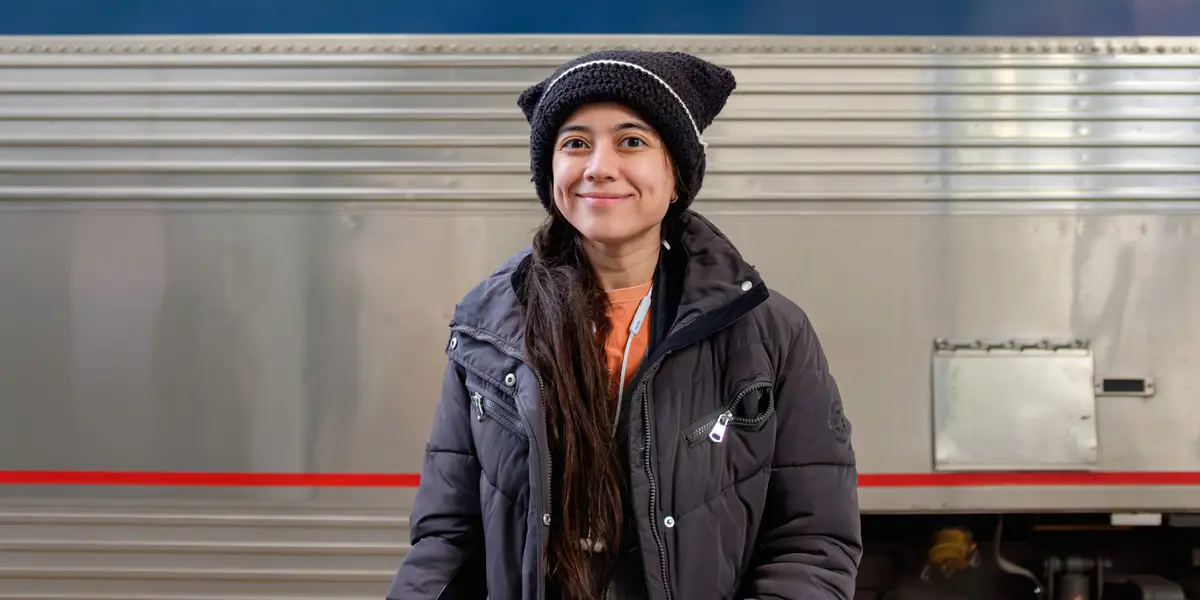
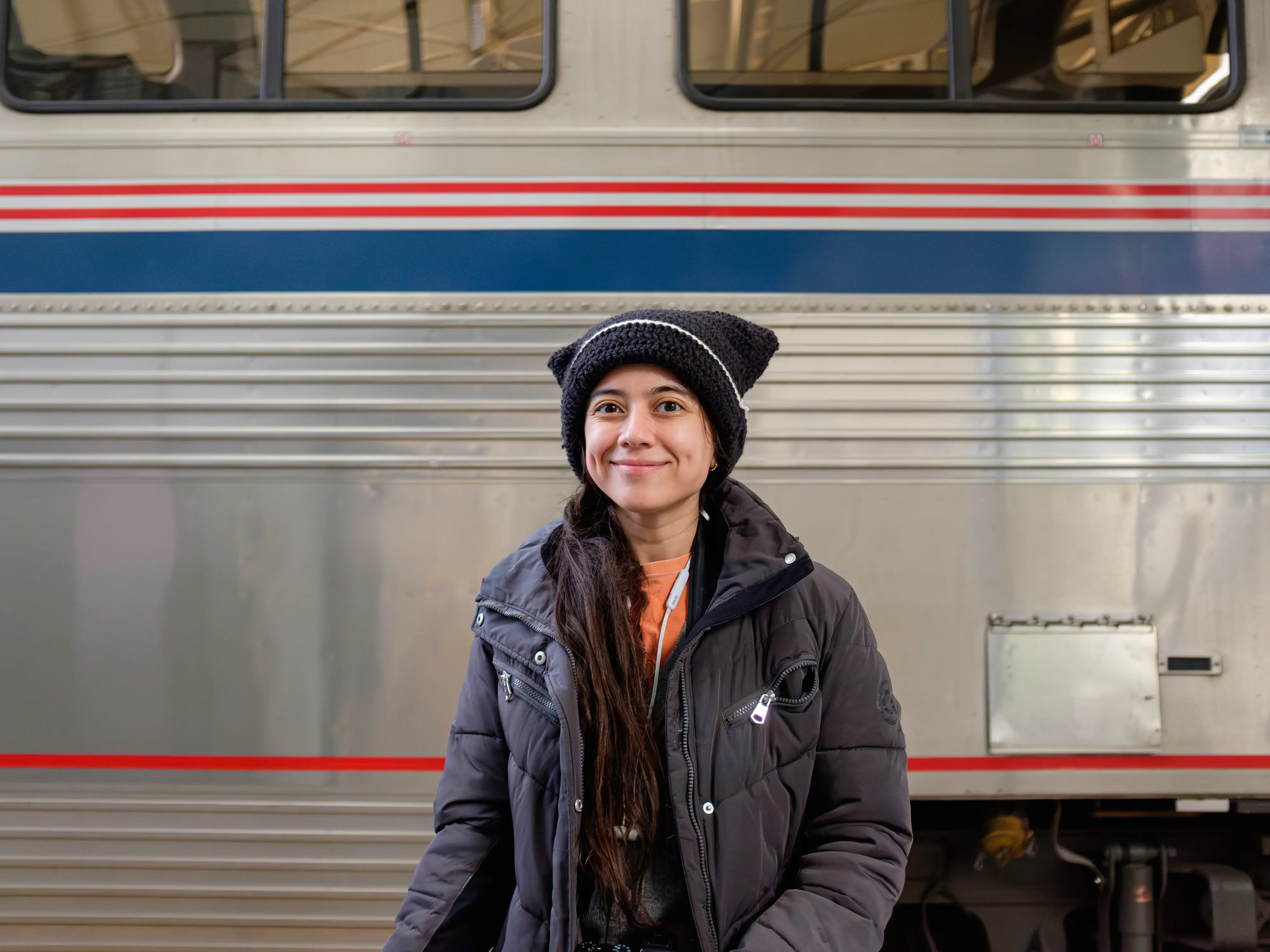
I had the time of my life on the longest train ride in America, but there were still moments when I wished I could get off.
As a lover of overnight trains and the American West, taking the full 53-hour, 2,438-mile route of Amtrak’s California Zephyr from Chicago to Emeryville, California, was my dream journey.
Still, no adventure is perfect. Between the epic views and restful nights, there were awkward moments, dull backdrops, and unexpected drawbacks.
Read about the highlights and low points of my trip for an idea of what to expect on Amtrak’s longest train ride.
Booking a bedroom accommodation with a private bathroom made the 53-hour ride extremely comfortable.
I’ve sampled a variety of classes for overnight train travel in the US and Europe, from private cabins to seating carriages. However, this was my first time spending two consecutive nights on the same train, so I thought it would be worth booking an Amtrak bedroom for $2,200. The rate also includes meals.
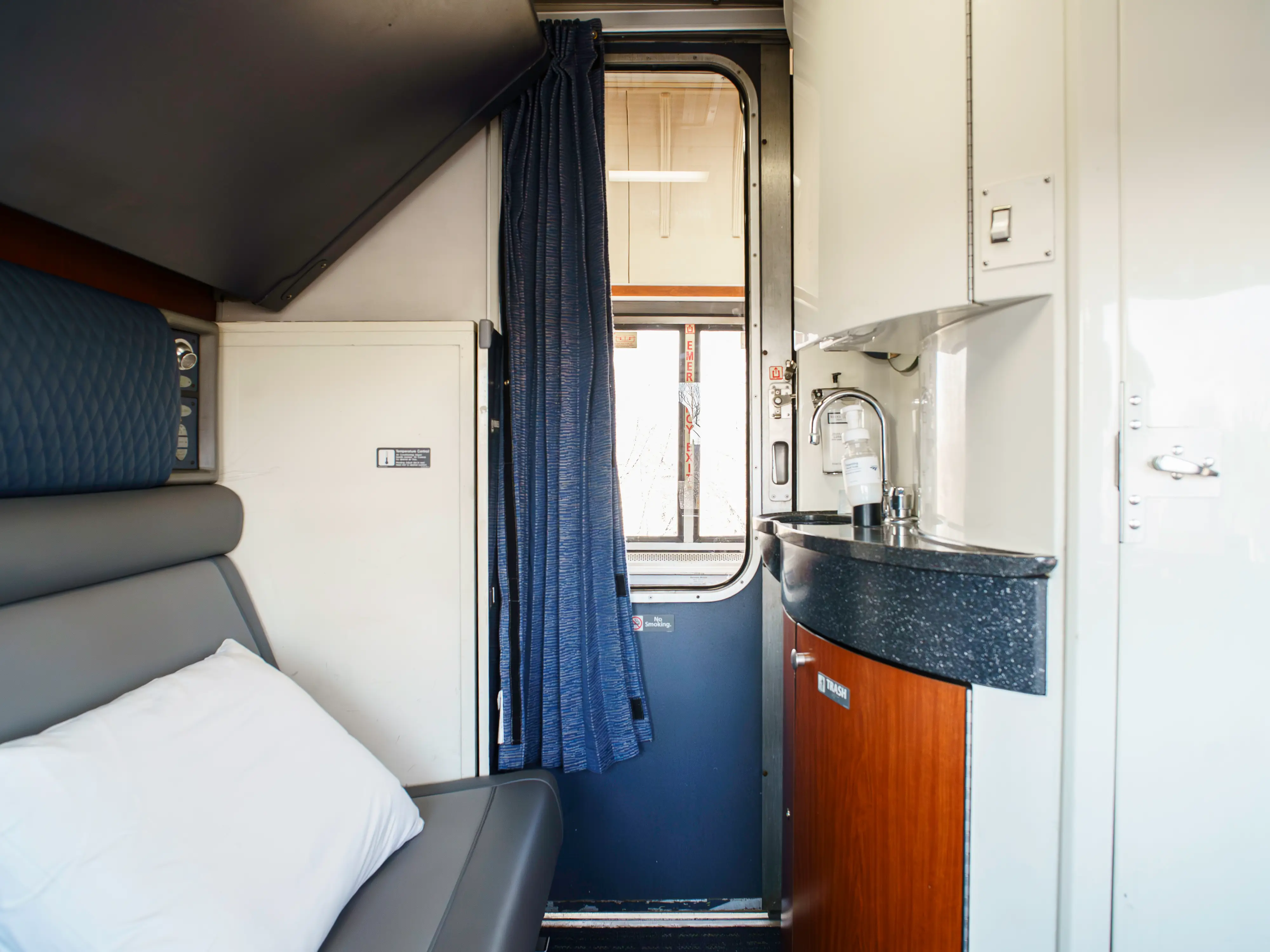
The sleeper-class accommodation is essentially a tiny hotel room. The roughly 50-square-foot private cabin looked like a living room during the day, with a fold-out table, a cushy seat, and a long couch. At night, the couch pulled out, and another bunk pulled down from the ceiling, transforming the space into a bedroom.
It wouldn’t be a hotel room without a closet and a bathroom, and it had both, with a sink and vanity across from the closet. It also had a private toilet and shower squeezed into a tight space separated by a door. There was also cabinet storage space.
Booking a bedroom made my trip so much more comfortable than it would have been in coach seating or a roomette, a smaller sleeper-class cabin without a private bathroom.
Without feeling cramped or having to shower in the train car’s shared bathrooms, it was so much easier to relax and enjoy the journey.
The room had thin walls, so it wasn’t suitable for some of the activities I packed.
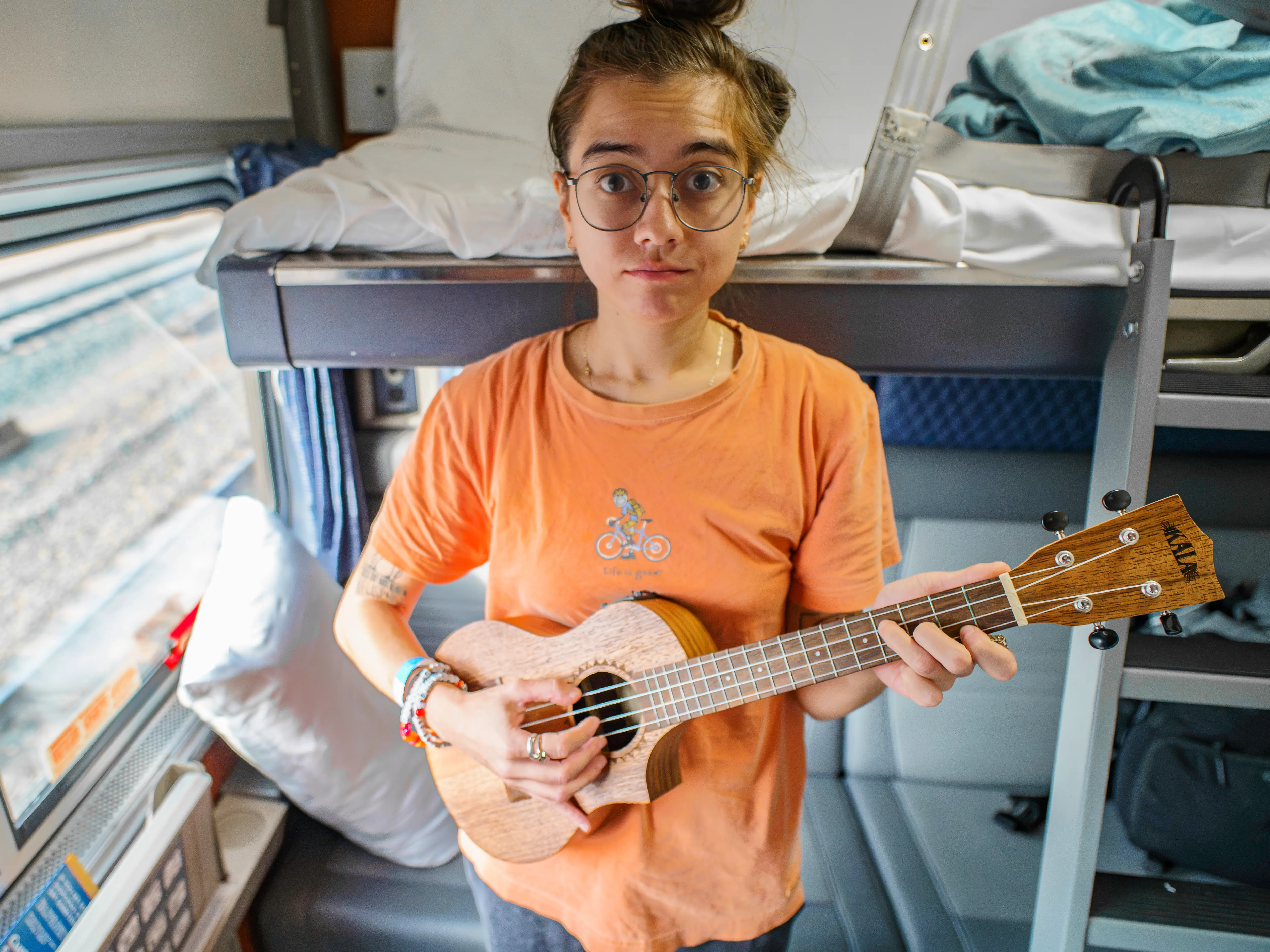
I packed as many different activities as I could to pass the time, including my smallest musical instruments — a ukulele, a drum pad the size of my hand, and a pair of sticks to hit it with.
As a part-time touring musician, I would have found playing these instruments a fun and productive way to kill several hours in the 50-square-foot room.
However, I forgot that cabins on overnight trains tend to have thin walls. And this bedroom was no exception. I could hear the passengers conversing in the cabin next to mine and realized that it wouldn’t be thoughtful to play my instruments, so I didn’t. It was a bummer, especially since I could have packed lighter.
Sleeping in the top bunk was an unexpected highlight.
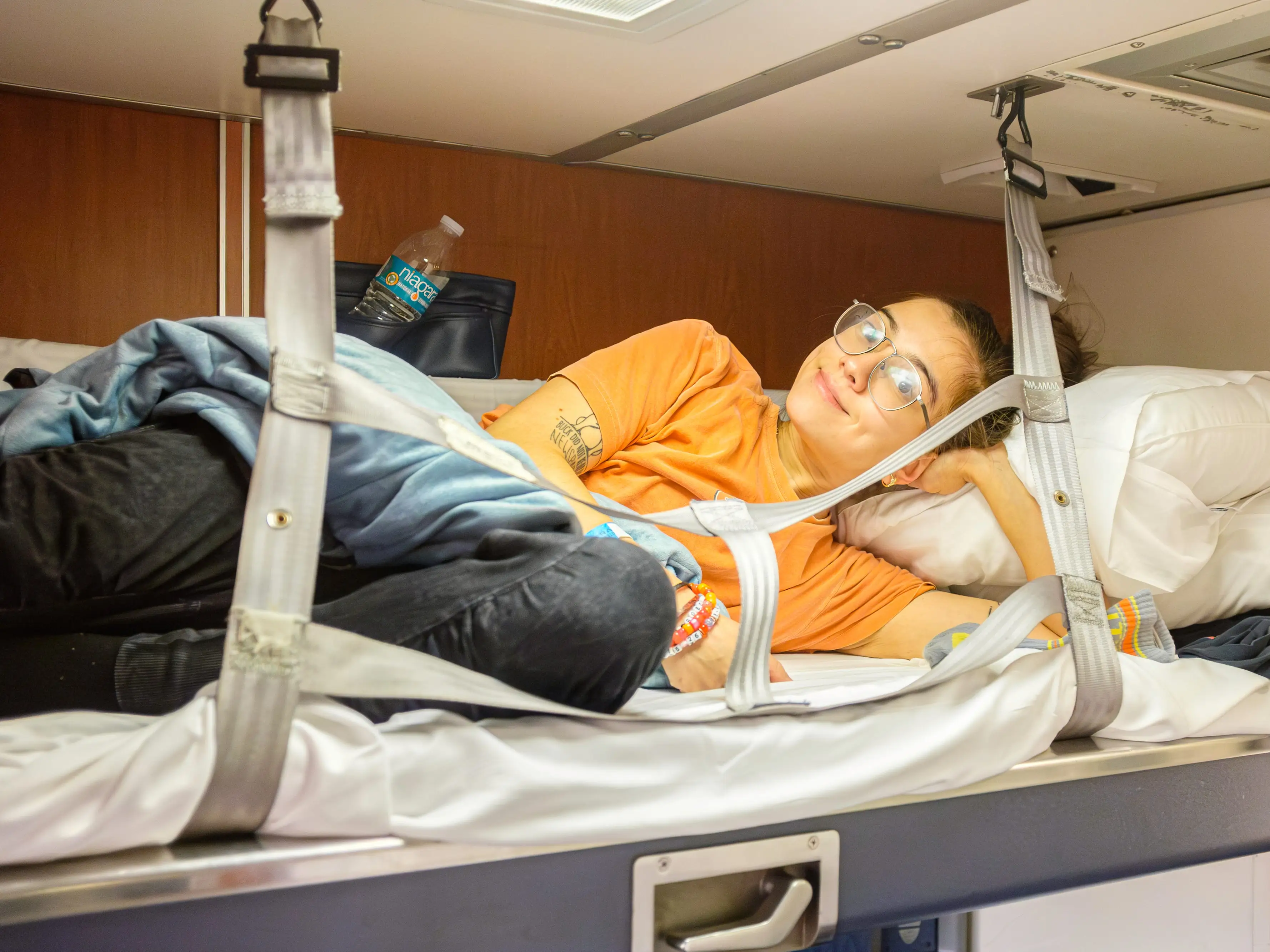
When I decided to sleep in the top bunk on night one, I had no idea it would bring me so much joy.
Once I pulled the cot down, hooked its straps to the ceiling, and climbed up the ladder to the bed, I was filled with nostalgia, reminiscing about sleeping on the top bunk in my brother’s room as a kid.
The warm fuzzy feeling I got from this experience isn’t something everyone would relate to. In fact, if you’re new to overnight train travel, I wouldn’t recommend sleeping up top. The rails feel shakier up there. But I’m used to the bumps. They rocked me to sleep.
In the morning, the narrow hallways in the sleeper cars made getting breakfast a bit awkward for everyone.
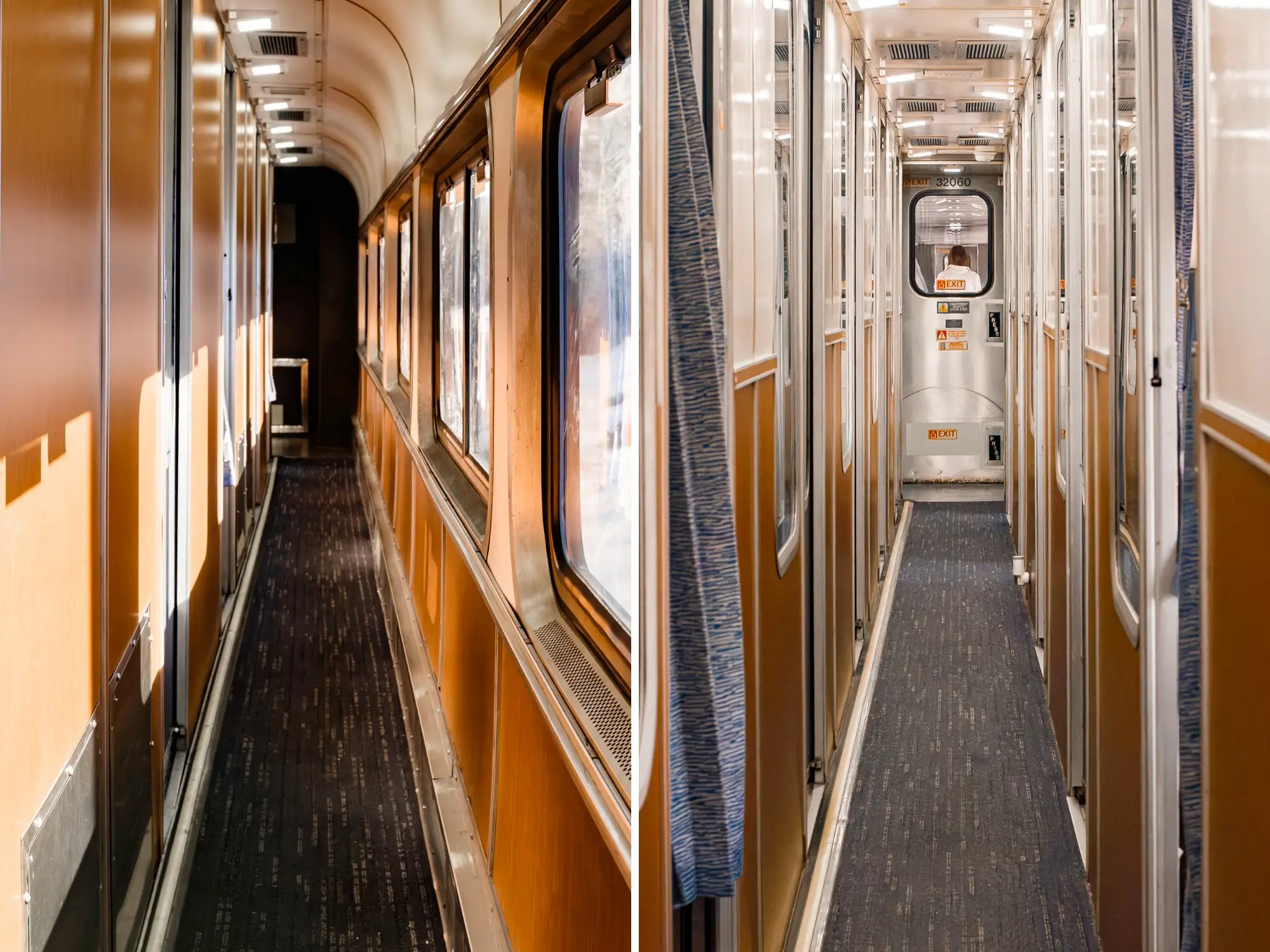
Every overnight train I’ve been on has had narrow hallways, so I was expecting to feel a bit uncomfortable navigating the space with other travelers. Only one person can fit in the hallway at a time, so if someone else were coming down, you’d have to step into a room to let them pass.
It wasn’t so bad in my sleeper car, however, since one side of the aisle was lined with bedrooms and the other with windows.
Still, once breakfast was called each morning, the hallway filled up quickly. I understand being in close quarters is just the nature of train travel, but I couldn’t help feeling like I was waiting in a chaotic line for my coffee and French toast.
Meeting new travelers made meals in the dining car some of the best hours of my trip.
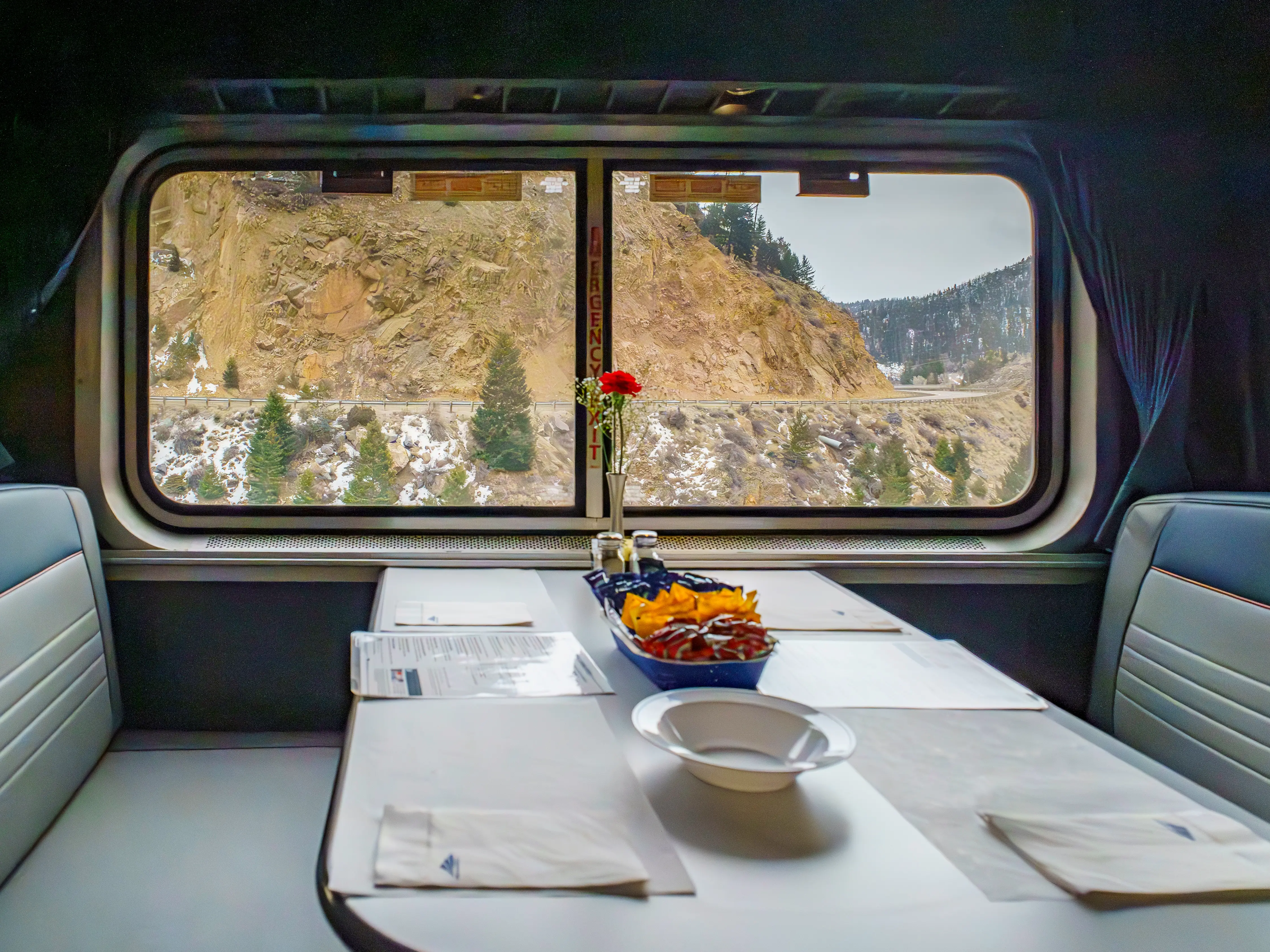
Meals are included in sleeper-class tickets on Amtrak trains. Passengers have the option of room service or eating in the dining car, where up to four passengers are seated at each table.
I had most of my meals in the dining car, and I’m so glad I did. I have a hard time talking to new people, but being seated with strangers in the dining car made it easy. We were facing each other for an hour, and we were all on the same adventure.
As a solo traveler, I found it fulfilling to talk to other passengers about their train experiences and daily lives.
The views across the American West were absolutely jaw-dropping.
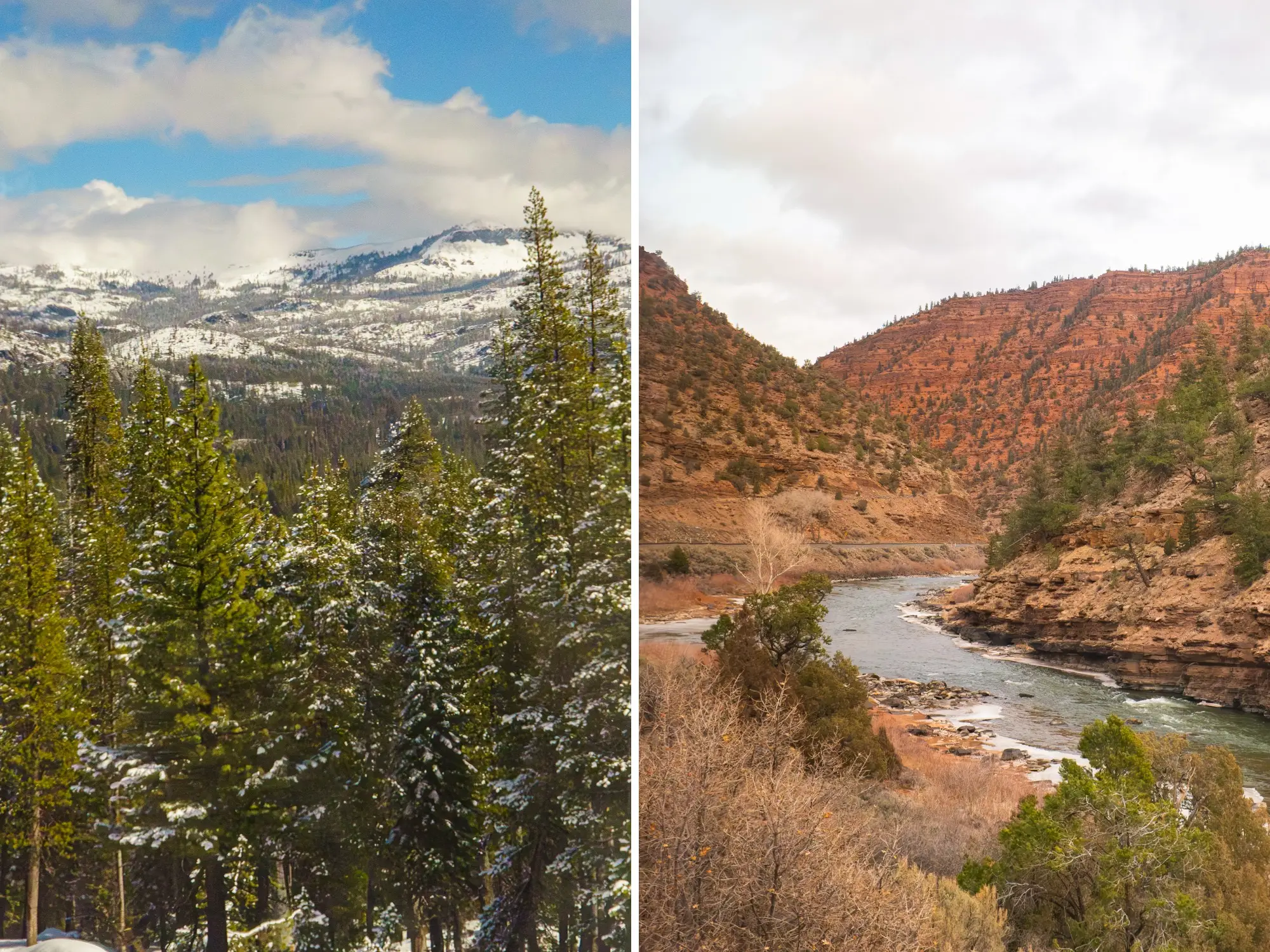
The most amazing part of this trip was the ever-changing view out my window.
This route passes a variety of scenes — mountains, forests, and lakes from Colorado to California, along with deserts, rivers, and red canyons, from Utah to Nevada.
I stared out my window in awe. To see so many different types of natural American landscapes in just 53 hours was an epic experience.
Hanging out in the observation car was a highlight.
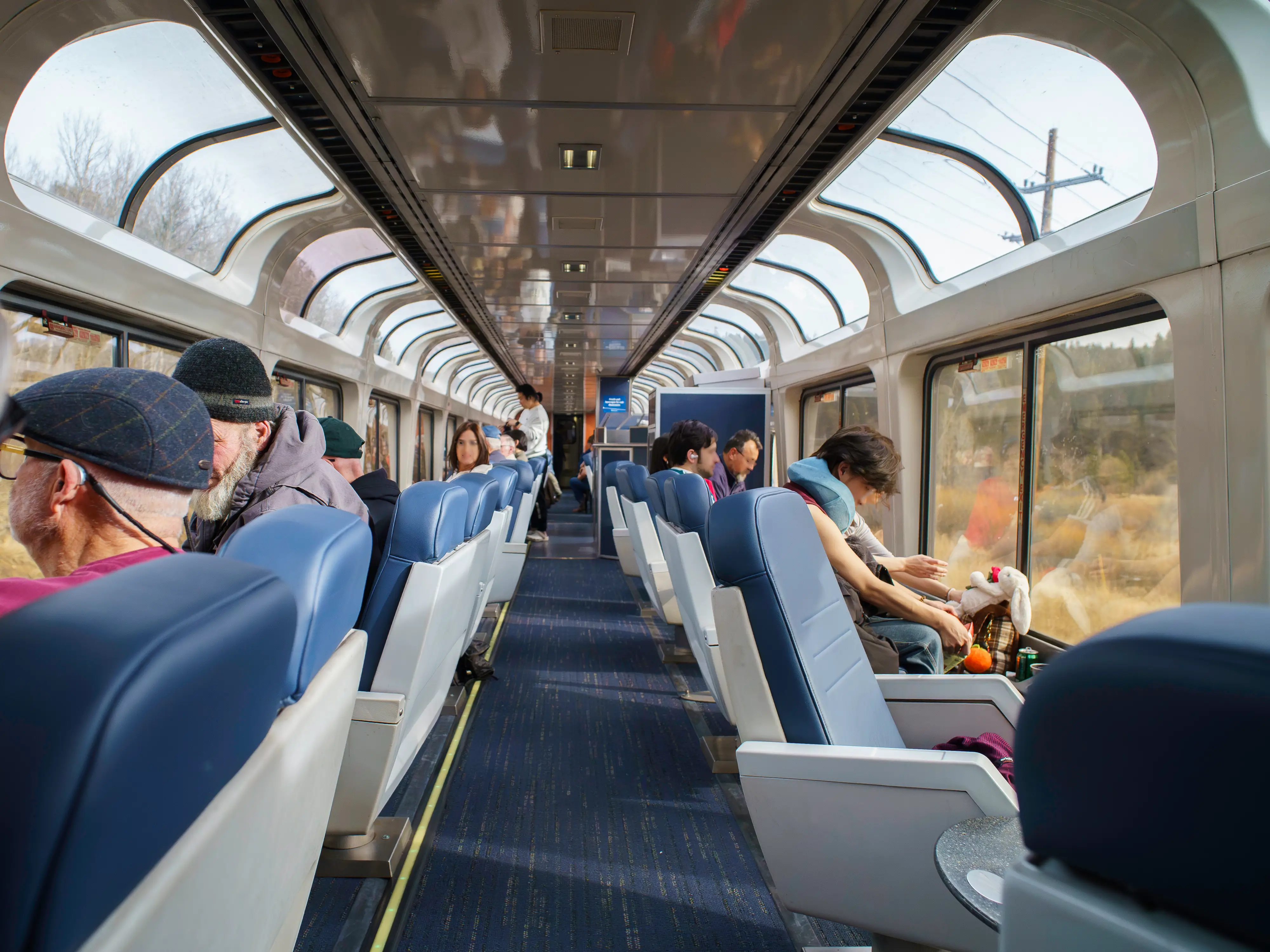
The lounge car is a communal carriage on the top floor of the California Zephyr. It’s also known as the observation car because, unlike the rest of the train, it has two rows of giant windows on either side of the aisle. It was the best place to be for optimal views.
But some of the landscapes along the route were flat and boring.
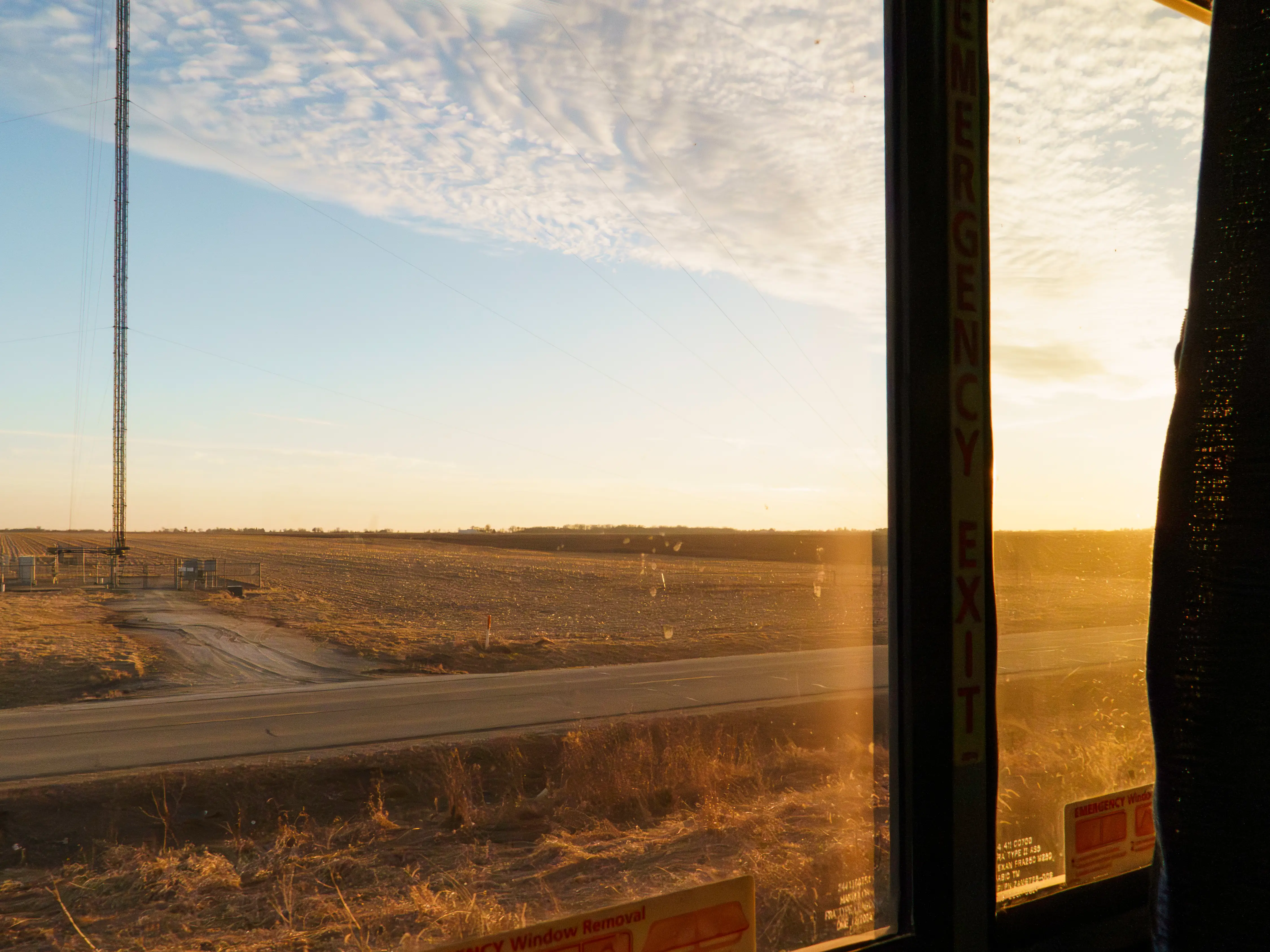
Day one took us through the plains of Illinois, Iowa, and Nebraska. For hours, I saw nothing but prairies and flat land with the occasional factory, silo, or cluster of homes.
I spent these hours reading and playing video games to avoid getting bored.
I didn’t have dramatic, diverse views until we hit Colorado when I woke up on day two.
Passengers were able to get off and stretch during some stops, but not often enough to keep me from feeling cramped and antsy at times.
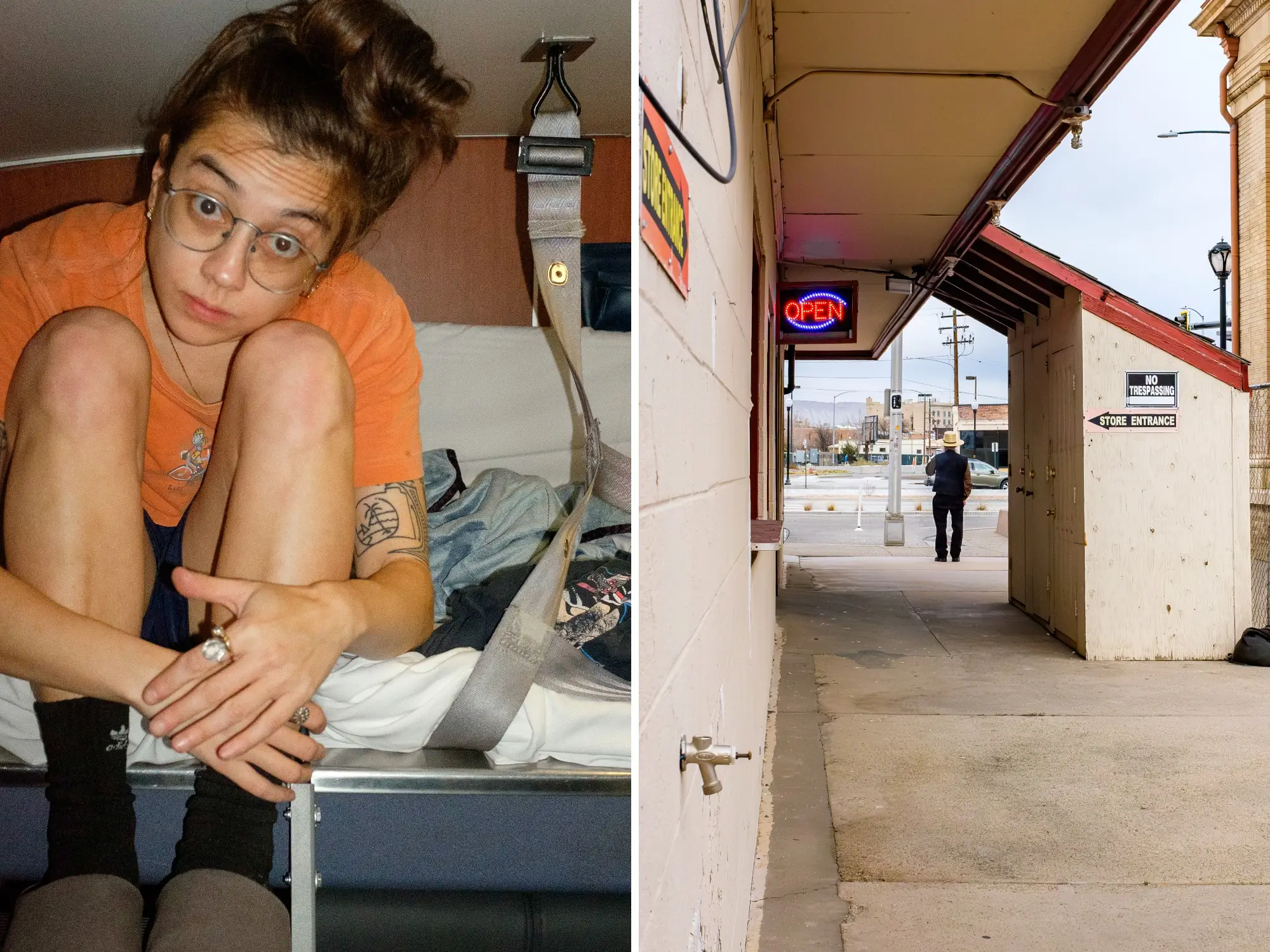
I embraced every opportunity to get off the train and move my body.
During the stops that were long enough to do so, which could be anywhere from 10 minutes to an hour, depending on the station, I walked up and down the platform and did some yoga and light cardio.
However, there were a couple of portions of the ride where passengers couldn’t get off for five hours or more. These hours felt the longest. I could feel my pent-up energy building while my joints stiffened, cracking as I stretched.
I thought not having WiFi or consistent service would be one of the worst parts of the trip, but it ended up being one of the best.
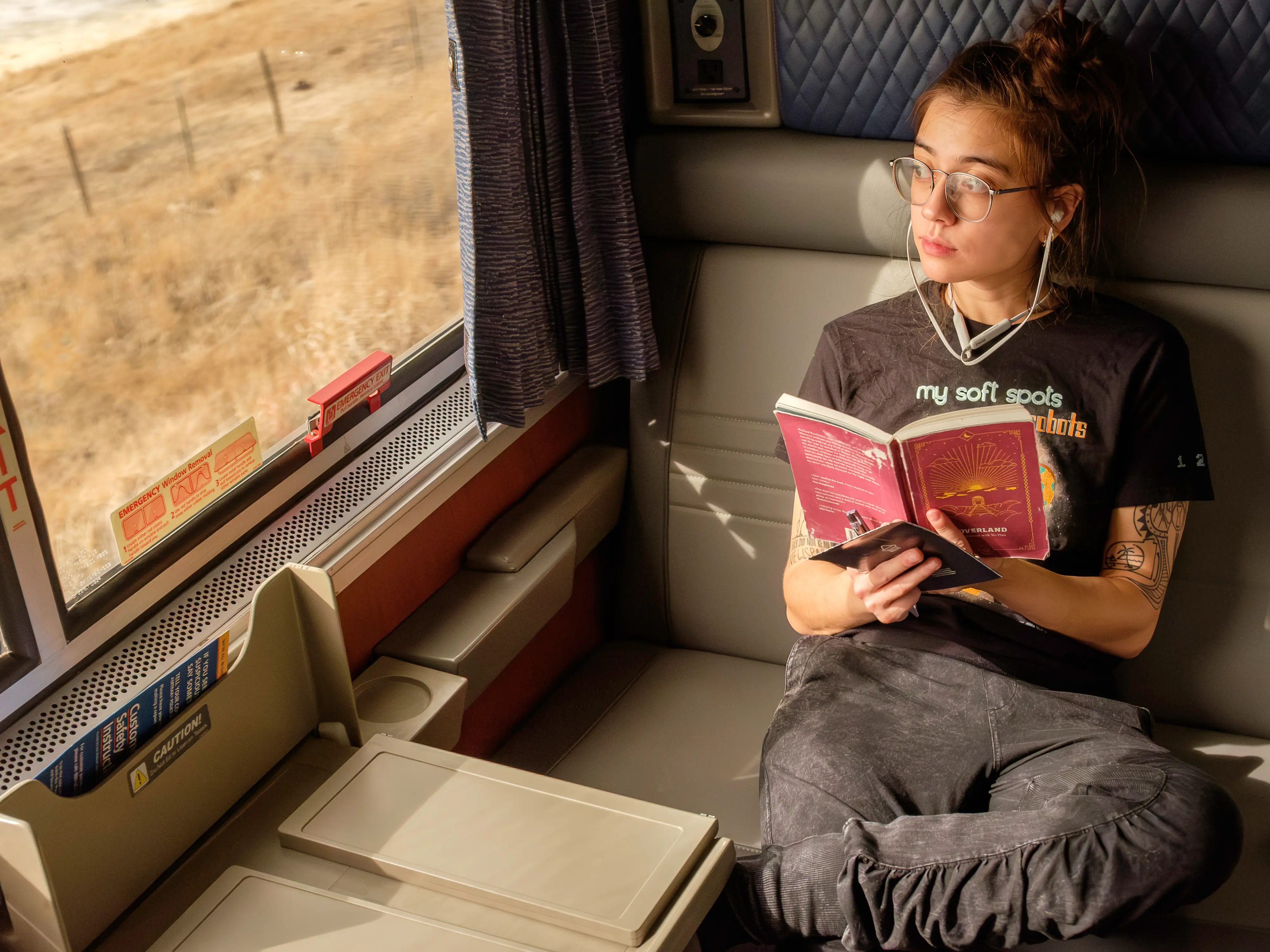
I knew there was no WiFi on the California Zephyr train before booking, and since the route travels through the wilderness, I assumed I couldn’t rely on cell service.
I expected to find this aspect of the trip challenging, but once on the journey, I formed a whole different outlook.
Spending 53 hours on a train is a chance to take a break from your life. From transit to meals, everything you really need is taken care of for you until you reach your destination.
If I’d had WiFi and consistent service on the California Zephyr, I may have wasted this opportunity to recharge by keeping my brain focused on the rest of the world.
By the end of the trip, I felt refreshed and ready to take on the responsibilities in my phone.
Read the original article on Business Insider