
I moved to France last year. Living here has taught me what Americans misunderstand about French culture.

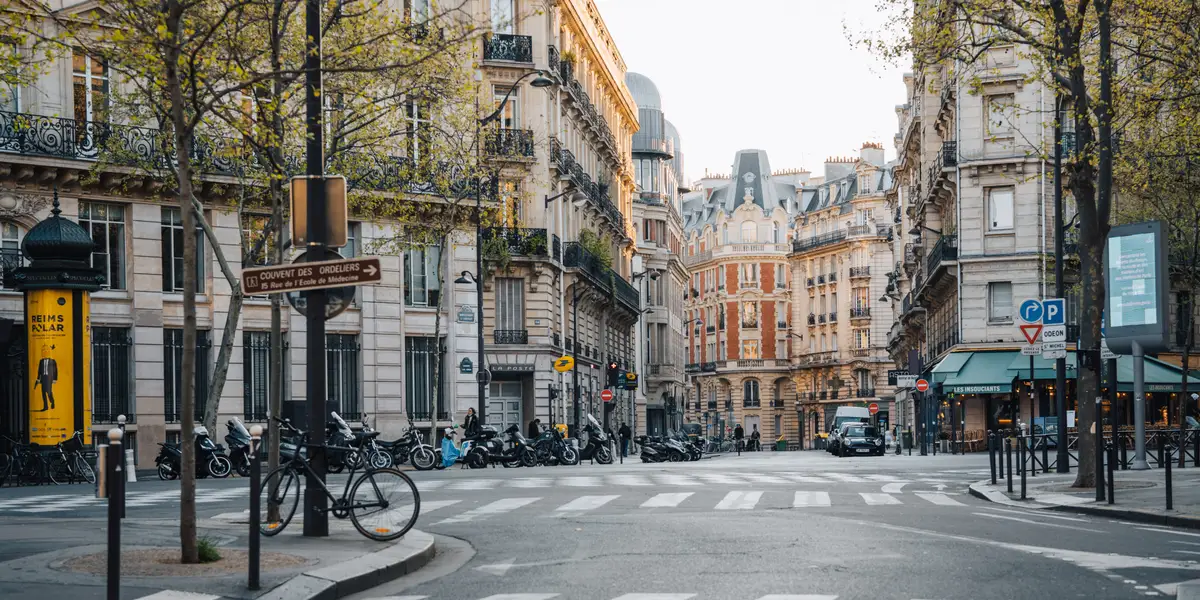
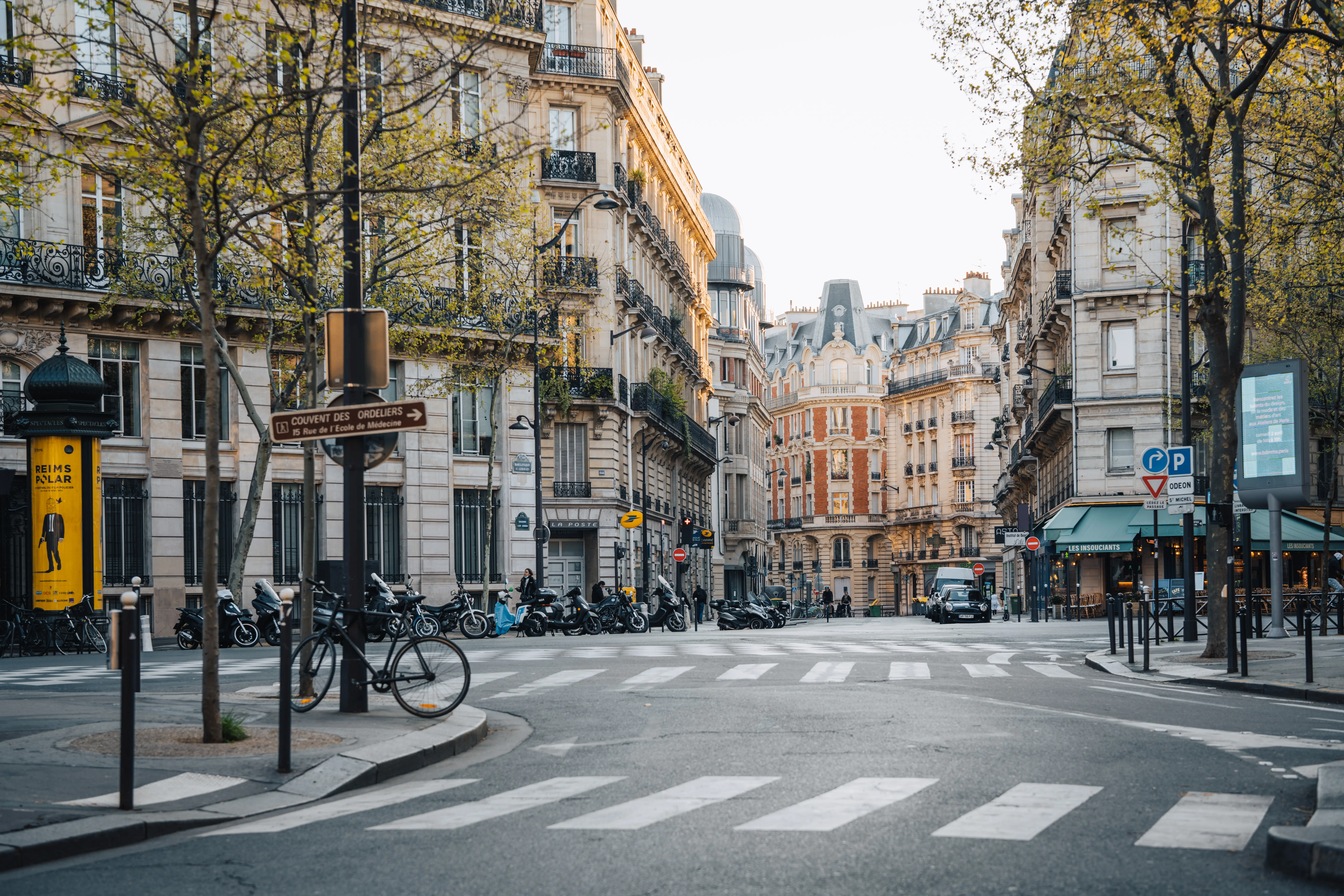
Years before moving to France, I went to Paris for the first time with my wife, who had always dreamed of visiting the City of Light. Back then, I bought into some of the stereotypes about the French, but I was pleasantly surprised by my encounters with locals.
About eight months ago, we moved to Versailles for my wife’s career. Now that we live here, I’ve realized that many common stereotypes about French culture (in the US, at least) are rooted in misunderstandings.
Learning a bit more about French etiquette has improved my day-to-day interactions, from ordering pain aux raisins at a boulangerie to asking the SNCF train conductor if I’m going the right way.
Here are a few things Americans should think about when traveling to France — or even moving here.
Be patient at restaurants, cafés, and bars
In the US, the federal tipped minimum wage (that is, what an employer is required to pay a tipped employee) is a paltry $2.13 an hour. Servers depend on tips to make a living wage.
As such, patrons are expected to tip at least 15% — and servers are usually motivated to keep their customers happy, since being attentive and friendly can effectively determine their income.
In France, however, eateries pay servers an average of 10 euros an hour and provide health benefits. As a result, servers in France are much less motivated by tips. Unless you’re in a fine dining establishment, you’re not expected to leave more than a few small coins.
I’ve found that French servers don’t check in as frequently and are less likely to bend over backward to cater to their customers’ whims. Americans often interpret this relative inattentiveness as neglect or disrespect, but I’ve learned not to take it personally.
If you’re trying to keep a tight sightseeing schedule, you’ll likely have a stressful time rushing your server. For a much better experience, I’d recommend embracing the culture of taking your time with a cup of coffee or a glass of wine.
Say hello, please, thank you, and goodbye in French

Oh, you don’t speak French? Cool, neither do I — not beyond a basic level, at least. In this case, speaking French is about courtesy, not communication.
Greetings are handled a little differently in France than in the US. For example, it’s not unusual to walk into a deli in New York and say, “Can I get a bacon, egg, and cheese? Thanks.”
That would be considered strange and rude in France. Here, you should always lead with a greeting (“bonjour” or “bonsoir”) before any service or retail exchange. If you’re asking for something, it’s customary to say please (“s’il vous plait”), thank you (“merci”), and goodbye (“au revoir”).
This may seem like basic etiquette, but I’ve noticed that the French adhere to these rules pretty strictly. If you forget a “bonjour” or “s’il vous plait,” it can change the tone of your interaction.
Even if you don’t know French, learning some of these basic greetings — and always leading with them — will make most exchanges go more smoothly.
Still, read the room when it comes to practicing French
Some Americans don’t attempt to speak any French at all, whereas others take every opportunity to practice their French.
Although this is admirable, it’s important to pay attention to your environment. Peak dinnertime at a café or restaurant is not the time to practice your A1-level French.
I’ve seen some American tourists and expats get frustrated when they lead with French, only for a French barista or server to automatically switch to English anyway. Consider the context, though: If there are 10 people behind you in line, the shop attendant is likely just trying to whittle down the queue.
You can (and should) speak basic courtesies in French, but switching over to English at a certain point can be a good idea. In a near-empty boutique, on the other hand, you’ll have more leeway.
Learn and adjust to how locals do things

The French language is the biggest barrier Americans will face in France, but it’s not the only one. There are many little things that people do differently here.
For example, most trains in the US have automatic doors, but on the Paris metro, you sometimes have to open the train doors manually. If you’re not aware of that, you might find yourself staring at the doors while your train pulls away.
This one’s also Paris-specific, but keep your metro card, even if it’s for a single trip: You’ll need it to get out of the metro station at the end of your ride.
The biggest mistake I see Americans make in France is trying to recreate the US in France when it comes to pace, language, and etiquette. If you settle into the way things are done here, your stay will go a lot more smoothly. As they say, when in Rome — er, Paris — do as the Parisians do.
Read the original article on Business Insider