

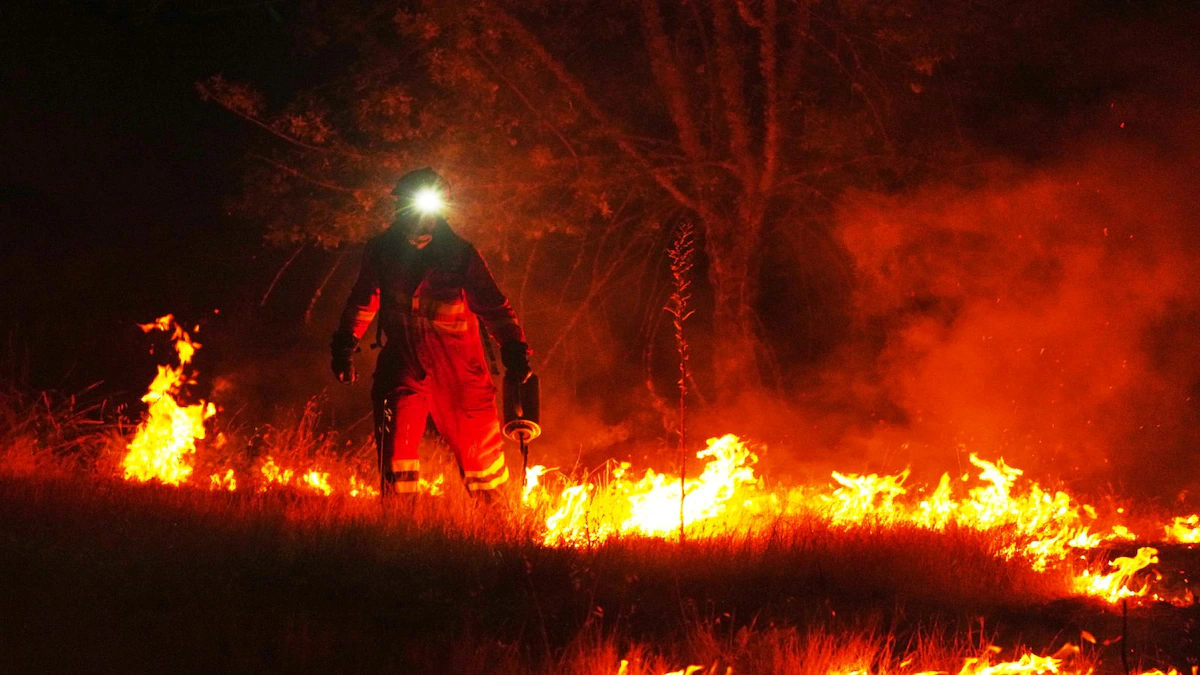
From rare fire-generated thunderstorms and record burn areas to mass evacuations and large-scale firefighting operations, here’s a look at the key eve…
 1/10
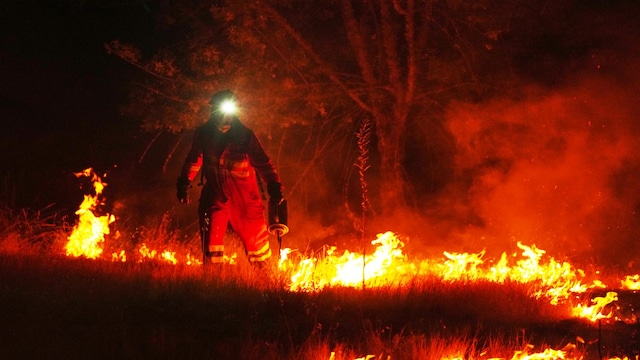
1/10Massive wildfires have swept across parts of France and Spain, forcing hundreds of thousands of people to flee, burning vast areas of forest and stretching emergency services. One blaze in France even generated its own thunderstorm, highlighting the scale and intensity of the wildfire crisis. Here’s a look at how the situation unfolded. (Image: AP)
 2/10
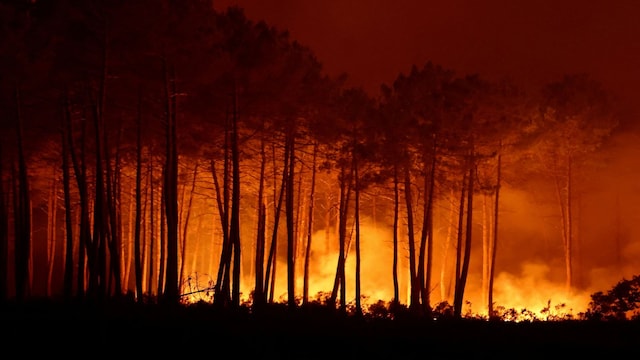
2/10The fires at a glance: The wildfire crisis centred on France’s Gironde department near Bordeaux, where the main fire began on July 22. Around 42,000 hectares were burned, while more than 320,000 people were evacuated across France and Spain as the fires spread. (Image: Reuters)
 3/10
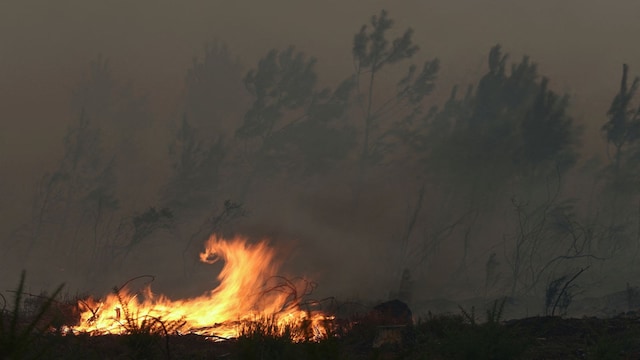
3/10Why did the fires become so severe? Several factors combined to worsen the wildfire crisis. Extreme heat dried out vegetation, months of drought reduced moisture in forests, strong winds pushed flames in changing directions, dense pine forests burned quickly, and multiple fires stretched firefighting resources. (Image: Reuters)
 4/10
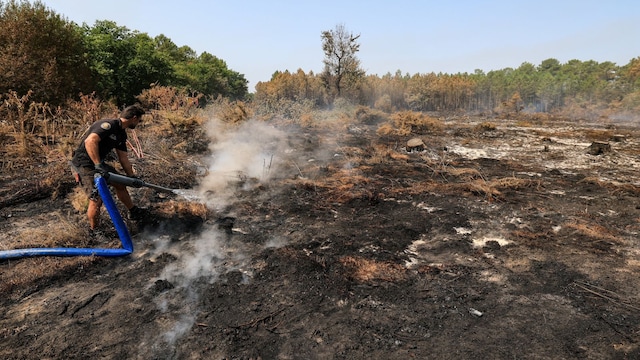
4/10France’s largest wildfire hotspot: The Gironde wildfire burned about 42,000 hectares, roughly four times the area of Paris. Across France, more than 116,000 hectares have burned this year, making it one of the country’s biggest wildfire seasons in recent years. (Image: Reuters)
 5/10
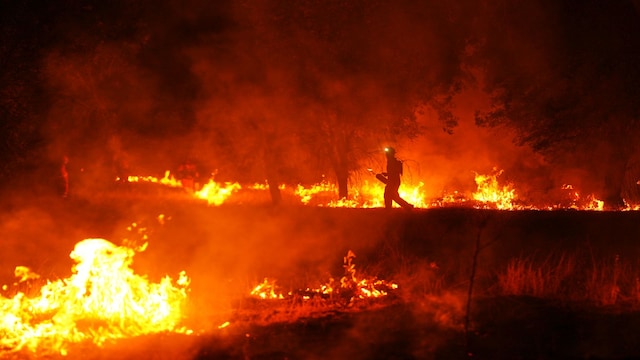
5/10Spain’s wildfire emergency: Spain also faced major fires in Avila province, the Madrid region, Castellon province and earlier deadly fires in Andalusia. The Avila blaze alone burned around 50,000 hectares, while several fires merged into larger fire fronts, making containment more difficult. (Image: AP)
 6/10
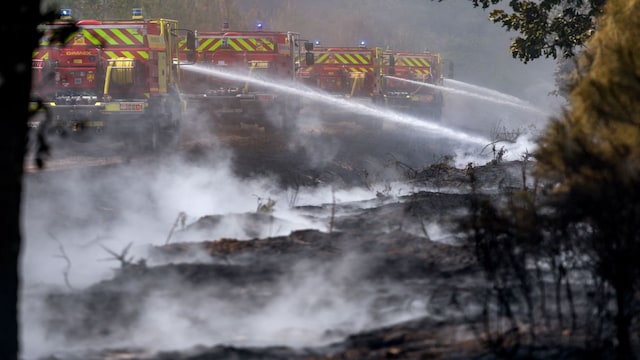
6/10Massive firefighting response: France deployed more than 2,500 firefighters, 14 reinforcement units, a Swiss firefighting team, hundreds of gendarmes and water-bombing aircraft and helicopters. Spain declared a national emergency for major fires and mobilised aircraft, helicopters, military units and thousands of emergency personnel. (Image: Reuters)
 7/10
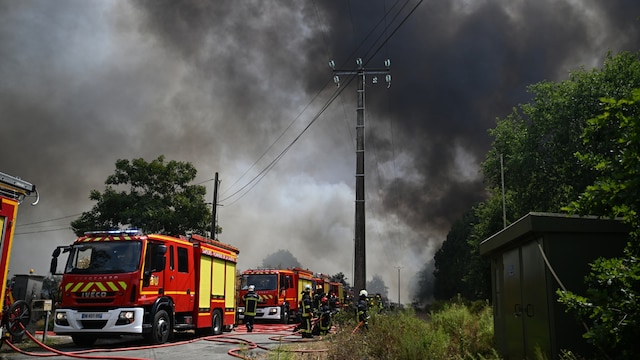
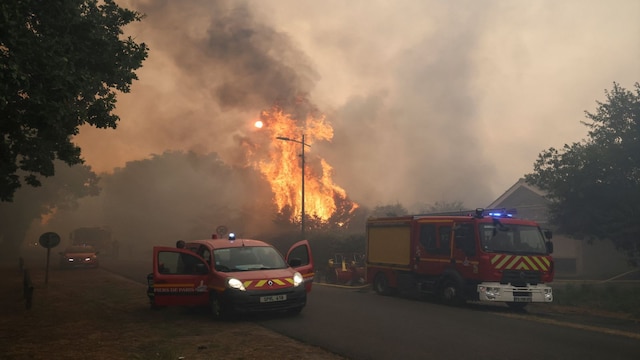
7/10A rare fire-created thunderstorm: The Gironde wildfire became so intense that rising hot air carried smoke and ash high into the atmosphere, forming a pyrocumulonimbus (PyroCb) cloud. Reports described it as the first recorded wildfire-generated PyroCb in France.
 8/10
8/10Why was the fire so difficult to control? Changing winds, dense pine forests, flying embers that sparked new fires kilometres ahead, thick smoke that reduced visibility for aircraft and multiple fire fronts made firefighting operations much harder. (Image: Reuters)
 9/10
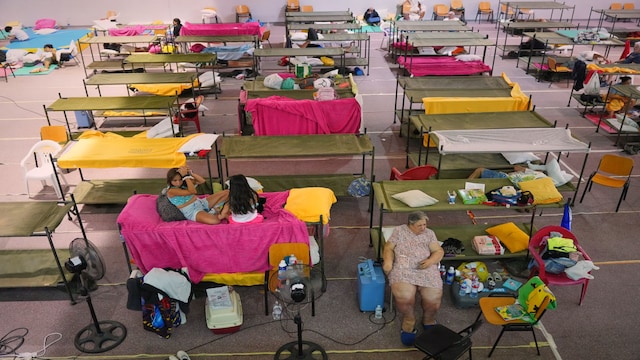
9/10The human impact: The fires forced large-scale evacuations. France evacuated up to 36,000 people around Biscarrosse and about 220,000 in Gironde, while Spain evacuated nearly 100,000 people. Thousands more were asked to stay indoors because of smoke, and authorities continued to assess casualties as the fires remained active. (Image: AP)
 10/10
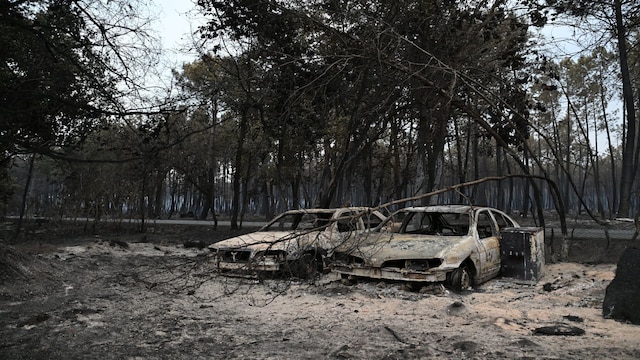
10/10A wildfire crisis still unfolding: The fires destroyed forests, threatened populated areas and vineyards, and created one of Europe’s biggest wildfire emergencies. Authorities warned that another heatwave could worsen conditions, raising concerns that the crisis was not yet over. (Image: AP)