

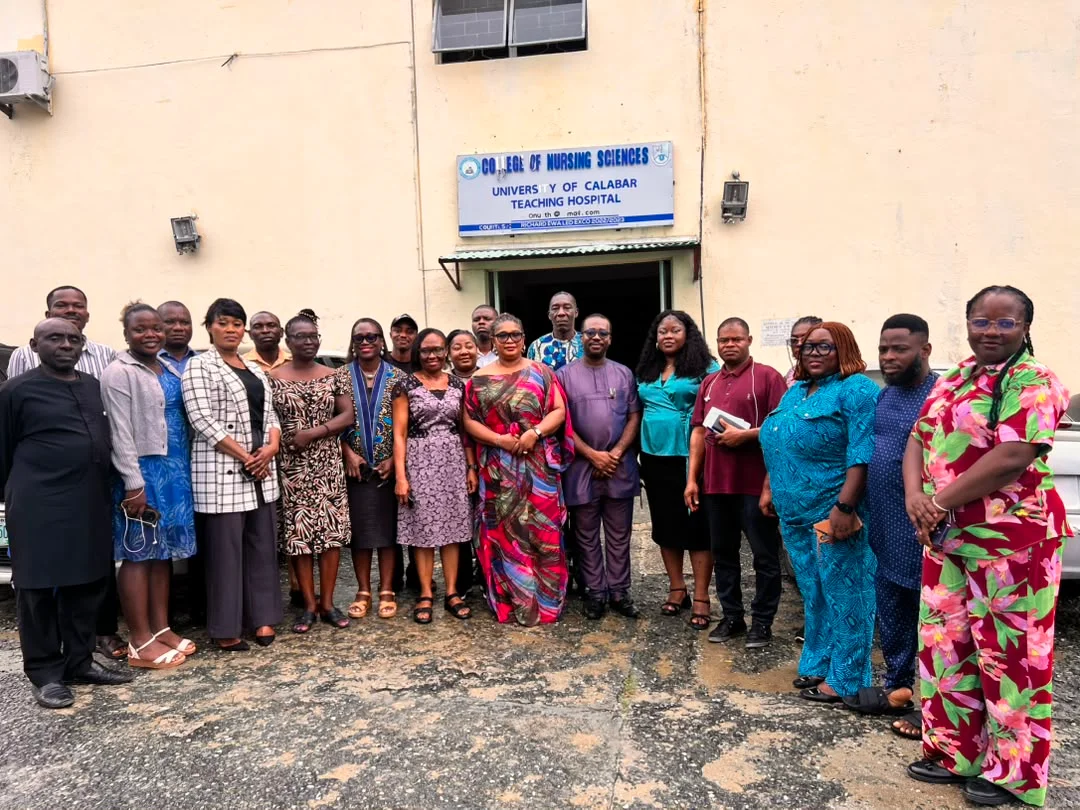
Amid rising concerns over health misinformation and public misunderstanding of medical issues, health experts in Cross River State have emphasised the need for stronger health reporting by equipping journalists with skills to interpret research and deliver accurate information to the public.
They noted that the growing volume of scientific publications and the widespread circulation of health misinformation have increased the need for journalists to understand research findings, identify credible sources and translate complex medical evidence into simple and accurate reports that can guide the public and policymakers.
The experts spoke during a two-day Evidence-Based Healthcare Workshop and Media Roundtable organised by Cochrane Nigeria at the Institute of Tropical Disease Research and Prevention, Moore Road, Calabar.
Speaking at the event, the Director of Cochrane Nigeria, Prof. Angela Oyo-Ita, said the workshop was designed to strengthen journalists’ capacity to understand scientific evidence, interpret systematic reviews and communicate health research accurately to the public.
She described evidence-based healthcare as the integration of the best available research evidence with clinical expertise and patients’ values to guide healthcare decisions.
According to her, the increasing volume of scientific publications makes it imperative to synthesise research into reliable evidence that can guide clinicians, policymakers, patients and the public.
“We invited journalists because they play a vital role in communicating research findings to the public. Research that remains on paper or in a researcher’s drawer has little value unless it is translated into information that people can understand and use,” she said.
Oyo-Ita urged journalists to rely on credible evidence rather than unverified claims when reporting health issues, adding that accurate reporting could help improve healthcare decisions and public confidence in medical interventions.
Also speaking, the Associate Director of Cochrane Nigeria, Dr Ekpereonne Esu, highlighted the importance of evidence-based reporting in addressing public health challenges, including Lassa fever.
He identified poor sanitation, biodiversity loss, deforestation, agricultural expansion and changing rainfall patterns as environmental factors contributing to the spread of the disease.
Esu advocated a One Health approach that integrates health, environmental and agricultural policies to reduce the risk of outbreaks, while stressing the need for improved waste management, better housing conditions and proper food storage to limit contact between humans and disease-carrying rodents.
Participants at the workshop received practical training on searching for credible scientific evidence, interpreting systematic reviews, assessing research quality and translating complex medical findings into simple, accurate and engaging reports for the public
The organisers said the initiative forms part of efforts to strengthen evidence-based health reporting and bridge the gap between scientific research and public health communication in Nigeria.