

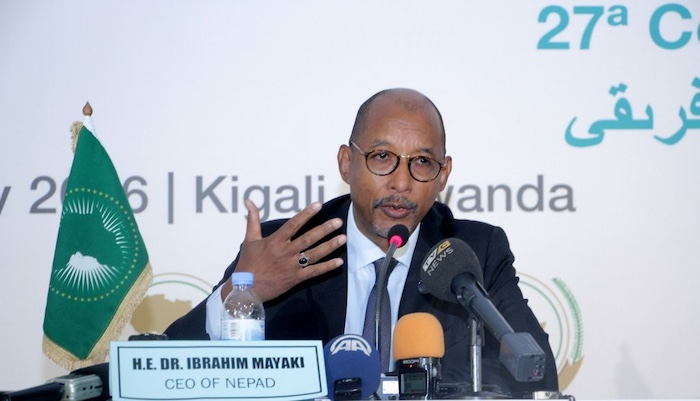
A leading African public health expert, Dr. Mayaka Ma-Nitu, has warned that Francophone Africa is becoming increasingly vulnerable to health emergencies due to chronic underfunding, declining external donor support and weak domestic investment in healthcare systems.
Speaking on the growing crisis in health financing across the continent, Dr. Ma-Nitu said many French-speaking African countries are particularly exposed as they continue to rely heavily on international funding for essential health programmes while struggling to mobilise sufficient domestic resources.
He cautioned that the current financing model threatens the sustainability of critical interventions against HIV/AIDS, tuberculosis, malaria, maternal and child health, as well as routine immunisation programmes, warning that years of public health gains could be reversed if urgent action is not taken.
According to him, shrinking international assistance, coupled with rising fiscal pressures on African governments, has left many health systems unable to adequately prepare for future pandemics or respond effectively to existing health challenges.
Dr. Ma-Nitu stressed the need for governments to increase budgetary allocations to health, strengthen national health insurance schemes and develop innovative financing mechanisms capable of reducing dependence on foreign donors.
He also advocated stronger regional cooperation, arguing that countries with similar health and economic challenges should pool expertise and resources to build more resilient healthcare systems.
His warning comes as African leaders and development partners intensify discussions on sustainable health financing amid growing concerns over reductions in development assistance and competing global priorities. At an Extraordinary African Union Summit in Accra, Ghana, leaders recently called for greater domestic investment in health, warning that declining donor funding could undermine decades of progress against HIV, malaria, tuberculosis and other infectious diseases.
Public health experts have repeatedly argued that health financing is no longer simply a budgetary issue but a strategic investment in national security, economic growth and human development. They note that countries with stronger primary healthcare systems and sustainable financing mechanisms are better positioned to withstand disease outbreaks and other public health emergencies.
Africa’s health sector has historically depended on external funding from multilateral organisations and bilateral development partners to support disease control programmes, vaccination campaigns and health system strengthening. However, changes in global aid priorities and increasing fiscal constraints among donor countries have exposed the vulnerability of many African health systems.
Despite the Abuja Declaration of 2001, in which African governments committed to allocating at least 15 per cent of their national budgets to health, only a handful of countries have consistently approached or met the target. The financing gap has left many nations struggling with inadequate infrastructure, shortages of healthcare workers, limited access to medicines and high out-of-pocket spending by households.
Against this backdrop, Dr. Ma-Nitu’s intervention adds to growing calls for African governments to prioritise domestic resource mobilisation, improve efficiency in health spending and build resilient health systems capable of delivering universal health coverage without excessive dependence on external assistance.
Michael Olugbode
Follow us on: