

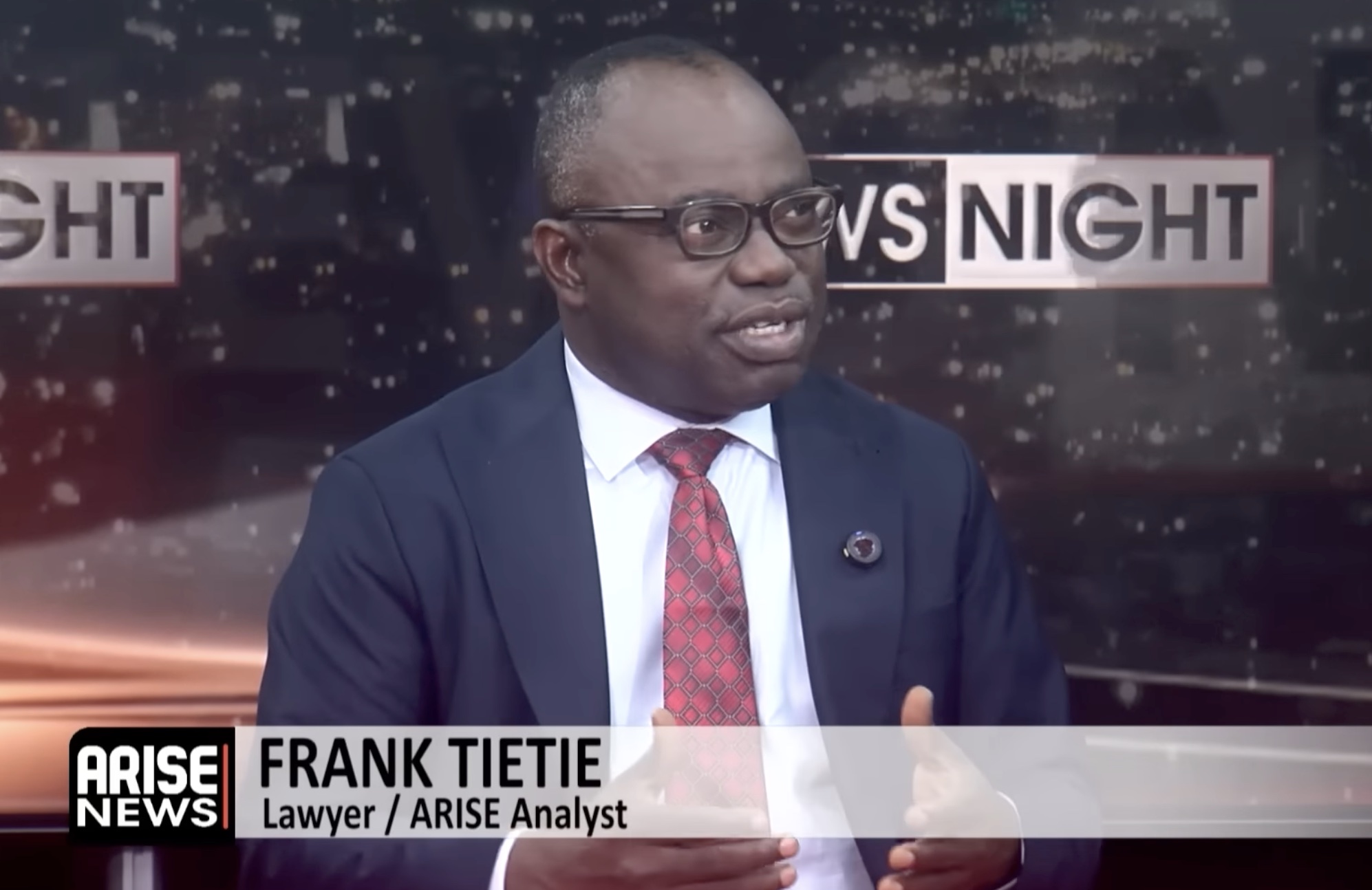
Lawyer and ARISE News analyst Frank Tietie has criticised the nomination and confirmation of Professor Abayomi Fasina as a non-career ambassador, arguing that it was a mistake to put forward his name while sexual harassment allegations against him remain pending before the National Industrial Court.
Speaking during an interview with Arise News on Thursday, Tietie said the Senate ought to have delayed Fasina’s confirmation until the court determines the pending case, maintaining that Nigeria should avoid appointing public officials whose integrity could come under international scrutiny.
“For many reasons. Right. First, it was a mistake to have nominated such a personality that has that kind of baggage because we’re talking about, in diplomatic terms, the plenipotentiary, that is, the president himself in another country.
“You know, we see we’ve had enough scandals associated with governance and, you know, so many things going on. And this is the time to send the right signals.”
Tietie argued that although there has been no court judgment against Fasina, the existence of pending litigation should have been sufficient reason to postpone the nomination.
“You see, it doesn’t matter whether you say that if the report says that he has been cleared because there is no court decision yet. The very fact that he’s tainted to the extent that there are pending issues in the National Industrial Court that are yet to determine the veracity of those claims, I think ought not to really be considered. The Senate ought to have waited.”
He added that Nigeria’s obligations under international conventions protecting women’s rights make such appointments particularly sensitive.
“And this is a country that is a signatory to the Convention on Elimination of Discrimination Against Women… Now, you can’t have an ambassador who is alleged to have violated the principles of the CEDAW or other international instruments that promote women’s rights. So I think it’s a very bad signal, bad representation.”
Tietie further argued that the issue goes beyond legal considerations and reflects on Nigeria’s image abroad.
“We can’t always be presenting the worst of our guys out there as our representatives.”
He warned that the nomination could become an embarrassment if the receiving country declines to accept the ambassador, noting that perception remains important in diplomacy.
Commenting on reports that security agencies had cleared Fasina, Tietie said those findings should not outweigh an ongoing court process.
“No, It doesn’t matter in the face of pending litigations in the court of law. These maybe quasi-judicial enquiries, they don’t really count for, they are largely influenced politically.”
He maintained that integrity should remain a key consideration in public appointments, saying public officials must not only satisfy legal requirements but also meet moral expectations.
“You could be legally correct, but morally wrong. And again, it calls to real question how much attention we give to integrity.”
Turning to the reported distribution of land and cash by Kano State Governor Abba Yusuf to APC polling unit supporters, Tietie described the move as an abuse of office and an attempt to influence future elections.
“I find it very, very outrageous. You know, it’s annoying. It’s abuse of office. It’s undue influence. It is bribery of voters. It is vote buying.”
He called on opposition parties and grassroots civil society organisations in Kano State to resist the allocations through legal means, urging the judiciary to protect the rights of the people..
“I expect the opposition parties to issue the governor a warning that these allocation will be reversed, whether he likes it or not. And I expect civil society actors not the ones in Abuja, not portfolio civil society people, but the ones in Kano, those ones that I know, the grassroots people, should approach the courts and judiciary please stand up and protect the rights of the people.“
Tietie maintained that public office appointments should reflect both legal and ethical standards, arguing that Nigeria’s international reputation depends on the credibility and integrity of those chosen to represent the country abroad.
Ademide Adebayo
Follow us on: