

By Dr. Jumai Ahmadu
Abuja stands today as a compelling symbol of national unity and strategic planning, having evolved from a modest 1976 vision into one of Africa’s fastest-growing cities. Yet no period in its recent history has witnessed the scale and geographical spread of infrastructure delivery recorded under President Bola Ahmed Tinubu’s administration.
The unprecedented 31-day commissioning and flag-off of landmark projects across the Federal Capital Territory represents more than ceremonial activity—it demonstrates government translating policy into tangible development, marking a defining chapter in Abuja’s fifty-year journey.
Infrastructure as Economic Catalyst
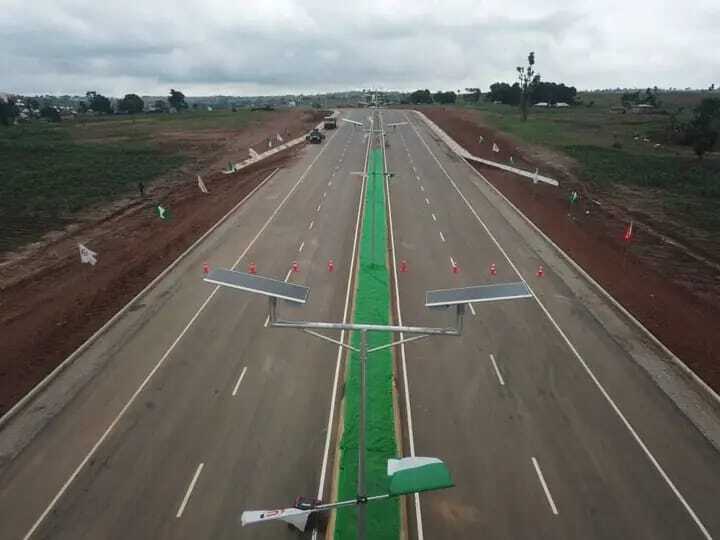
The completion of strategic projects—including the Outer Southern Expressway, Arterial Road N5, the Airport Expressway-Kuje Dual Carriageway, the Katampe District Road Network, and the Karu Water Supply Scheme—has significantly improved connectivity, reduced travel times, lowered transportation costs, and unlocked investment opportunities across the territory.
For thousands of commuters, traders, civil servants, and entrepreneurs, these projects represent increased productivity through reduced congestion and easier access to markets, schools, and healthcare facilities. They equally boost property values, encourage real estate development, and improve the ease of doing business.
Beyond the City Centre
One of the administration’s most remarkable strategies is its deliberate emphasis on extending infrastructure to satellite towns. Communities including Karu, Kurudu, Jikwoyi, Orozo, Kuje, Bwari, and Kwali are increasingly being integrated into Abuja’s economic ecosystem, aligning with the original Master Plan’s vision of inclusive development.
The Karu Water Supply Project is particularly significant, delivering clean water to thousands of households while improving public health, strengthening sanitation, reducing household expenditure, and supporting small businesses.
Employment and Investment
Each project creates direct and indirect employment for engineers, architects, artisans, and suppliers, with deliberate engagement and training of local youths strengthening indigenous technical capacity. As new road corridors open, they stimulate private investment in housing, hospitality, retail, logistics, education, and healthcare, creating vibrant economic clusters.
Strengthening Institutions
Development extends beyond physical infrastructure. The construction of the world-class Court of Appeal Complex, Judges’ Quarters, and related judicial facilities demonstrates commitment to strengthening the rule of law, improving judicial officers’ welfare, enhancing judicial independence, and reinforcing investor confidence in Nigeria’s legal system.
Leadership Driving Transformation
At the national level, President Tinubu’s Renewed Hope Agenda has provided the policy direction, political will, and financial support necessary to accelerate infrastructure delivery. The administration’s emphasis on completing inherited projects and ensuring value for public funds has restored public confidence in governance.
At the forefront of implementation is FCT Minister, Barrister Nyesom Wike, whose hands-on leadership—through frequent project inspections, prompt decision-making, and strict contractor supervision—has transformed the FCT into one of Nigeria’s most active infrastructure development corridors. Working alongside him, Minister of State Dr. Mariya Mahmoud has strengthened institutional coordination through steadfast policy support and stakeholder engagement.
The Federal Capital Development Authority, under Executive Secretary Engr. Richard Yunana Dauda, continues to provide the technical expertise and engineering oversight necessary for world-class infrastructure delivery. The Satellite Towns Development Department deserves special recognition for extending development to communities outside the city centre, reducing the development gap between Abuja’s urban core and its satellite communities.
Building the Next Fifty Years
As Abuja celebrates fifty years, these achievements symbolise the gradual realisation of the founding fathers’ vision—a capital city that is efficient, inclusive, and globally competitive. The Renewed Hope Agenda has demonstrated that when visionary leadership is matched with institutional collaboration, sound planning, and disciplined execution, transformation becomes inevitable.
The legacy of this era will not merely be measured by roads commissioned or buildings constructed, but by millions of lives impacted, businesses empowered, jobs created, institutions strengthened, and confidence restored in government’s ability to deliver meaningful development.
This is the true significance of Abuja’s transformation—a fitting tribute to fifty years of the Federal Capital Territory and a bold affirmation that under President Tinubu’s Renewed Hope Agenda, implemented by Minister Wike with the support of Dr. Mahmoud and the FCTA management, the nation’s capital is steadily evolving into a world-class city worthy of Nigeria’s aspirations.
Dr. Jumai Ahmadu is Director, Reform Coordination and Service Improvement Department, FCTA