
eHealth Africa unveils digital innovations to fight climate change in management of NTD, others

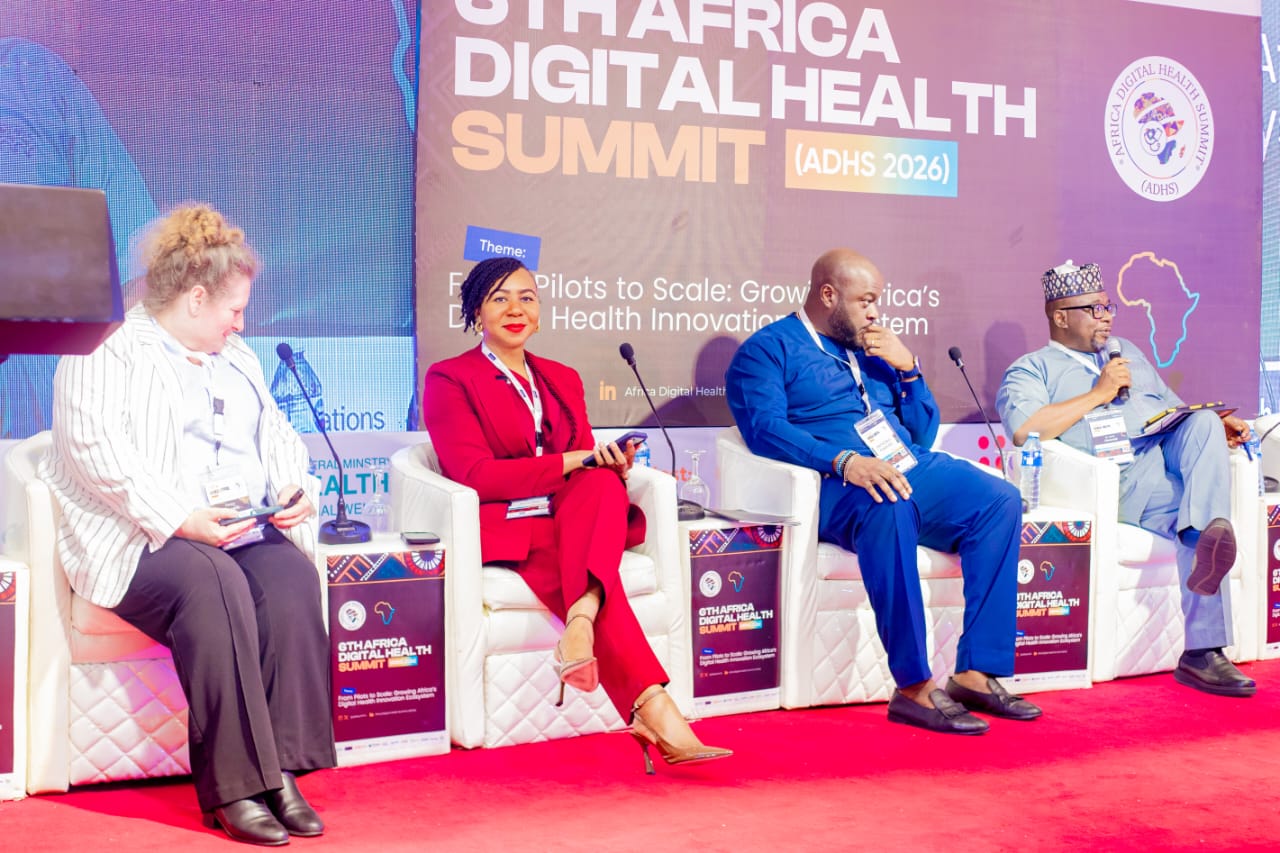
eHealth Africa has showcased practical digital innovations designed to fight climate change and strengthen frontline decision-making in the management of Neglected Tropical Diseases.
The innovations were presented at the just concluded 6th Africa Digital Health Summit (ADHS), themed, “From Pilot to Scale: Growing Africa’s Digital Health Innovation Ecosystem”, in Abuja.
It said the innovations demonstrated how technology can build climate-resilient healthcare systems and improve the management of Neglected Tropical Diseases (NTDs).
eHealth Africa’s Director of Partnerships and Programs, Ota Akhigbe, and the Deputy Director of Partnerships and Programs, Dr. David Akpan, during technical session, on “Building Climate-Health Digital Ecosystems: A Case Study of CHAT,” demonstrated how the Climate Health Vulnerability Assessment Tool (CHAT) enables primary healthcare facilities to assess climate risks.
They also identifed vulnerabilities, and strengthen preparedness for climate-related health threats.
Also, Project Managers of eHealth Africa, Edi Jeremiah and Toju Ogele during the technical session on, “Neglected Tropical Diseases Decision Tree Application: Technical Demonstration and User Validation,” showcased the NTD Decision Tree Application,
They demonstrated how the solution supports frontline health workers through improved clinical decision-making, standardized disease management, and enhanced service delivery.
Reflecting on the discussions at ADHS, eHealth Africa’s Director of Partnerships and Programs, Ota Akhigbe, emphasised that lasting health impact depends on sustained collaboration across governments, funders, implementing partners, innovators, and the private sector.
According to Ota, “Our focus must move beyond implementing projects to strengthening systems.
“Success should be measured not only by what we deliver today, but by whether governments and health workers can sustain these solutions long after programmes and funding have ended.”
She emphasised that sustainability begins when innovation is embedded into government systems, budgets, and everyday healthcare delivery.
“Governments, funders, innovators, development partners, and the private sector all have a role to play, and we share a collective responsibility to build stronger, more resilient health systems,” she added.
Similarly, Deputy Director of Partnerships and Programs, Dr. David Akpan, noted that the conversations on partnership, investment, inclusion, and interoperability will continue through eHealth Africa’s upcoming Insights Learning Forum (ILF).
According to him, “Platforms like the Africa Digital Health Summit, the Insights Learning Forum, and the Africa Health Tech Summit create a continuum for collaboration, shared learning, and collective action to strengthen health systems across Africa.”