

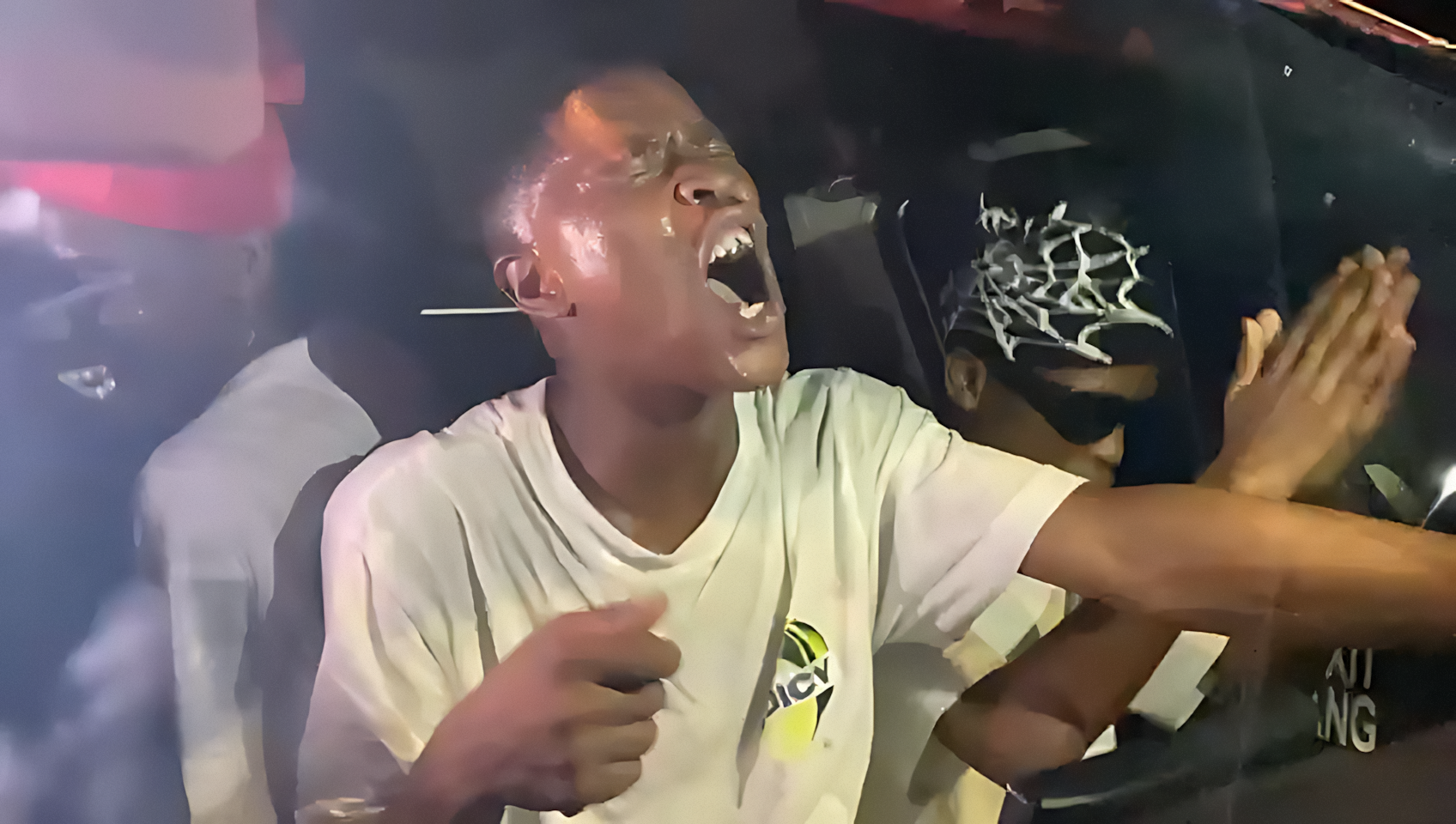
The racist transport protocols of apartheid-era South Africa might not sound like the prelude to a good party. Yet just 40 years, thousands of murders, and one full regime change later, here we are: parked up at the edge of the Durban jungle, listening to gqom in a minibus full of sweating men high on township ecstasy. It’s funny how the world works sometimes.
In the late 1980s, notorious “influx control” laws were brought in to control the movement of black people. Taxis, the country’s primary form of transport, were heavily targeted by a range of measures that made it extremely difficult for black cab drivers to travel freely and earn a living.
Banned from white-only public transport, township residents still needed a way to get around. So taxi companies upgraded their five-person Sedans to Kombi minibuses and kept working illegally. In 1987, deregulation arrived, loosening the limits around mobility. Yet all it did was create an entirely new problem, as the underground taxi network was replaced by a cutthroat system where corruption thrived and competition over routes turned brutally violent.
Watch: XPLOSION: Inside South Africa’s Underground Taxi Raves
Although taxi associations were formed in an attempt to keep order, they invariably fell out and began feuding. Intimidation, targeted killings, and necklacing (a method of execution that involves hanging a tyre around someone’s neck or chest, then setting it on fire) became commonplace. Deaths in the “Taxi Wars” peaked in the late 90s, but the industry remains highly dangerous. Even now, most assassinations in South Africa are related to taxi violence.
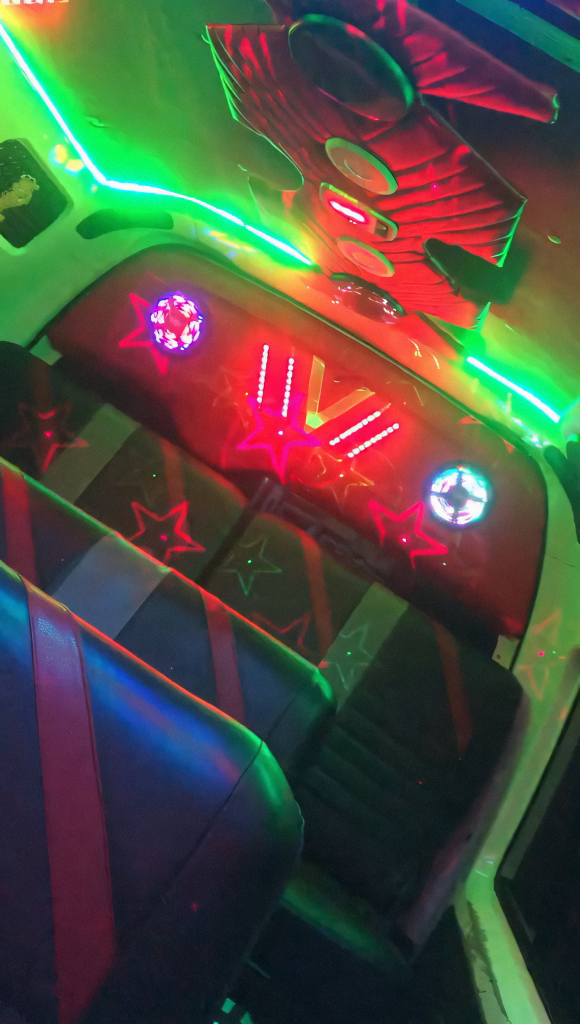
Yet the minibuses are still a vital part of life in South Africa. They remain the country’s dominant means of getting around, moving millions every day. And while it’s rare that a driver isn’t armed with some kind of weapon, most aren’t bloodthirsty warlords, just men trying to feed their families. For the young and the bored, the taxis perform a different function, providing a confined space with a dance floor the size of a phone box where they can listen to music at deafening volume and take umgwinyo: a synthetic drug they use to summon the spirits of the living dead.
“This new nightlife scene is possibly the first to be built around the ritual of trying to get yourself possessed by a ghost while sitting in a Toyota minibus”
“You feel this electricity. You get scared and start thinking, ‘Maybe there’s a ghost here,’” one taxi raver told VICE when we were in Durban filming a new documentary. “The vibe is there. Everyone’s up, everyone’s feeling it… then suddenly, someone starts screaming.”
The events, called Umqhumo (which translates as “explosion”) are held in secret locations where Durban’s humid jungle sprawl meets the Indian Ocean. Taxis line up beside one another in formation, each run by a different team that produces its own music for the night, with a dedicated MC, loyal followers, and a unique banner stuck on the front of its minibus. VICE rode along with Team Orange, hosted by producer Papa J and a lead “party guy” named Junior Mike.
Once the taxi fills up, the doors are shut to trap the sound inside. The mood shifts immediately. Gqom is closer to weaponized sound than conventional club music, a raw noise that came rolling out of the townships on cracked software in the late 2000s. Subwoofers rattle the windows in their frames. The minibus’s suspension dips with the rhythm. The passengers dance until they’re so knackered they have to physically remove themselves from the situation. This new mobile nightlife scene is possibly the first to be built around the ritual of trying to get yourself possessed by a ghost while sitting in a Toyota minibus.
“Sometimes it happens that people do get taken by the ancestors,” says our friend in Team Orange, referring to the figures in Zulu traditional religion that act as intermediaries between mortals and God. “I don’t even like talking about it. It can be scary. But usually we just take them out to get some fresh air for a bit, then head back in.”
It might seem intense, but when the daily grind sees drivers dying over routes, rival associations warring like militias, and everyone forced to contend with corrupt officials and the complicating incursions of Uber, who would deny the taxi men of Durban the chance to blow off a little steam?