

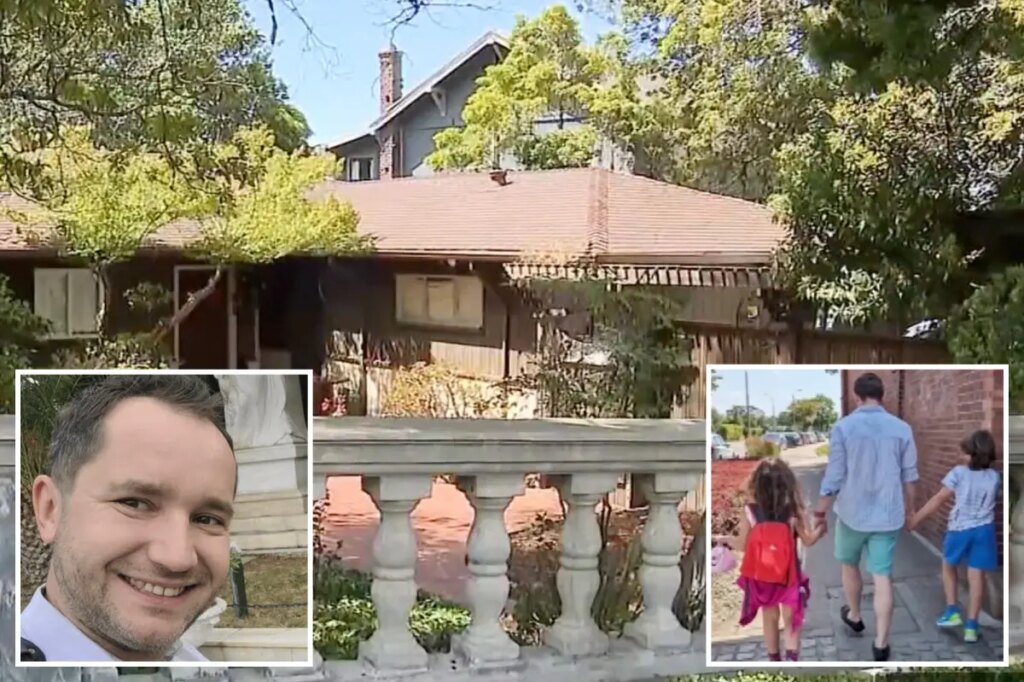
A University of California, Berkeley professor killed in a violent custody dispute in Greece has left behind grieving family members and 11-year-old twin children, while his relatives now face a separate battle in California to remove alleged squatters from his East Bay home.
Przemyslaw Jeziorski was shot and killed in Greece in July during a custody dispute that turned deadly. Authorities say the boyfriend of Jeziorski’s ex-wife later confessed to the killing. His ex-wife, Nadia Michelidaki, later died by suicide in a Greek prison in May.
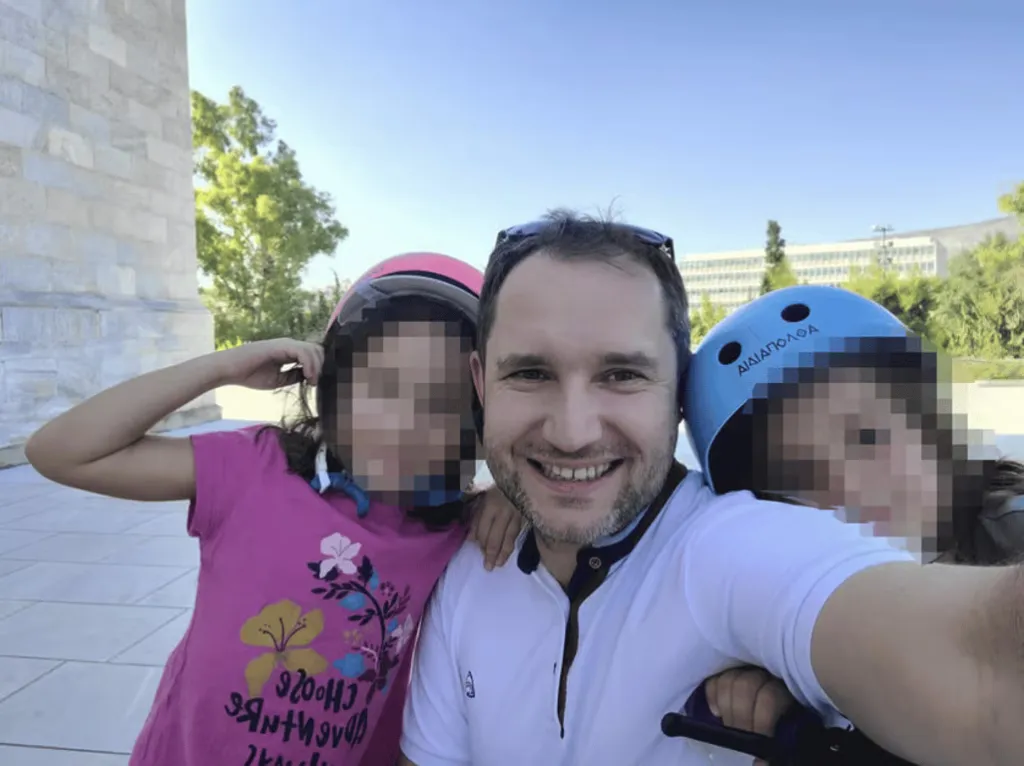
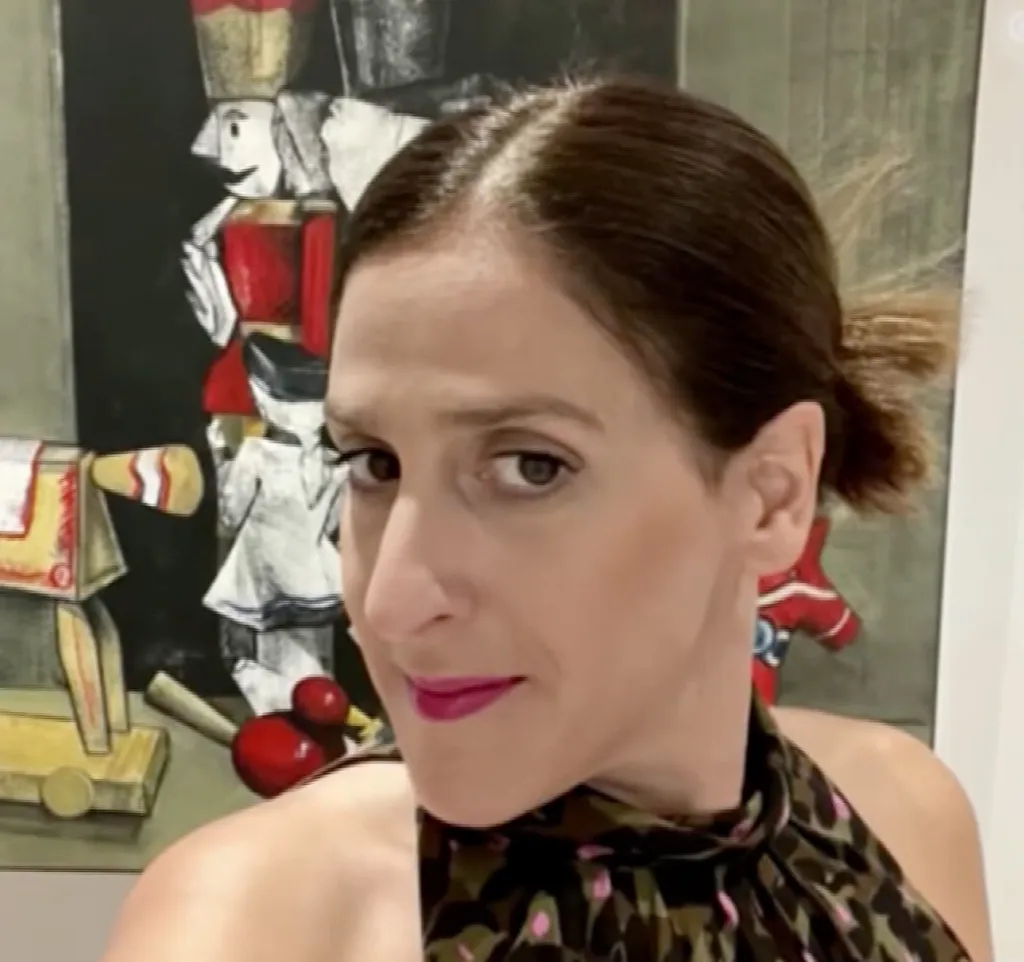
Back in the United States, Jeziorski’s former home in Berkeley, previously used as an Airbnb rental, has become the center of a heated legal fight.
The family says the property is occupied by people who have refused to leave despite repeated eviction efforts.
Court records show the occupants claim they signed a one-year lease with Michelidaki and paid $30,000 upfront.
The family’s attorney, Erinne Stratte, disputes that account, saying Michelidaki was in custody at the time the lease was allegedly signed.
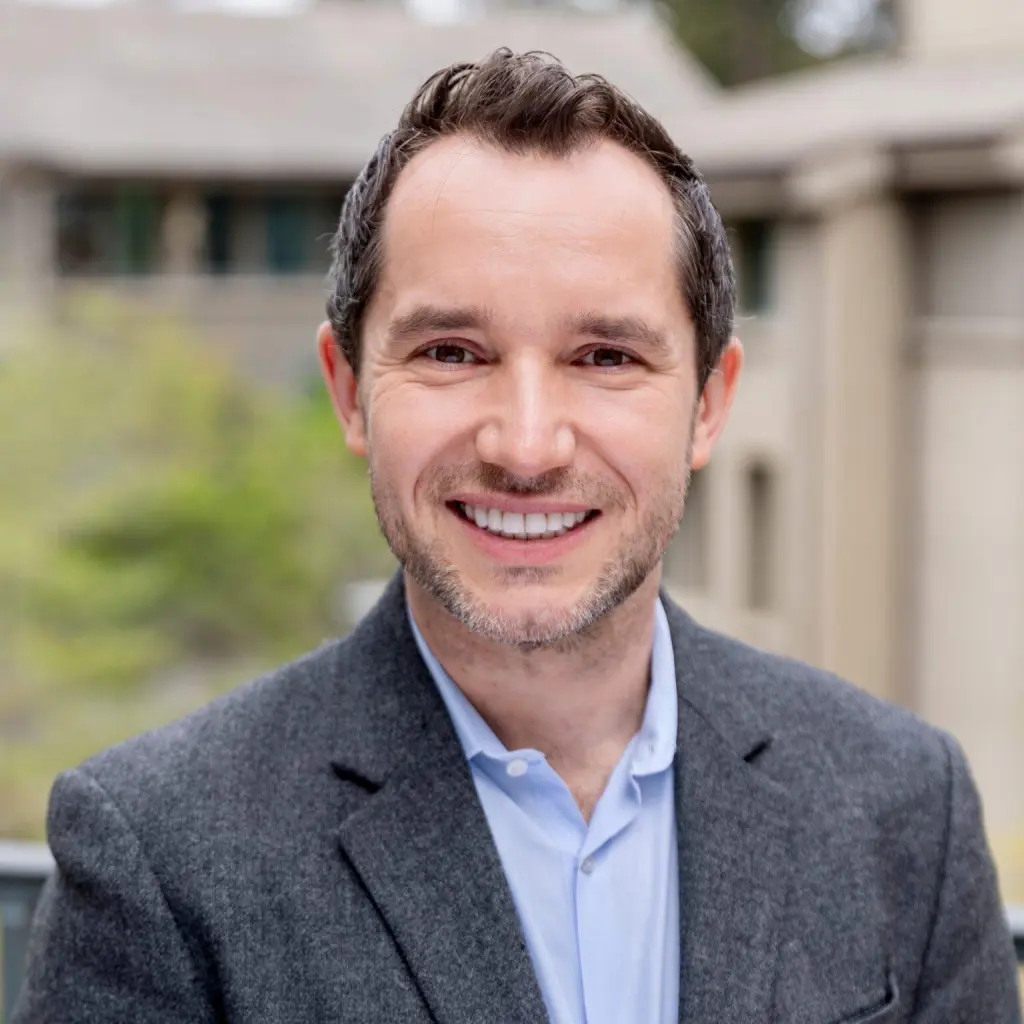
Berkeley police were first called to the property in December after reports of a break-in and possible squatting.
Officers later encountered a woman who insisted she had a valid lease.
Since then, the occupants have remained in the home despite eviction notices and ongoing court proceedings.
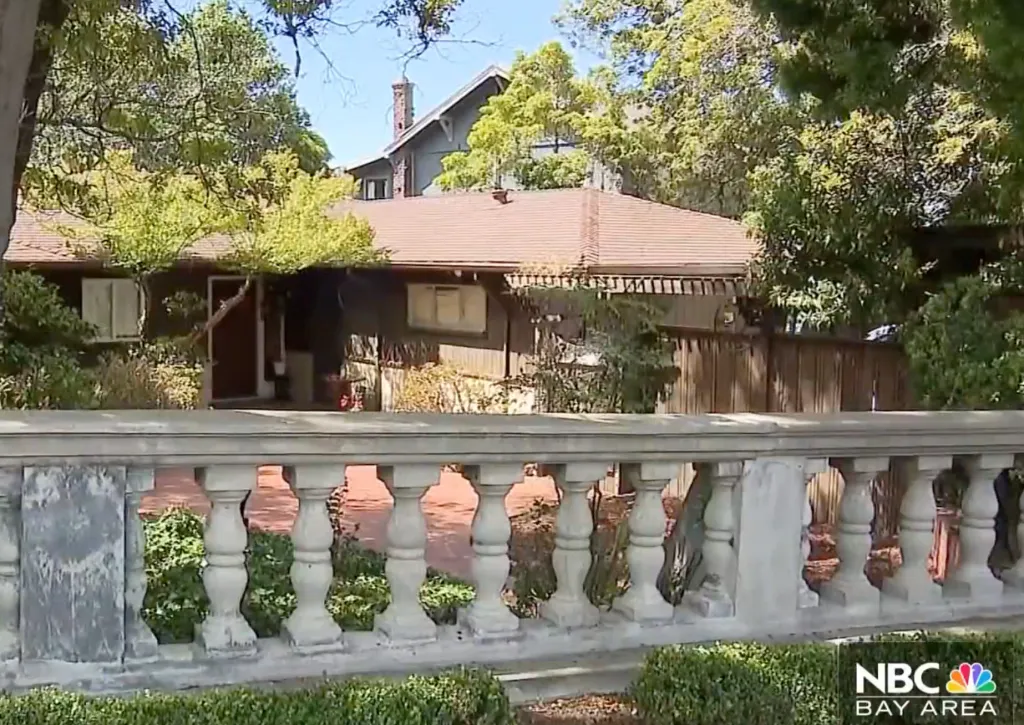
NBC Bay Area reporters who visited the property received no response at the door.
The phone number listed in court documents has been disconnected.
The family also alleges that belongings from the home have been seen being sold at yard sales, though those claims have not been independently verified.
At the center of the dispute is California law, which in many cases treats long-term occupants as civil tenants rather than immediate trespassers once they remain in a property for an extended period, often around 30 days.
That shift can move disputes out of the criminal system and into civil eviction court, which can take months and require extensive legal steps.
This legal structure, seen more often in Democratic-led states like California, New York, and other left-leaning states with strong tenant protections, can make it extremely difficult for property owners to quickly remove occupants even when ownership or lease validity is disputed.
Stratte said the system leaves homeowners stuck in prolonged legal battles even when they believe a property has been taken over unlawfully.
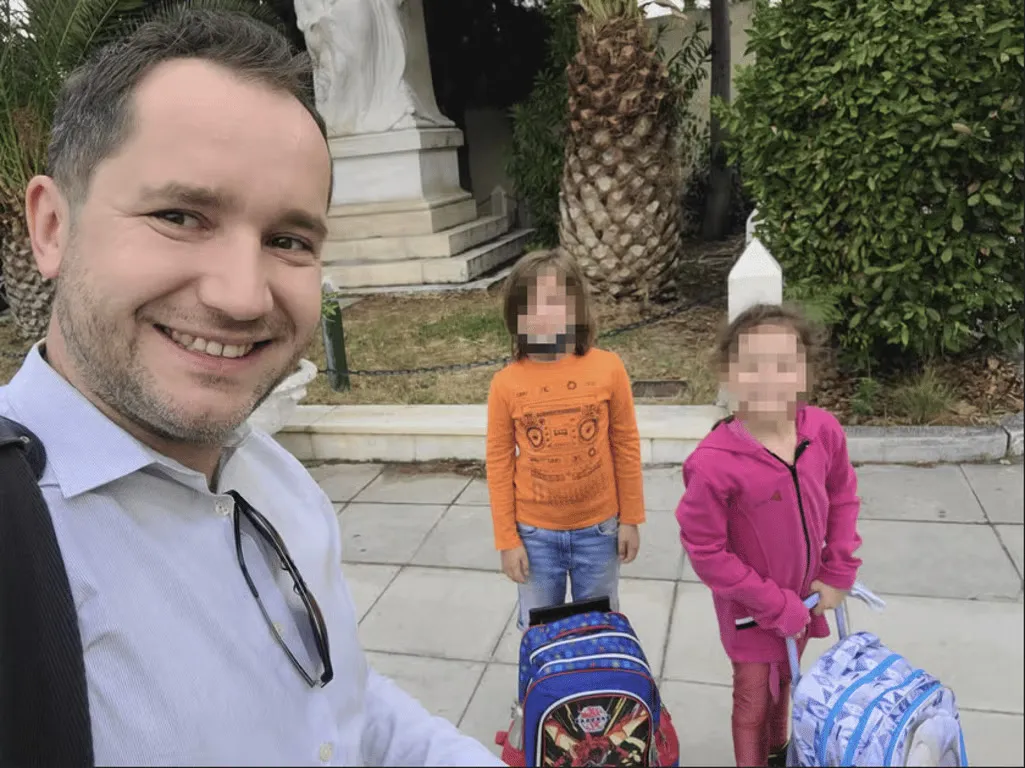
Jeziorski’s brother, Lukasz Jeziorski, is now raising the professor’s twin 11-year-old children while continuing to pay the mortgage on the Berkeley home, which the children are expected to inherit.
“They are stealing from the two orphans,” he told NBC. “If you ask me what I think about them, I feel nothing good. I feel that they are very bad people.”
The situation has drawn attention to recent efforts to adjust state law, including SB 1303, which was passed to speed up removal of unauthorized occupants in certain residential cases by streamlining parts of the eviction process.
Law enforcement in some areas has also become more willing to pursue criminal trespass charges when there are allegations of break-ins, forced entry, or fake leases, particularly when property owners act quickly before occupants can establish long-term residency.