

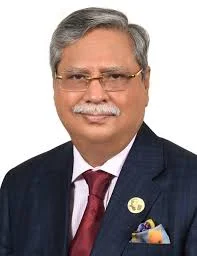
Bangladesh President, Mohammed Shahabuddin, has resigned from official duties over health concerns ending his tenure amid sustained political pressure.
Shahabuddin, who assumed the role following the ouster of former Prime Minister, Sheikh Hasina, submitted his resignation letter to the Parliament Speaker, Hafiz Ahmad, bringing to a close his presidency less than two years after assuming office, the speaker accepting the resignation and later confirmed the development during a news briefing.
Following the development on Friday, local media reports suggested that the president’s resignation was influenced by mounting pressure from the incumbent government.
The reports alleged that Shahabuddin came under scrutiny after he reportedly held a telephone conversation with Hasina while receiving medical treatment in London in May.
Shahabuddin, who was appointed during Hasina’s administration, was widely regarded as one of her closest political allies. Following Hasina’s ouster in August 2024, he became a target of criticism from the student-led movement that spearheaded the nationwide protests against her government.
The protesters accused him of remaining loyal to the former prime minister despite the change in government, branding him a collaborator and repeatedly demanding his resignation and arrest as part of efforts to dismantle the remnants of Hasina’s administration.
Bangladesh’s political landscape shifted significantly after a new government led by Tarique Rahman, son of former Prime Minister Khaleda Zia and Hasina’s longtime political rival, secured a landslide victory in the February general election. Rahman’s administration assumed office after 18 months of interim rule headed by Nobel Peace Prize laureate Muhammad Yunus.
Hasina resigned and fled to India in August 2024 after weeks of anti-government demonstrations brought an end to her 15-year rule. Since leaving office, she has remained critical of the interim administration led by Yunus, accusing it of mishandling the country’s democratic transition and governance.