

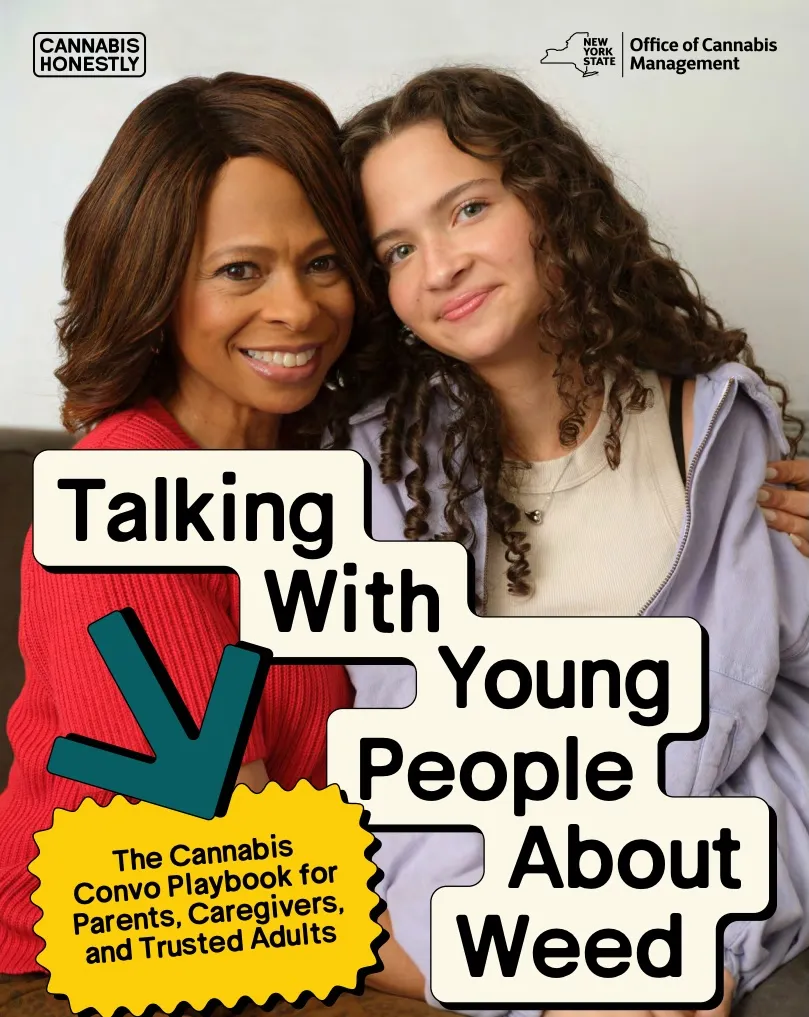
We are at an “I-told-you-so moment.” That’s what New York state Conservative Party Chairman Gerard Kassar told The Post last week in response to the new guide, “Talking With Young People About Weed.” Kassar couldn’t be more right. State officials, apparently, have finally realized the negative consequences of their decision to legalize cannabis for recreational use five years ago.
Emergency-room visits have skyrocketed, as have pediatric poisonings. Hospital visits involving cannabis and children under age 5 rose more than 1,600% since 2016.
“Anyone who uses cannabis frequently over time is at risk for developing Cannabinoid Hyperemesis Syndrome,” the guide warns, which includes “severe abdominal pain, persistent nausea, and repeated vomiting.” And those are just the temporary effects. Cannabis Use Disorder has been linked to higher rates of psychosis, suicidal ideation, panic attacks and other mood disorders, particularly among teens and young adults. This is even more of a problem because many teens have gotten the idea cannabis will help them with mental-health challenges and start self-medicating for depression and anxiety. The result is often an increase in those problems.
Using weed has resulted in underperformance in school and behavior problems, not surprisingly. In the immediate aftermath of legalization in New York incidents involving illegal drugs, drug paraphernalia, alcohol and unauthorized use of possession of controlled substances or prescription medications increased 17% in the 2022-2023 school year compared to the year before. A recent Wall Street Journal article reported that DeWitt Clinton High School in The Bronx “has limited the kind of food students are allowed to bring because teens were smuggling THC edibles in with their lunch and snacks.”
How did we get here? It is worth understanding how warnings about these problems went unheeded. In 2017, Gov. Andrew Cuomo resisted pressure to approve recreational marijuana. At the time, he said, “It’s a gateway drug, and marijuana leads to other drugs and there’s a lot of proof that that’s true.” He acknowledged, “There’s two sides to the argument. But I, as of this date, I am unconvinced on recreational marijuana.”
Like many parents and policymakers, Cuomo was focused on the idea that marijuana was harmless but that it could lead to other drugs that were harmful. As it turned out, the cannabis that is sold today is much more powerful than anything Cuomo and his friends might have smoked in high school. The problem is not just the other drugs weed might lead you to. It’s the actual weed.
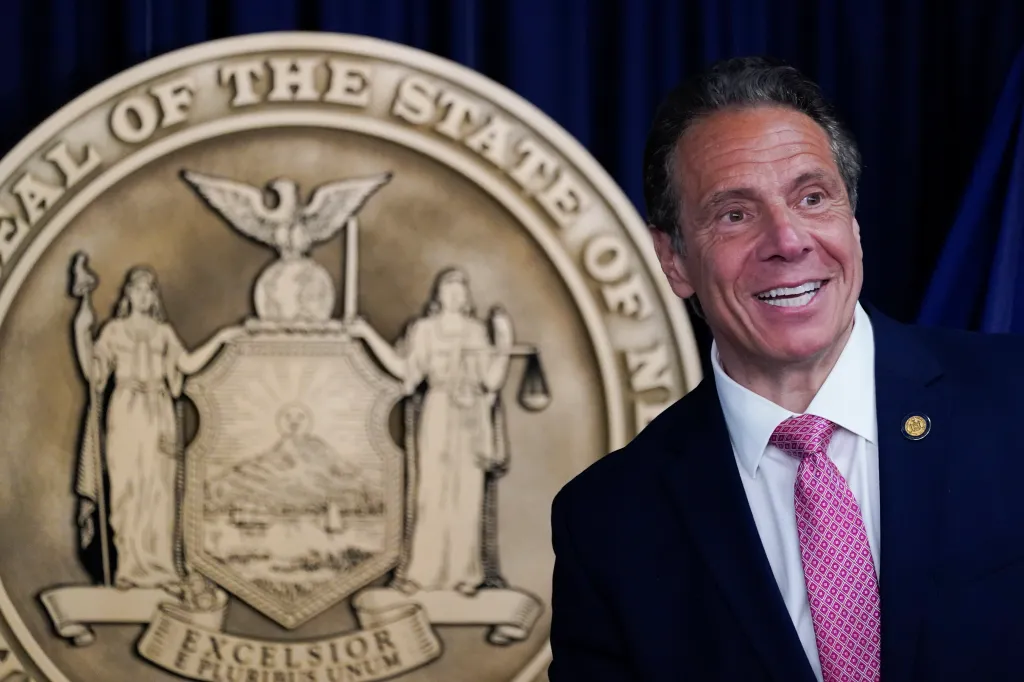
But Cuomo and the other leaders opposed to recreational pot started to crack under pressure. Among other things, Big Cannabis started spending a lot of money lobbying governments. And New York’s politicians also got greedy about the tax dollars they could get from legalizing weed. In 2020, Cuomo announced that we needed more research. “The federal government failed Americans with opioids, and we cannot allow that to happen with cannabinoids,” Cuomo said in the State of the State address. “There is a dearth of independent research on the science, the safety risks, and the dangers/benefits associated with its potential use.”
As it turns out there was plenty of research at the time. But even if the research wasn’t clear, why would the answer be to go ahead and legalize? And yet a year later, the governor was convinced.
Of course, he didn’t actually say that. Instead, what he said when he signed the legislation was, “This is a historic day in New York — one that rights the wrongs of the past by putting an end to harsh prison sentences, embraces an industry that will grow the Empire State’s economy, and prioritizes marginalized communities so those that have suffered the most will be the first to reap the benefits.”
In other words, the goalpost moved from “cannabis is not safe” to “we don’t know whether cannabis is safe” to “we don’t care whether cannabis is safe because we are pursuing some misguided policy to right past wrongs.”
Of course, it hasn’t done that either. A recent meta-analysis found that “cannabis use among African Americans/Black individuals is linked to other drug use … showing heavy rates of cannabis and tobacco co-use and cannabis and alcohol co-use relative to other racial/ethnic groups.” Another study found the places with the highest concentration of dispensaries in New York City “tend to be urban areas with clusters of Black and Hispanic residents.” In other words, legalization is having a disproportionately negative impact on the people it was intended to help.
Legalization has turned into a disaster for young people in New York, who are being hospitalized for both accidental and intentional ingestion. They are suffering academically and experiencing a lack of motivation to work. Even the New York Times editorialized a few months ago that legalization has not lived up to its advocates’ promises and that America “has a marijuana problem.” One hopes that New York officials will reverse course. In the meantime, all we can say is: Told you so.
Naomi Schaefer Riley is a senior fellow at the American Enterprise Institute.