

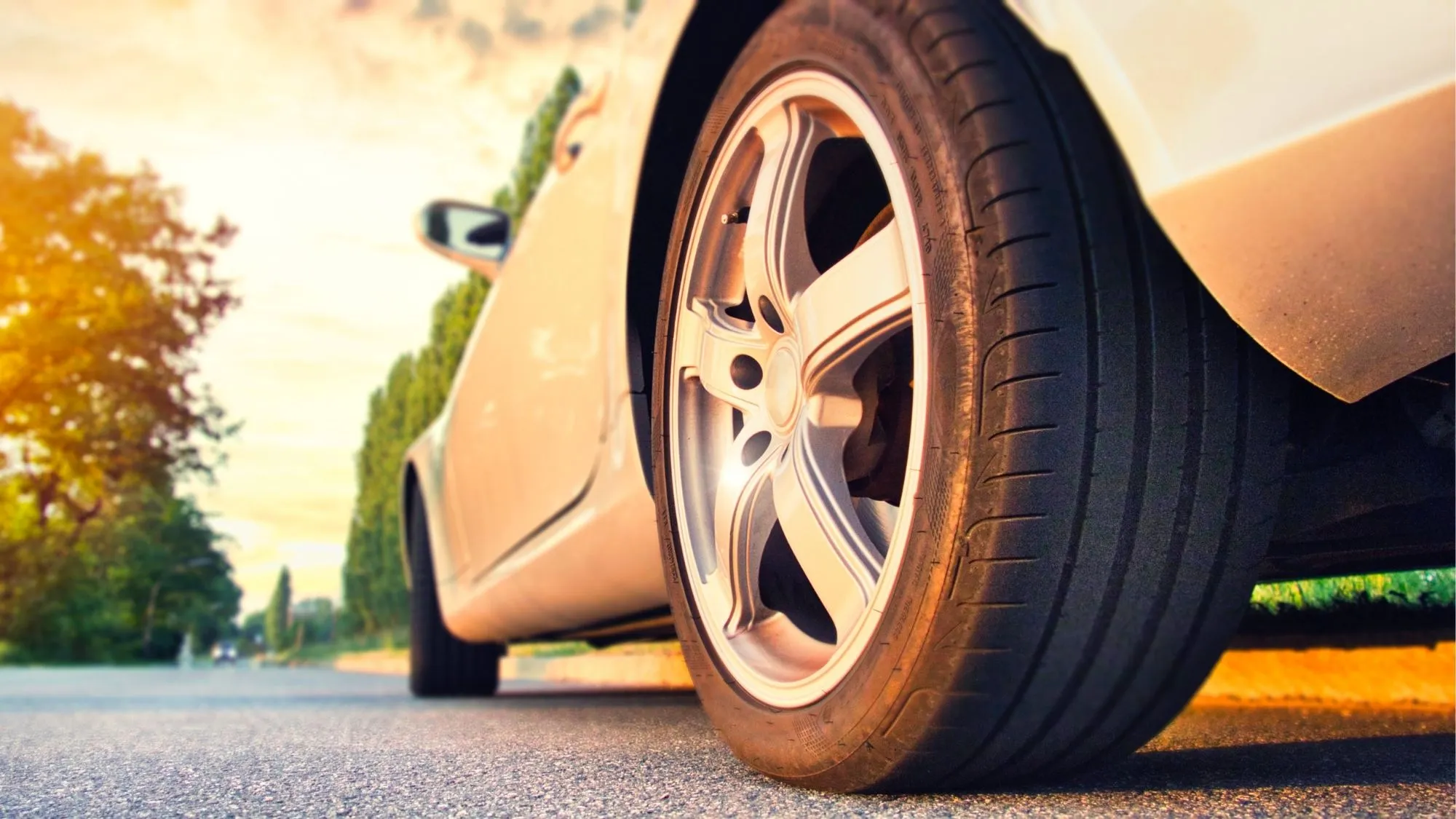
If at some point in your life you develop Alzheimer’s, you may one day be able to heap a fair share of the blame on your car tires. That isn’t a conclusion scientists are fully ready to make, but according to a new study published in Open Medicine, it’s a possibility.
The problem isn’t the tires themselves, but that a chemical in them, 6PPD, reacts with ozone in the air to create a chemical called 6PPD-quinone, or 6PPD-Q. Every mile driven sheds tiny tire particles, creating a pollutant that’s already been found in road dust, rivers, soil, human blood, urine, spinal fluid, and the brains of laboratory mice—basically everywhere.
Your Car Tires May Be Releasing a Chemical Linked to Alzheimer’s
Using machine-learning models and existing genetic data, researchers mapped how 6PPD-Q could interact with proteins involved in Alzheimer’s disease. What happens when 6PPD-Q disrupts a system is similar to the disruptions caused by neurodegenerative diseases: oxidative stress, inflammation, and a breakdown of communication between brain cells.
Before anyone starts definitively blaming the morning commute for dementia, keep in mind that this study didn’t test people or animals. It was all AI-driven simulations and calculations using previously collected datasets. The best way to interpret all this is to think of it as the computational models finding some credible evidence, but it’s not definitive proof that breathing in tire-infused air will cause Alzheimer’s.