
World’s top 10 military powers by defence spending in 2025: US tops, China 2nd, check where India ranks

 1 / 10
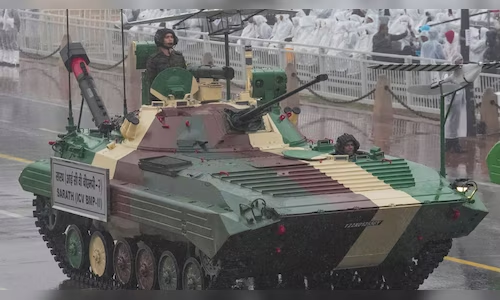
1. United States | The US remained the world’s largest military spender in 2025, allocating approximately $954 billion to defence. Despite retaining the top position, US military spending fell by 7.5% compared to 2024, largely because no new military aid package for Ukraine was approved during the year. Even so, investments continued heavily in both conventional and nuclear capabilities to maintain military dominance and deter China in the Indo-Pacific. SIPRI notes that the decline is likely temporary, and US defence spending is expected to rise sharply again in 2026. (Image: AI-Generated)
 2 / 10
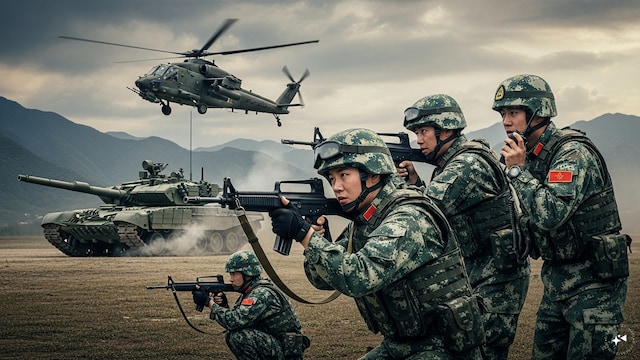
2. China | China ranked second globally with military expenditure of $336 billion in 2025. The country increased spending by 7.4%, marking its 31st consecutive year of annual military budget growth. Beijing continues to modernise its armed forces, investing in advanced naval assets, missiles, aircraft, cyber capabilities, and emerging technologies. China’s sustained defence expansion reflects its ambition to strengthen regional influence and enhance military preparedness amid growing strategic competition in the Indo-Pacific. Its defence budget remains the largest in Asia and accounts for a substantial share of regional military spending. (Image: AI-Generated)
 3 / 10
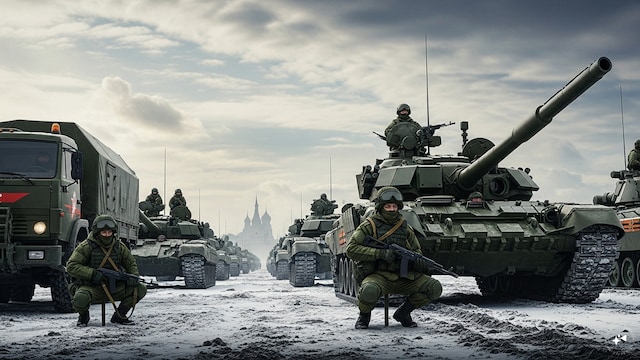
3. Russia | Russia was the world’s third-largest military spender in 2025, with defence expenditure reaching $190 billion, a rise of 5.9% over the previous year. The ongoing conflict in Ukraine continues to drive military spending, with defence accounting for a significant share of Russia’s economy. According to SIPRI, Russia’s military burden stood at 7.5% of GDP, one of the highest among major economies. Rising revenues from oil exports may allow Moscow to sustain or even increase military expenditure if the war continues into the coming years. (Image: AI-Generated)
 4 / 10
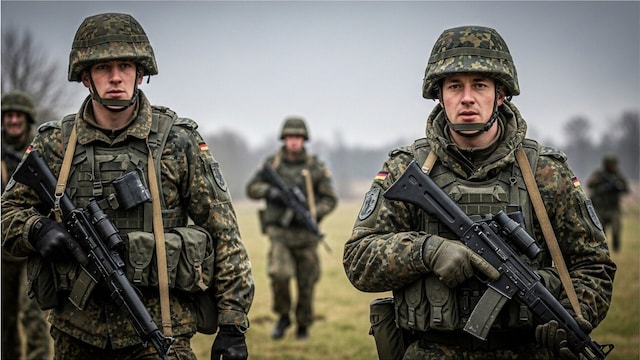
4. Germany | Germany emerged as Europe’s largest military spender in 2025, investing $114 billion in defence after a substantial 24% increase. The rise reflects Berlin’s efforts to strengthen military readiness amid heightened security concerns across Europe. Germany’s military burden crossed 2% of GDP for the first time since 1990, reaching 2.3%. Increased defence spending has been driven by NATO commitments, military modernisation programmes and Europe’s broader push for greater self-reliance in security matters as geopolitical tensions continue to rise. (Image: AI-Generated)
 5 / 10
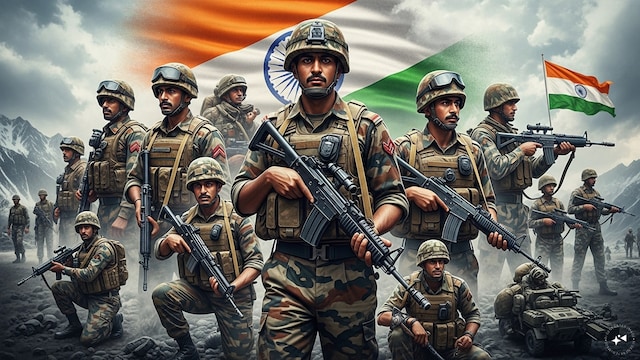
5. India | India ranked fifth among the world’s largest military spenders in 2025, with expenditure rising 8.9% to $92.1 billion. The increase reflects India’s focus on modernising its armed forces, improving border security and boosting domestic defence manufacturing. As regional security challenges evolve, New Delhi has continued investing in advanced military platforms while promoting indigenous production under its self-reliance initiatives. India remains the largest military spender in South Asia and significantly outspends neighbouring countries. (Image: AI-Generated)
 6 / 10
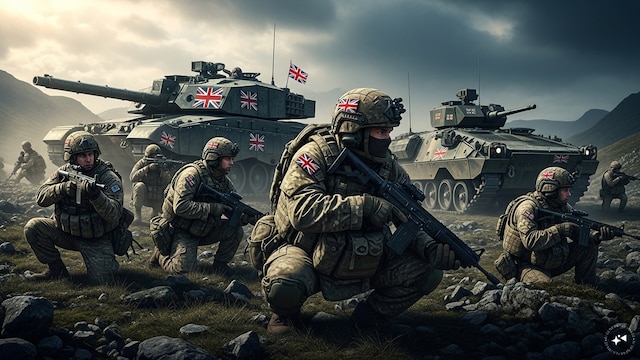
6. United Kingdom | The UK occupied the sixth position in the global rankings despite recording a 2% decline in military spending during 2025. British defence expenditure stood at $89 billion, supporting a military that remains active across multiple regions of the world. The UK continues to invest in modernising its armed forces, maintaining its nuclear deterrent and meeting NATO commitments. (Image: AI-Generated)
 7 / 10
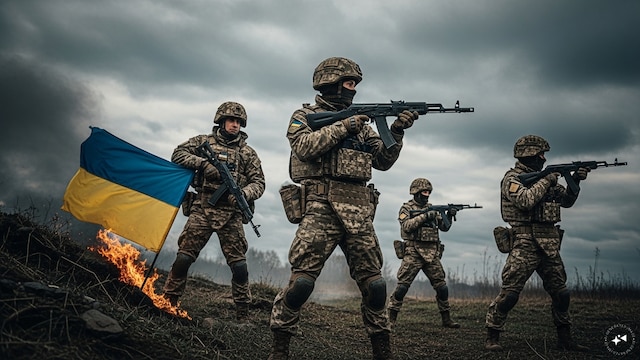
7. Ukraine | Ukraine became the world’s seventh-largest military spender in 2025, increasing defence expenditure by 20% to $84.1 billion. The ongoing war with Russia has forced Kyiv to devote enormous resources to military operations and national defence. SIPRI estimates that military spending accounted for around 40% of Ukraine’s GDP, one of the highest military burdens recorded globally. Continued financial support from international partners and expected European Union assistance could help sustain Ukraine’s defence efforts as the conflict enters another challenging phase. (Image: AI-Generated)
 8 / 10
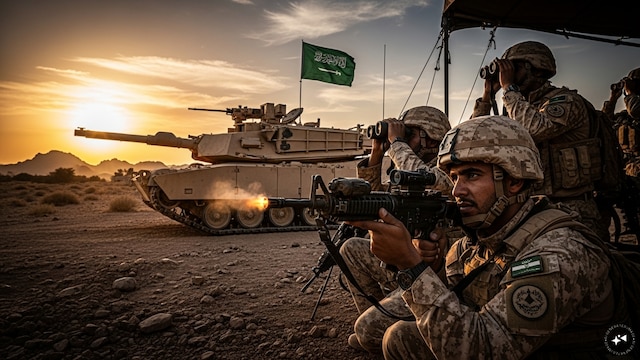
8. Saudi Arabia | Saudi Arabia ranked eighth globally with military expenditure of $83.2 billion in 2025. Defence spending rose by 1.4%, reflecting the kingdom’s continued focus on maintaining strong military capabilities amid regional rivalries and security concerns. Saudi Arabia has long been one of the world’s largest importers of military equipment and continues to invest heavily in defence modernisation. Its substantial budget underscores the strategic importance placed on national security and regional influence within an increasingly complex Middle Eastern security environment. (Image: AI-Generated)
 9 / 10
9. France | France retained its place among the world’s leading military spenders, allocating $68 billion to defence in 2025. Military expenditure increased by 1.5%, supporting ongoing modernisation programmes across the armed forces. France maintains a global military presence, a nuclear deterrent and advanced defence industries that contribute to its strategic influence. The country continues to strengthen its military capabilities while playing a central role in European security initiatives, particularly as Europe responds to growing geopolitical uncertainties. (Image: AI-Generated)
 10 / 10
10. Japan | Japan completes the top ten list with military spending of $62.2 billion in 2025, an increase of 9.7 % from the previous year. Defence expenditure reached 1.4% of GDP, the highest level recorded since 1958. Rising tensions in East Asia and concerns over regional security have encouraged Tokyo to strengthen its military capabilities. Japan’s growing defence budget reflects a significant shift in security policy as it invests in advanced technologies, missile defence systems and stronger deterrence measures in an increasingly uncertain regional environment. (Image: AI-Generated)