
This Week in History (June 7-13): Alan Turing is born, Kuwait gains independence, and more

Mankind has existed for hundreds of thousands of years, but some moments have left a bigger mark than others. In this series, we look back at key defining events and interesting developments from the past that continue to shape how we move through the world today. Take modern computing, for example. Much of the digital world we take for granted today can trace its roots to the work of Alan Turing, whose birth anniversary falls this week. This week also marks anniversaries of Ronald Reagan’s famous Berlin Wall speech, the publication of the Pentagon Papers, and other defining political, technological, and cultural turning points.
3 Min Read
 1 / 7
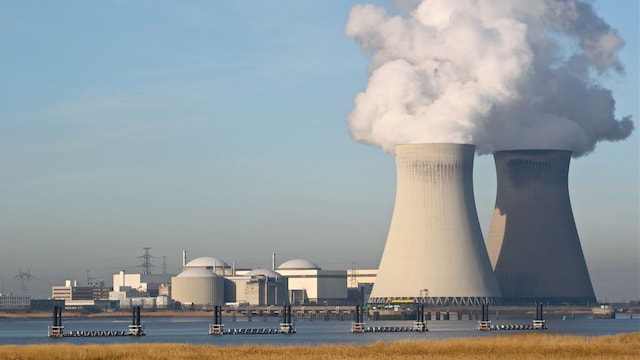
1 / 7June 7, Sunday | On this day in 1981, Israel launched Operation Opera, an airstrike that destroyed Iraq’s Osirak nuclear reactor near Baghdad. Israel argued the reactor posed a future security threat, while critics condemned the attack as a violation of international law. The strike remains one of the most cited examples of a pre-emptive military operation. (Image: Canva)
 2 / 7
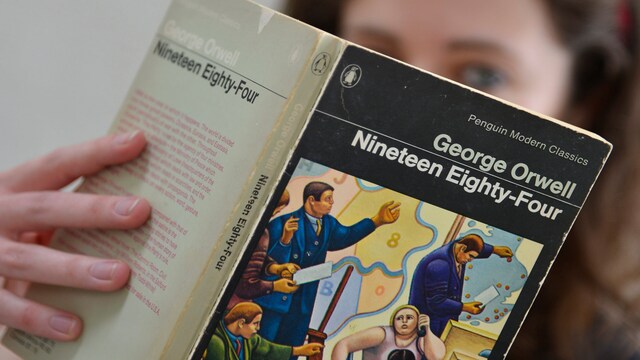
2 / 7June 8, Monday | On this day in 1949, George Orwell’s Nineteen Eighty-Four was published. The dystopian novel introduced terms such as “Big Brother” and “thoughtcrime” into popular vocabulary and remains one of the most influential and political works of the 20th century. (Image: Reuters)
 3 / 7
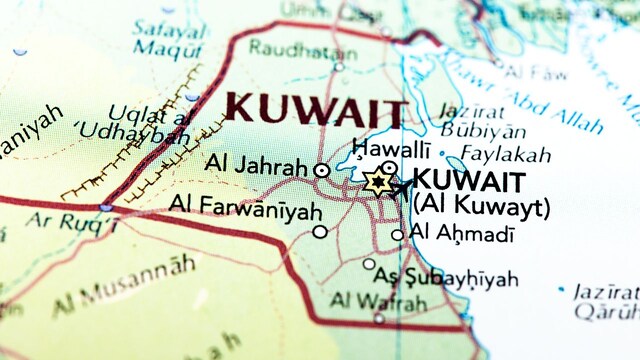
3 / 7June 9, Tuesday | On this day in 1961, Kuwait gained independence from Britain after nearly six decades as a British protectorate. The move transformed the small Gulf sheikhdom into a sovereign state and laid the groundwork for its emergence as one of the world’s wealthiest oil exporters. (Image: Canva)
 4 / 7
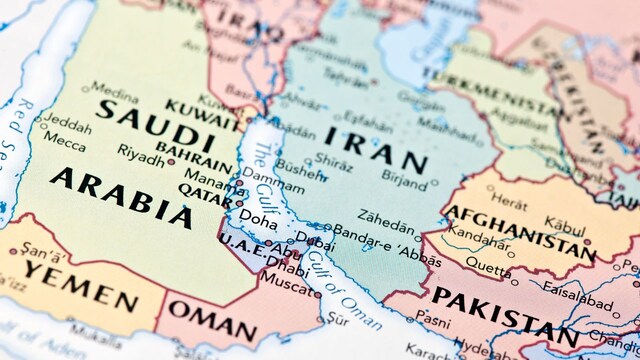
4 / 7June 10, Wednesday | On this day in 1967, the Six-Day War came to an end. After six days of fighting, Israel had captured East Jerusalem, the West Bank, Gaza, the Sinai Peninsula, and the Golan Heights. The war dramatically reshaped the Middle East, and its consequences remain central to regional geopolitics today. (Image: Canva)
 5 / 7
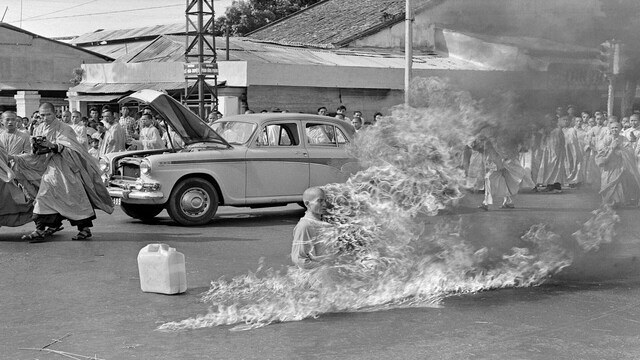
5 / 7June 11, Thursday | On this day in 1963, Thich Quang Duc set himself on fire at a busy intersection in Saigon to protest the South Vietnamese government’s treatment of Buddhists. Images of the act circulated worldwide and became one of the most powerful symbols of political protest in the 20th century. (Image: WikiMedia Commons)
 6 / 7
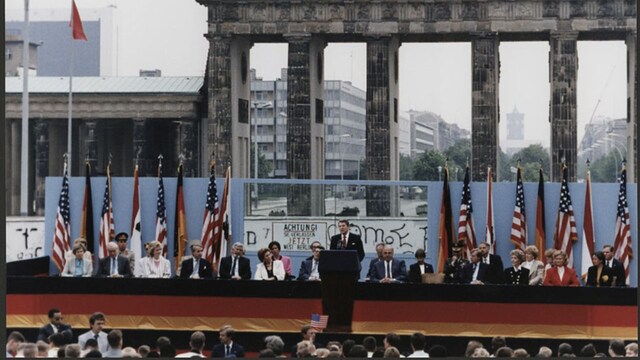
6 / 7June 12, Friday | On this day in 1987, Ronald Reagan delivered his famous speech at the Brandenburg Gate in West Berlin, challenging Soviet leader Mikhail Gorbachev to “tear down this wall.” The speech became one of the defining moments of the late Cold War and is often associated with the eventual fall of the Berlin Wall two years later. (Image: National Archives)
 7 / 7
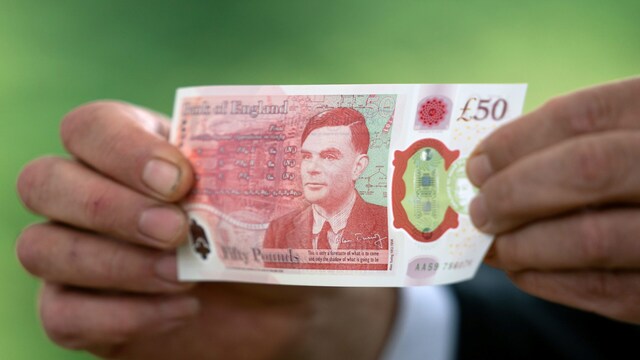
7 / 7June 13, Saturday | On this day in 1912, Alan Turing was born in London. Widely regarded as one of the fathers of computer science and artificial intelligence, Turing’s work helped crack Nazi Germany’s Enigma code during World War II and laid the foundations for modern computing. Pictured above is a £50 note featuring Turing that entered circulation in 2021. (Image: Reuters)