

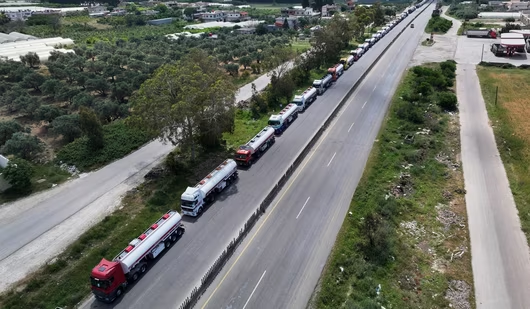
These days the 860km-long road from Ramadi in Iraq to western Syria is lined with lorries heaving with oil. They rumble past ancient ruins and deserted villages before emptying their tanks at the Baniyas terminal on Syria’s Mediterranean coast. They then return to Iraq to fill up and make the journey again (see map).
The closure of the Strait of Hormuz means the oil giants of the Middle East are scrambling for new routes to get their product to global markets. Saudi Arabia, the second-largest oil producer in the world, is relying on an existing pipeline to the Red Sea. The United Arab Emirates is expanding an outbound line to the Gulf of Oman. But Iraq, which is the world’s sixth-largest producer, has been stymied by geography. It is frantically searching for a way to shift its 4m barrels of oil a day.The current answer is Syria.