

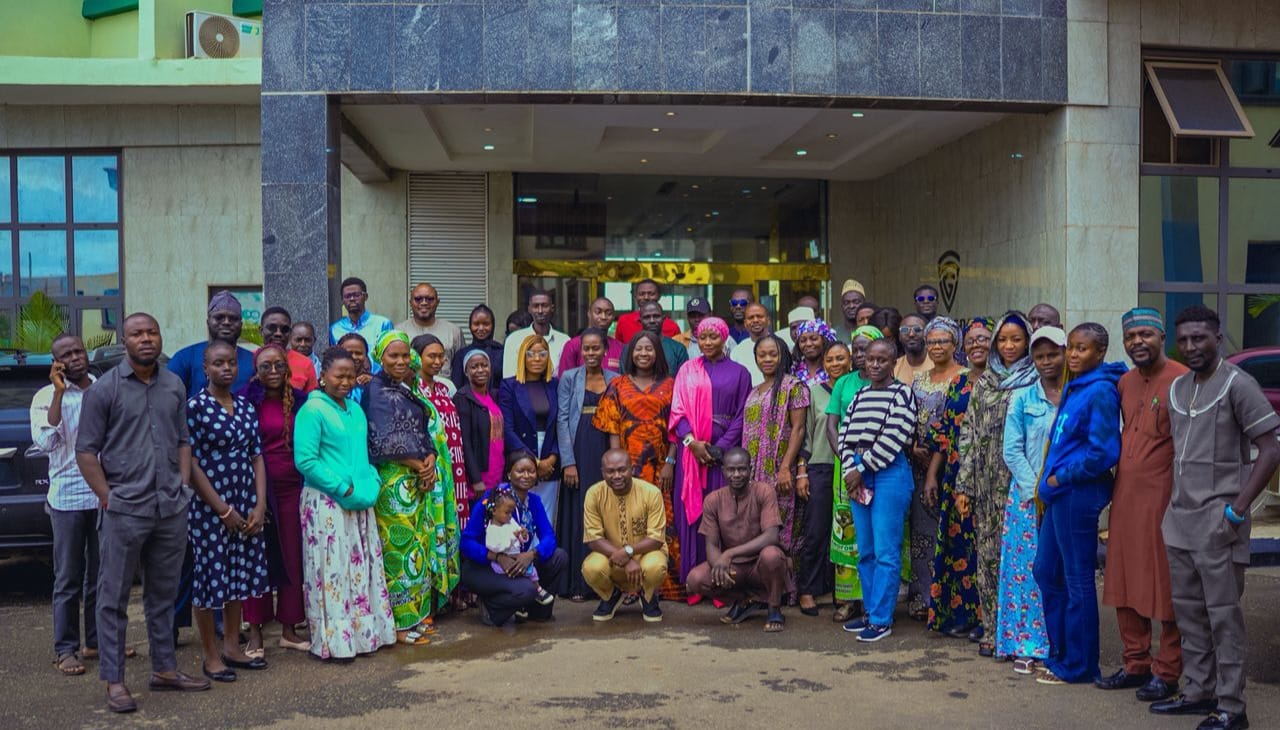

Stakeholders in Nigeria’s agricultural sector have called on the government to address the challenges facing young farmers and women involved in agriculture, particularly in the area of funding and sustainable farming practices.
The programme officer, YouthHubAfrica, Peter Ogah, lamented that many young people who venture into farming today struggle to recover even half of their investment after harvest because the cost of production is extremely high.
He noted this at the one day high level dialogue FCT Multi-Stakeholder Agroecology Network and Market Systems, organised by YouthHubAfrica in collaboration with ActionAid Nigeria on Thursday in Abuja
According to him, inadequate funding was one of the major obstacles preventing young people from fully engaging in the sector.
He said civil society organisations, non-governmental organisations (NGOs), and international NGOs had continued to provide support through training programmes and interventions.
He said YouthHubAfrica, with support from ActionAid and other partners, had implemented agroecology training programmes for young people.
Also, an agri-tech expert, Goodness Ofido, noted that while awareness campaigns were essential, adequate funding remained a key requirement for the successful adoption and expansion of agroecological practices across the country.
Responding to concerns about financing climate-related interventions and sustainable agricultural systems, she stressed that no development initiative can thrive without sufficient financial support.
“Funding is an essential part of this process. We want to call on stakeholders, governments, development partners, and every other actor within the system who can provide funding to support organisations that are driving this change and impact,” she stated.
According to her, educating farmers, youths, and community members on the benefits of sustainable agricultural practices will create a network of informed individuals who can further spread the message.
Also, the Principal Youth Development Officer, Ministry of Youth Development, Maryam Ndayako said young people constituted a significant proportion of Nigeria’s population and are critical drivers of agricultural transformation, food security, and climate resilience.
She said as climate change continues to affect livelihoods and increase migration pressures and it was imperative that we created opportunities for youth to actively participate in climate-smart agriculture, agroecology, and sustainable value chains.
She assured that the ministry remained committed to supporting initiatives that equip young people with relevant skills, improve access to productive resources and markets, and foster innovation within the agricultural sector.
“We believe that meaningful youth engagement is essential for building resilient food systems, reducing unemployment, and promoting sustainable economic growth.
“We therefore welcome the opportunity to collaborate with stakeholders present here to identify practical solutions, strengthen partnerships, and develop inclusive policies that empower young people to contribute effectively to climate resilience and national food security,” she said.