

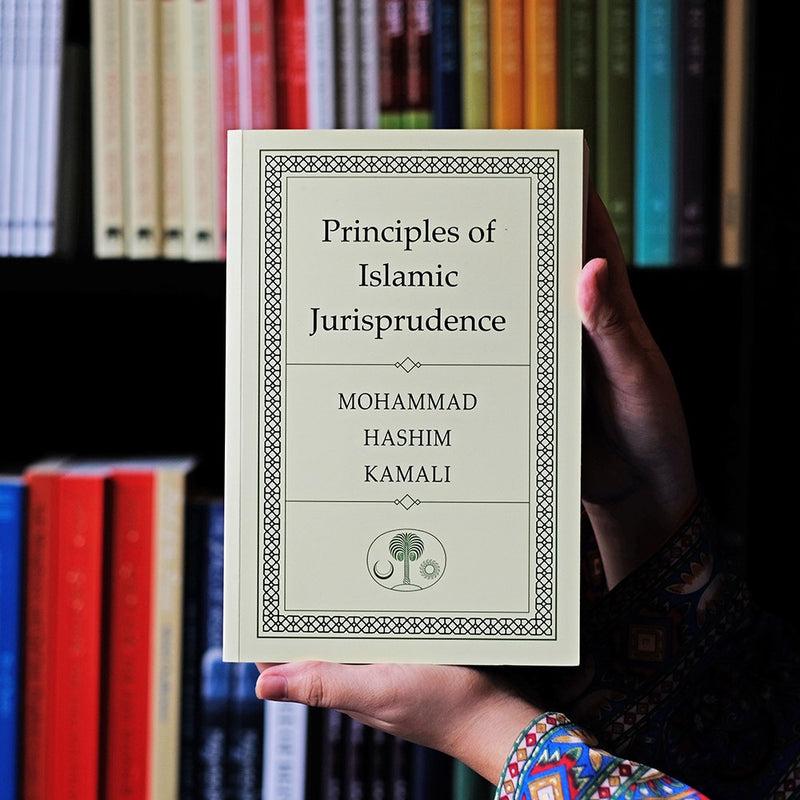
Sharia Law is one of the most discussed legal and religious concepts in the world. Derived from Islamic teachings, Sharia provides guidance on personal conduct, family matters, business ethics and other aspects of daily life for many Muslims.
The term Sharia Law comes from the Arabic word “Sharia,” meaning “the path” or “the way.” It is based primarily on the Quran and the teachings and practices of the Prophet Muhammad.
Today, Sharia Law is applied in different ways across various countries, depending on their legal systems and cultural traditions.
What Is Sharia Law?
Sharia Law is a framework of principles that guides many aspects of life for Muslims.
It covers areas such as:
- Worship and religious practices
- Family and marriage matters
- Business and financial transactions
- Personal ethics and behavior
- Community responsibilities
Interpretations of Sharia Law can vary among different Islamic schools of thought and regions.
Sources of Sharia Law
The main sources of Sharia Law include:
The Quran
The Quran is the holy book of Islam and serves as the primary source of guidance.
The Sunnah
The Sunnah refers to the teachings, actions and sayings of the Prophet Muhammad.
Scholarly Interpretation
Islamic scholars use legal reasoning and interpretation to address issues not explicitly covered in foundational texts.
These sources help shape how Sharia Law is understood and applied.
How Sharia Law Is Applied Around the World
The implementation of Sharia Law differs significantly from one country to another.
Some countries incorporate aspects of Sharia into:
- Family law
- Marriage and divorce regulations
- Inheritance matters
Others use largely secular legal systems while allowing Sharia-based rulings in certain personal matters.
Because legal frameworks vary widely, the role of Sharia Law is not the same everywhere.
Sharia Law in Nigeria
In Nigeria, some northern states operate Sharia courts alongside the country’s broader legal system.
These courts primarily handle matters involving:
- Marriage
- Divorce
- Inheritance
- Personal status issues
The application of Sharia Law in Nigeria has been the subject of legal, political and social discussions for many years.
Common Misconceptions About Sharia Law
There are many misconceptions surrounding Sharia Law.
Experts often note that:
- Interpretations differ among communities.
- Practices vary between countries.
- Many aspects focus on personal conduct and ethics.
- Application depends on local laws and legal institutions.
Understanding these differences is important when discussing Sharia Law in a global context.
Why Sharia Law Remains a Major Topic
Interest in Sharia Law continues because it plays a role in legal, religious and cultural discussions around the world.
Researchers, policymakers and religious scholars frequently examine how Sharia interacts with modern legal systems and contemporary social issues.
As a result, Sharia Law remains an important subject in discussions about religion, law and society.
Key Facts About Sharia Law
- Derived from Islamic teachings
- Based primarily on the Quran and Sunnah
- Applied differently across countries
- Covers religious, ethical and legal matters
- Continues to influence discussions on law and society