

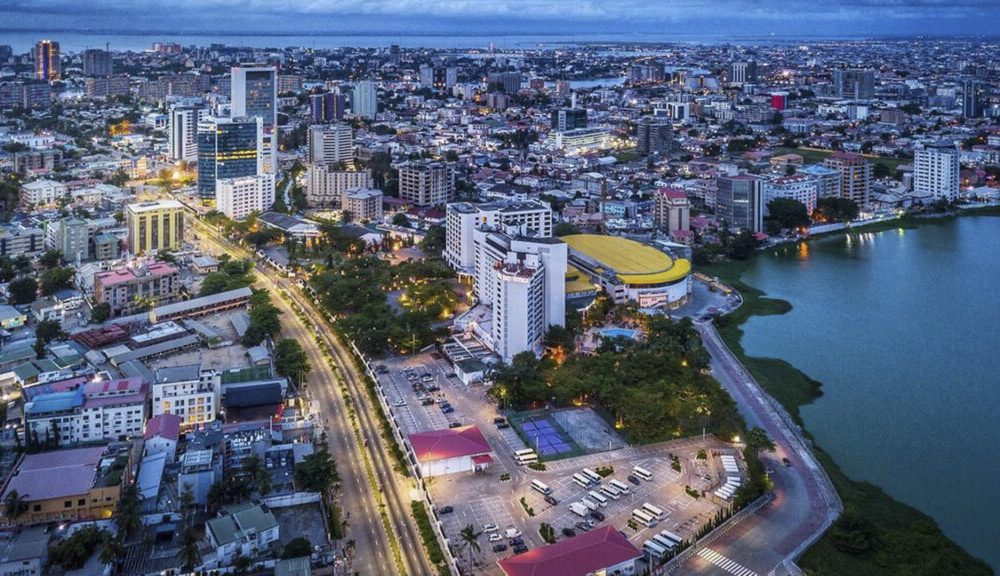
Life in Nigeria’s major cities is becoming increasingly expensive as households grapple with a sustained rise in the cost of living, driven by fuel subsidy removal, foreign exchange volatility, and persistent supply chain pressures.
Despite headline inflation easing to about 15.93% year-on-year, residents in Lagos, Abuja, and Port Harcourt say everyday expenses from rent to food and transportation, continue to strain incomes, forcing many families to drastically adjust their lifestyles and spending habits.
Housing remains the single largest financial burden for urban households, with rents in key cities reaching levels that are increasingly unaffordable for middle-income earners.
In Lagos, a one-bedroom apartment on the mainland now typically costs between ₦1.2 million and ₦2.5 million annually, while premium areas on the island can exceed ₦6 million. In Abuja, suburban districts such as Garki and Life Camp range between ₦800,000 and ₦1.8 million, while high-end neighbourhoods like Maitama and Asokoro can reach ₦15 million annually.
The widening gap between central and suburban housing costs is forcing many residents to relocate to peri-urban communities such as Ikorodu in Lagos and Mararaba on the outskirts of Abuja, trading longer commute times for lower rents.
Real estate analysts say Abuja’s city centre commands some of the highest premiums in the country, while Lagos remains more expensive overall when transport, logistics, and daily consumption costs are factored in.
Beyond rent, food prices continue to be a major driver of financial strain. Food inflation remains elevated, with essential commodities seeing steady increases across markets nationwide.
A 50kg bag of rice now sells between ₦58,000 and ₦82,000 depending on location and type of grains, while many urban households of four spend an estimated ₦150,000 to ₦250,000 monthly on basic groceries alone.
Economists say food prices have reached a relatively stable but high plateau, making it difficult for incomes to keep pace without additional sources of earnings.
ALSO READ: Beyond official figures: Nigerians feel the bite of “Invisible Inflation”
Analysts note a growing divide between Nigerians earning fixed local salaries and those with income tied to foreign currency or technology-driven industries.
While naira-based earners continue to face declining purchasing power, workers earning in dollars or other foreign currencies are increasingly insulated from domestic price pressures, allowing them greater access to housing, education, and lifestyle options in urban centres.
“The math of a fixed salary is no longer sustainable under current cost structures,” said financial analyst Olabode Ifeanyi. “Without income adjustments that match transport, housing, and energy costs, many households are effectively losing financial ground every month.”
In response to rising expenses, urban residents are adopting a range of coping strategies, including reducing discretionary spending, switching children to lower-cost schools, pooling transport through carpools, and cutting back on energy consumption.
For many families, maintaining a middle-class lifestyle now requires strict budgeting and multiple income streams, as traditional salary structures struggle to keep pace with inflationary pressures.
Economists attribute the rising cost of city life to a combination of macroeconomic reforms, energy price adjustments, import dependency, and infrastructure bottlenecks that continue to affect production and distribution costs.
While inflation appears to be moderating on paper, analysts say the lived experience of urban households reflects a different reality—one defined by persistent price pressures and shrinking disposable income.
As Nigeria’s cities continue to expand, experts warn that urban affordability will remain a key national challenge unless wage growth, productivity gains, and cost-of-living adjustments improve in tandem.
For now, surviving in the country’s major urban centres increasingly depends on financial flexibility, alternative income sources, and the ability to adapt quickly to rising economic pressures.