

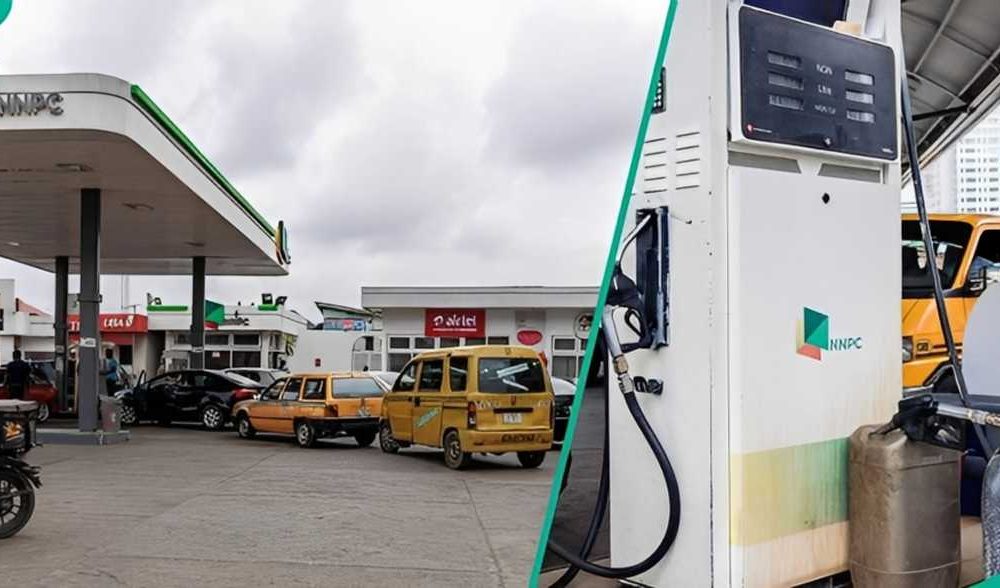
The Nigerian National Petroleum Company Limited (NNPCL) has reduced the pump price of Premium Motor Spirit (PMS), commonly known as petrol, by N75 per litre, in a move that underscores intensifying competition in Nigeria’s downstream oil sector.
The price cut follows a recent reduction in the ex-depot price of petrol by Dangote Refinery, a development that has triggered fresh adjustments across the fuel distribution chain and increased pressure on marketers to offer more competitive prices to consumers.
A market survey conducted on Tuesday revealed that NNPCL retail outlets across Abuja and its surrounding areas have lowered petrol prices from N1,335 per litre to N1,260 per litre.
The latest adjustment comes just seven days after Dangote Refinery reduced its ex-depot, or gantry, price of petrol to N1,175 per litre on June 16, a move that has continued to influence pricing decisions across the fuel distribution chain.
The N75 reduction is expected to provide some relief for motorists and businesses grappling with high transportation and operating costs, while also intensifying competition among fuel marketers seeking to attract customers through lower pump prices.
READ ALSO; Analysts urge privatization as NNPC sinks billions into idle assets
Industry observers attribute the recent downward trend in petrol prices largely to the decline in global crude oil prices, which has reduced production and supply costs for refiners and marketers.
Dangote Refinery’s decision to lower its gantry price has particularly had a ripple effect across the market, compelling fuel distributors and retailers to review their pricing structures.
Following Dangote Refinery’s adjustment, several independent marketers and retail chains, including MRS filling stations, also revised their pump prices downward.
Petrol has since been sold at prices ranging between N1,241 and N1,300 per litre across various filling stations in Abuja and other parts of the country.
The latest move by NNPCL underscores the growing influence of domestic refining on Nigeria’s petroleum market, with analysts noting that increased local production capacity is gradually creating a more competitive pricing environment.
As competition among refiners and marketers deepens, consumers may continue to benefit from price adjustments, particularly if crude oil prices remain stable or decline further in the coming weeks.
The development marks another significant shift in Nigeria’s evolving downstream sector, where market forces are increasingly playing a greater role in determining fuel prices following the deregulation of the petroleum industry.