

Key points
- The federal government plans to reassess the N70,000 minimum wage as living costs climb.
- President Bola Tinubu approved the N70,000 floor in July 2024 and cut the review cycle to three years.
- Officials promise to treat organized labor as a partner during the coming talks.
The federal government has signaled that it will reassess the N70,000 national minimum wage, saying the figure may no longer match Nigeria’s shifting economic conditions. Officials say the review could lift pay for millions of public and private workers.
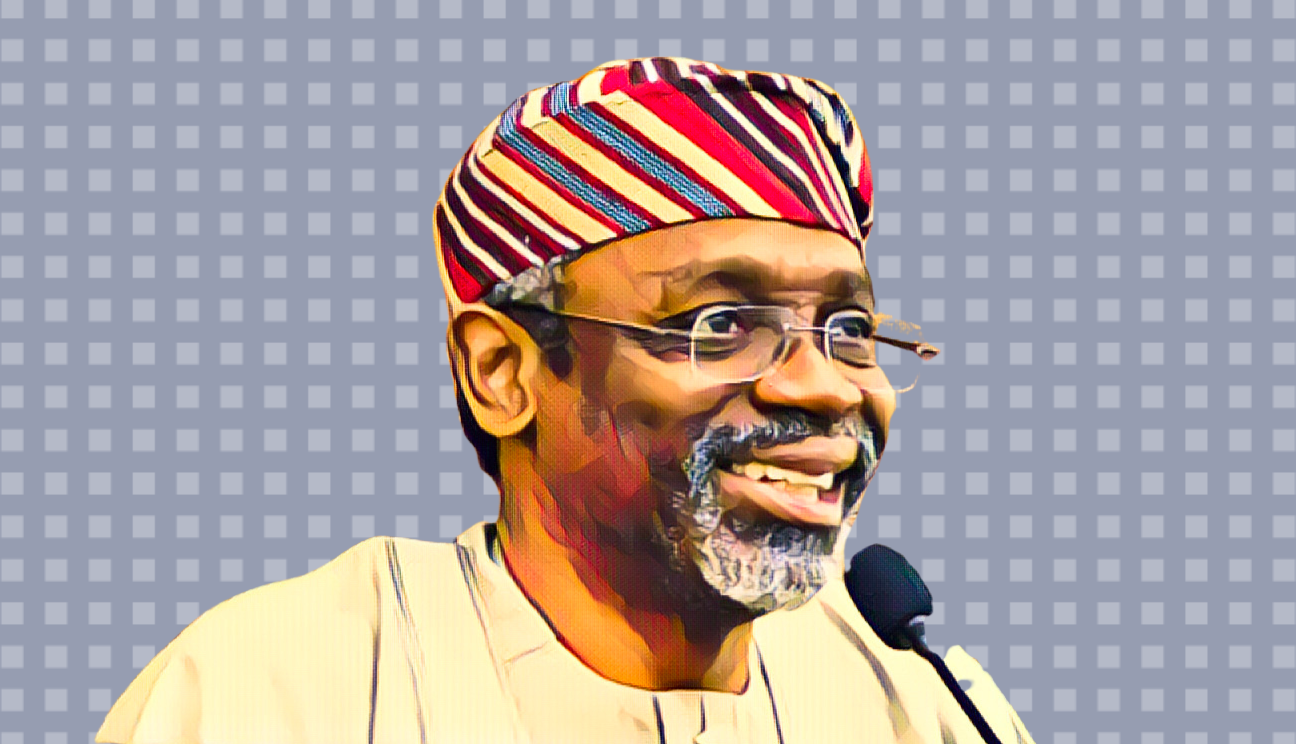
Femi Gbajabiamila, chief of staff to the president, made the disclosure Thursday at the Good Governance Summit 2026, which Working People United organized in Abuja. Notably, he stressed that the Tinubu administration wants workers’ pay to reflect current realities.
Moreover, he noted that the cost of living keeps evolving, and therefore wages must keep pace. First, the government wants to avoid the long pay freezes that once left workers stuck for years. Now, officials argue that a shorter cycle should keep earnings closer to inflation.
A wage milestone under review
Gbajabiamila recalled that President Bola Tinubu approved the N70,000 wage in July 2024, more than doubling the previous N30,000 benchmark. Additionally, the administration shortened the review cycle from five years to three, so salaries can change more often.
“This administration has delivered a new national minimum wage. In July 2024, President Bola Tinubu signed into law a minimum wage of N70,000, more than double the N30,000 that workers had endured for years,” he said.
Furthermore, he promised that the government would treat labor as a partner rather than an opponent throughout the review. Indeed, he urged unions to keep choosing dialogue over confrontation. As a result, he framed the coming negotiation as a shared task rather than a standoff.
“The N70,000 wage, which was a milestone in 2024, must be honestly reassessed against today’s realities,” he said. Consequently, he pledged that the administration would approach the talks not as an adversary of labour, but as a partner.
Governance measured by results
Meanwhile, Minister of Labour and Employment Muhammad Dingyadi argued that policies matter only when they improve daily life. He also tied effective leadership directly to measurable gains for ordinary Nigerians. According to him, real governance delivers decent jobs, higher productivity, stronger social protection and wider economic opportunity.
“The true measure of governance is the extent to which policies translate into improved livelihoods, decent work, increased productivity, social protection, economic opportunities, and dignity,” the minister said.
Earlier, WoPU national coordinator Williams Akporeha called Nigerian workers the backbone of the economy. Similarly, he tied lasting national development to their welfare and output. In addition, he said stronger collaboration would help both workers and the economy. Ultimately, he said the summit gathered workers across sectors to build ideas that strengthen growth and lift living standards.