

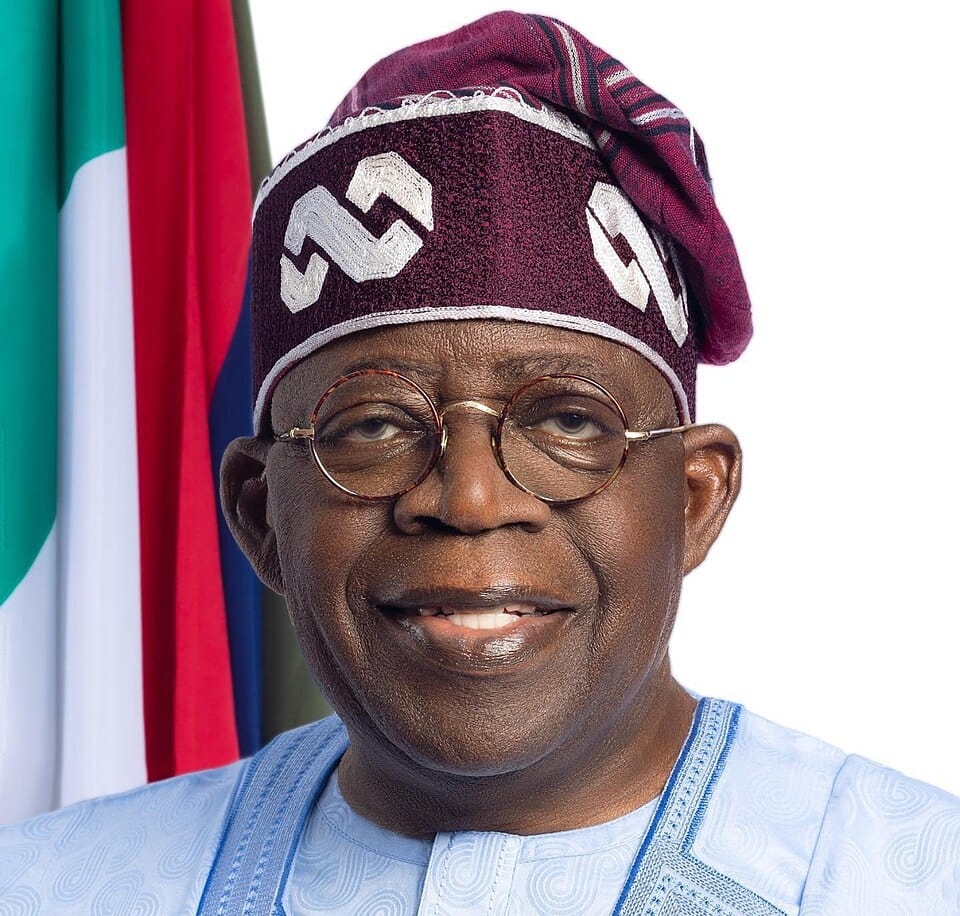
WARRI – Indigenous Ijaw and Urhobo communities in Delta State have cautioned President Bola Ahmed Tinubu against allowing external influences to subvert the rule of law and democracy in the Warri Federal Constituency.
In an open letter to the President dated June 5, the groups expressed strong dissatisfaction over what they described as an attack on the Constitution following a reported presidential directive to the Independent National Electoral Commission (INEC) to halt the implementation of a Supreme Court judgment.
The judgment, delivered on December 2, 2022, in suit SC/413/2016 (Hon. George U. Timinimi & Ors v. INEC), ordered the electoral commission to conduct a fresh delineation of electoral wards and polling units across Warri South West, Warri North, and Warri South Local Government Areas.
According to the indigenous groups, INEC had since met with stakeholders, carried out fieldwork from July 10 to 19, 2024, and presented a final report on May 20, 2026. The commission reportedly created two additional state constituencies and recommended a new Warri Federal Constituency II to cover Warri North and Warri South West.
However, jubilation over the development was short-lived after information emerged that the Presidency had ordered INEC to suspend further implementation, allegedly following objections raised by the Itsekiri ethnic nationality.
“We strongly believe that this decision arose from your matrimonial ties to the Itsekiri ethnic nationality,” the groups stated.
The Ijaw and Urhoho people accused the President of violating his oath of office, reminding him of his vow on May 29, 2023: “That I will not allow my personal interest to influence my official conduct or my official decisions… that I will do right to all manner of people, according to law, without fear or favour.”
They argued that the directive undermines the sanctity of the Supreme Court and INEC, warning that it poses a danger to democracy and the rule of law.
Citing Section 287(1) of the 1999 Constitution, which states that decisions of the Supreme Court “shall be enforced in any part of the Federation by all authorities and persons,” the groups insisted that the President is constitutionally bound to ensure enforcement, not obstruction.
They further referenced Section 160(1) of the Constitution, which provides that INEC’s powers to regulate its own procedure “shall not be subject to the approval or control of the President.”
The Indigenous Ijaw and Urhobo people of Warri Federal Constituency submitted two formal requests:
· That the constitutional independence of INEC be respected by all agencies of the Federal Government in the interest of the rule of law and democracy.
· That the Presidency refrain from interfering in INEC’s statutory responsibility to implement the fresh delineation as ordered by the Supreme Court for the conduct of the 2027 elections.
“May the day not come when orders of the apex court would be disregarded with impunity,” the statement read. “That would portend a direct attack on the rule of law and a direct invitation to anarchy.”