

KEY POINTS
- Obi says effective governance is “not rocket science” and faults Tinubu’s policies.
- He pledges unity, social inclusion, education and technical training to cut poverty.
- He says he would have removed fuel subsidy, but in an organized, consulted manner.
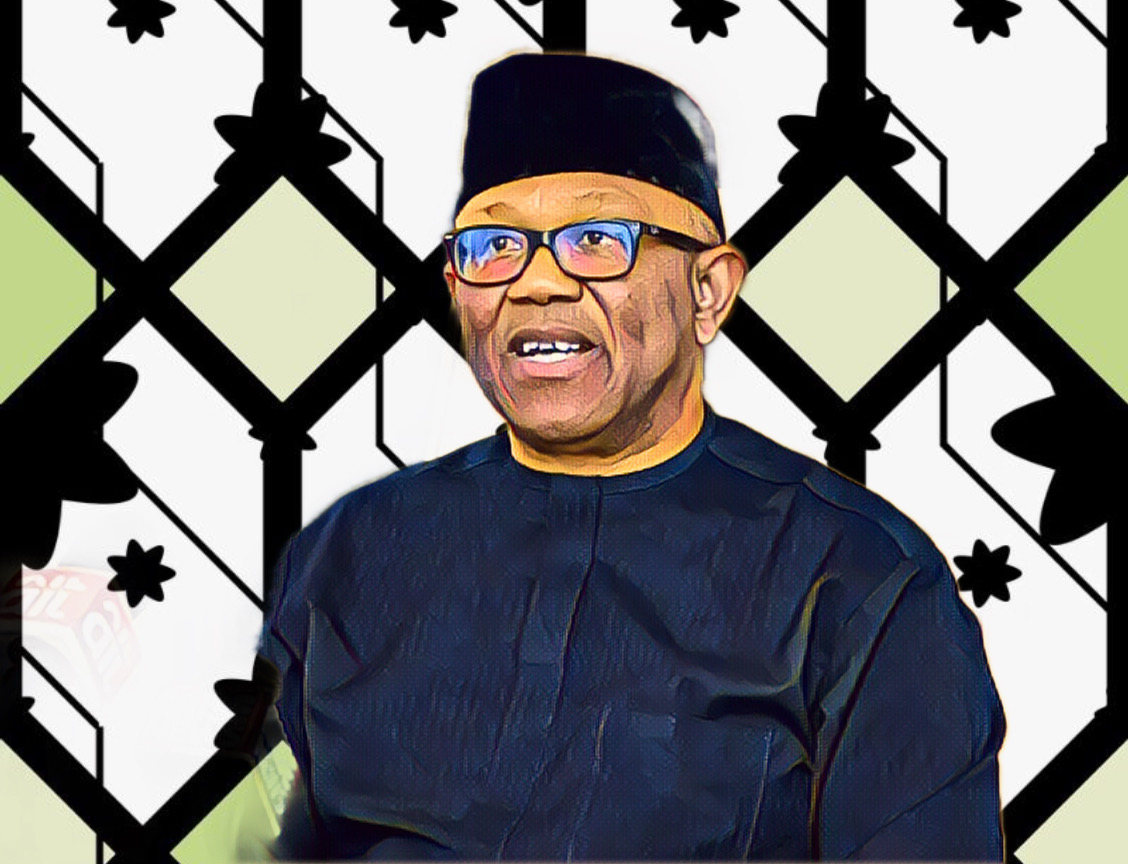
The presidential candidate of the Nigeria Democratic Congress, Peter Obi, has argued that Nigeria can address its challenges through deliberate policies, investment in human capital and inclusive governance, insisting that effective governance is “not rocket science.” He made the remarks during an interview on the Nevon HQ podcast, hosted by broadcaster Rufai Oseni.
A blueprint built on unity and skills
According to Obi, national transformation must begin with unity and a sense of belonging among citizens. “I will start transformation by uniting this country, bringing it together to be a country everybody will be proud of,” he said. Moreover, he argued that other nations have already shown the way. “These things are not rocket science. Countries across the world have done this,” he added.
Furthermore, Obi said his administration would prioritize social inclusion and poverty reduction through strategic investment, especially in education. He also stressed technical and vocational training as a major plank of his agenda. “We must ensure that people go through technical training,” he said. Drawing on Indonesia, he noted that small businesses anchor many successful economies, pointing out that the country runs a ministry for micro, small and medium enterprises because most people operate at that level.
Faulting the current reforms
In addition, Obi revisited the contentious removal of the fuel subsidy. He maintained that he would have ended the regime, but through a different process. “I would have removed subsidy, but in an organized manner. I would not have announced it on inauguration day. I would have sat down with experts before I made the decision,” he said.
Consequently, the former Anambra State governor questioned the impact of the government’s reforms on ordinary citizens. “Now that he has removed subsidy and deregulated the naira, what is the impact on average Nigerians?” he asked, arguing that policy decisions should ultimately improve living conditions.
Notably, Obi said his party would soon release its manifesto, which would spell out his proposals in detail. “You will see our manifesto; the party will soon release it,” he said. Ultimately, he insisted that Nigeria’s problems demand practical solutions rather than complex theories, naming good governance, education, skills development and support for small businesses as the keys to national progress.