

By Maryanne Awuya
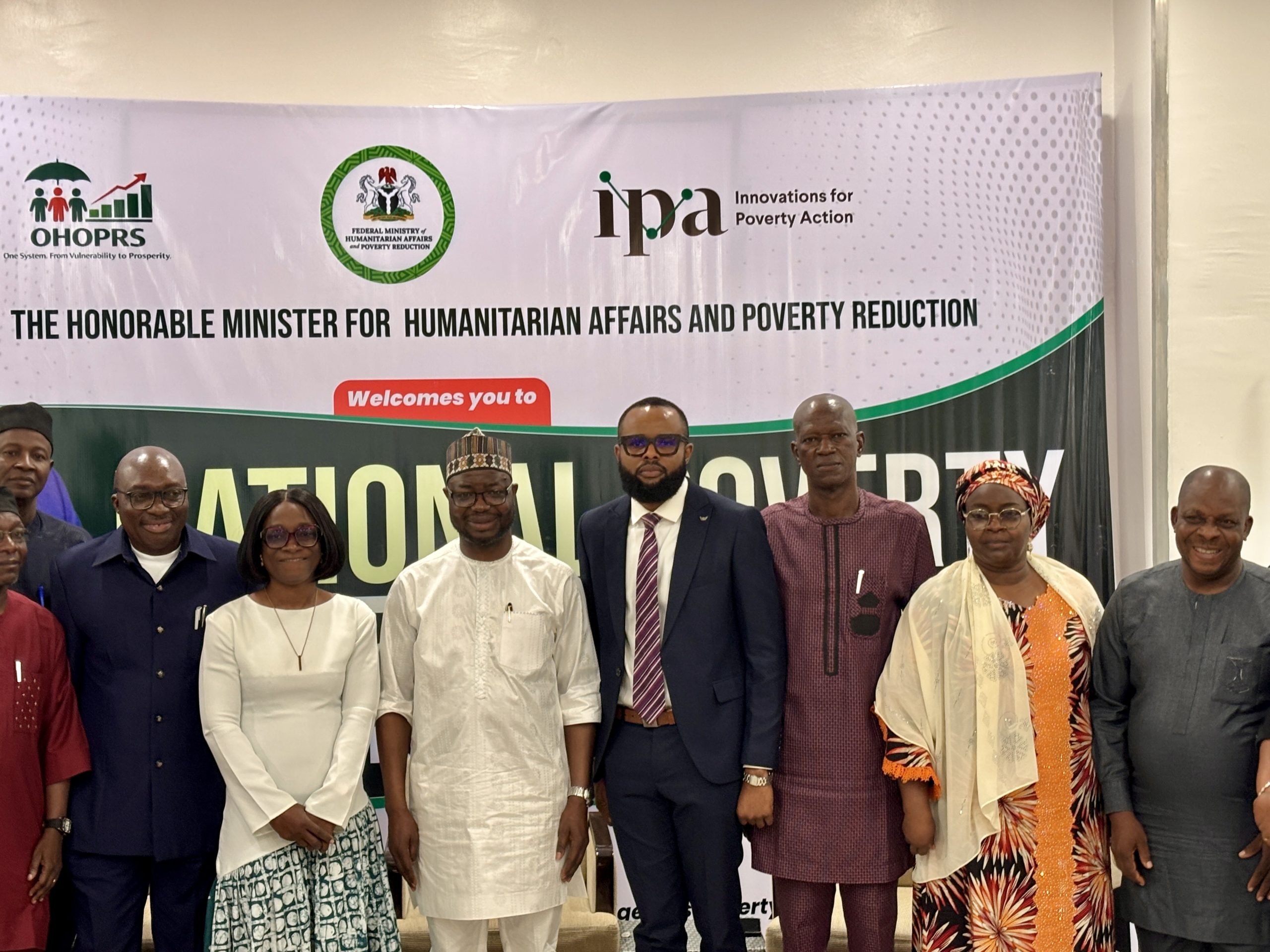
The Minister of Humanitarian Affairs and Poverty Reduction, Dr. Bernard Mohammed Doro, has launched the National Poverty Intelligence Lab, describing it as a major step towards building a coordinated, data-driven system for poverty reduction and humanitarian response in the country.Speaking at the unveiling of the initiative on Wednesday in Abuja, Doro said the platform would serve as the intelligence backbone of Nigeria’s poverty reduction architecture, supporting policy formulation, programme design, implementation, resource allocation, and performance management.
He said the launch marked the beginning of a national reform aimed at transforming how Nigeria understands, responds to, and ultimately reduces poverty.
“Today is not simply the launch of a project. It is the beginning of a national reform that transforms how Nigeria understands, responds to and ultimately reduces poverty as a nation,”
Persecondnews quotes Doro as saying.
The minister noted that Nigeria faces one of the world’s most complex poverty challenges, with an estimated 140 million people living below the poverty line.
According to him, addressing the challenge requires more than good intentions, stressing the need for systems, intelligence, evidence, leadership and coordinated action.
“The National Poverty Intelligence Lab will serve as the intelligence platform of Nigeria’s poverty reduction architecture. For many years, our interventions have been driven by assumptions rather than evidence, sometimes by politics rather than data, and by projects rather than systems. The National Poverty Intelligence Lab changes that,” he said.
Doro said the platform would provide the analytical infrastructure needed to generate credible data, guide decision-making and improve accountability in poverty reduction programmes.
“Data is not a bureaucratic exercise. It is the engine that will tell us whether we are getting there or not.”
The minister also said the initiative would lay the foundation for the One Humanitarian-One Poverty Response Framework (OHOPRS), which seeks to coordinate humanitarian and poverty reduction interventions across the country.
Calling for collaboration among stakeholders, Doro urged development partners, government agencies and other actors to contribute their expertise and resources to ensure the success of the initiative.
“Poverty cannot be reduced through assumptions. It cannot be solved through isolated interventions operating without coordination or accountability. Through OHOPRS, we are building systems. Through the National Poverty Intelligence Lab, we are building the intelligence,” he said.
Director of Social Development in the ministry and representative of the Permanent Secretary, Mr. Valentine Ezulu, said the initiative reflects a shared commitment to evidence-based policymaking and inclusive development.
He described poverty as one of the country’s most pressing challenges and said tackling it requires timely, accurate and actionable information.
“The National Poverty Intelligence Lab represents a significant step in strengthening our capacity to generate, integrate, analyse and utilise data for decision-making,” Ezulu said.
According to him, improved intelligence and data insights would help government agencies better target interventions, allocate resources efficiently, monitor outcomes and ensure that vulnerable populations are not left behind.
He said the implementation phase would include a comprehensive assessment of existing monitoring, evaluation, learning and data systems to identify gaps and opportunities for improvement.
In her remarks, the Country Director of Innovations for Poverty Action (IPA) Nigeria, Fummi Ayeni, said the organisation was pleased to partner with the ministry on the initiative.
Ayeni said sustainable poverty reduction requires evidence-based solutions and strong systems capable of delivering lasting impact.
“There are many conversations about how to get people out of poverty, but we need systems that result in lasting impact, not just things that come and go. We need solutions built on evidence,” she said.
She added that the partnership reflects a shared vision of creating opportunities for vulnerable Nigerians and strengthening the effectiveness of poverty reduction interventions across the country.
Persecondnews correspondent at the event reports that the National Poverty Intelligence Lab is expected to support the government’s efforts to improve social protection systems, strengthen coordination among stakeholders and enhance the use of data in designing and implementing poverty reduction programmes.