

KEY POINTS
- Nigeria’s revenue reached N15.8tn in five months, up 49 percent year-on-year.
- Economists credit tax reforms, better administration and stronger oil earnings.
- Oil-related taxes rose over 20 percent to N3.96tn, while non-oil revenue hit N8.2tn.
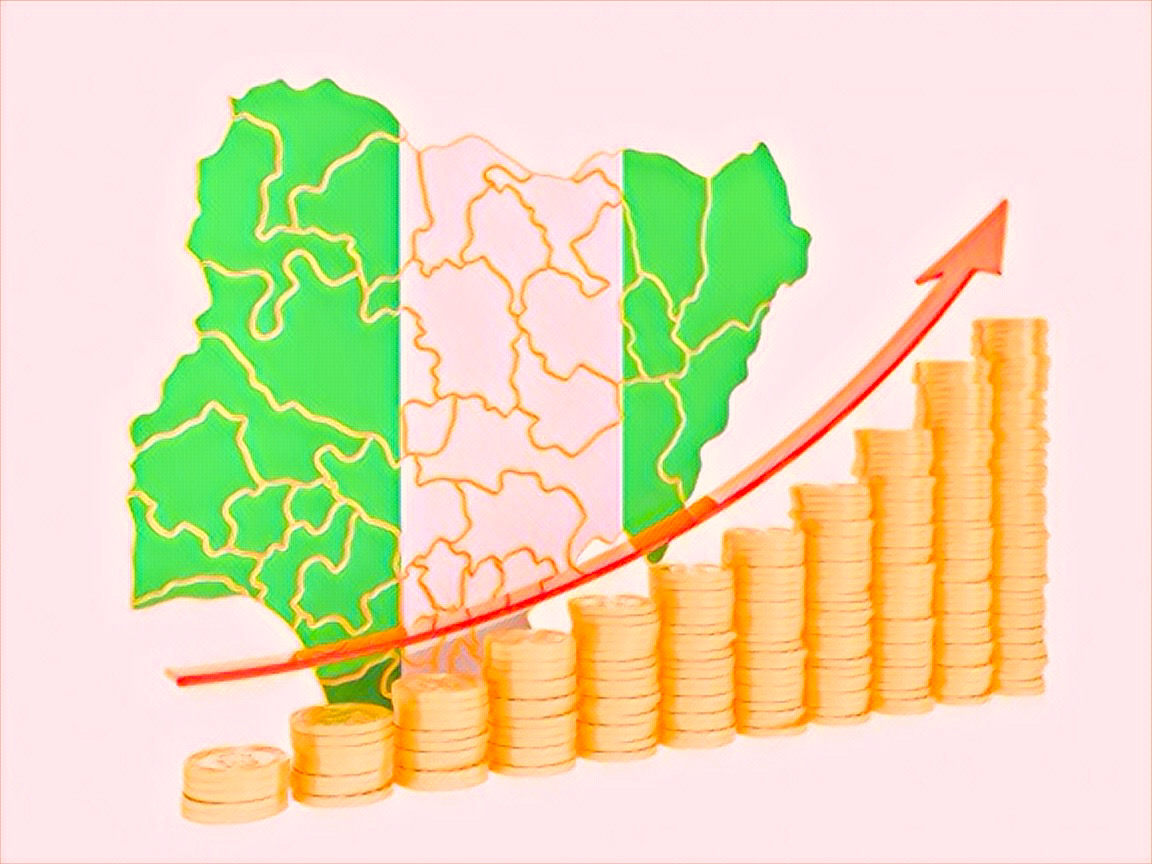
Economists have attributed Nigeria’s strong revenue performance in the first five months of 2026 to recent tax reforms, improved revenue administration and stronger oil sector earnings, after government collections reached N15.8 trillion in the period. According to Nigeria Revenue Service data reported by Bloomberg, revenue rose 49 percent year-on-year from N10.6 trillion in the same period of 2025.
Nigeria revenue reforms widen the tax base
The figure also exceeded the government’s baseline growth target of 11.6 percent, offering early evidence of the gains from reforms that aim to widen the tax base, improve compliance and strengthen administration. Former Chief Economist at Zenith Bank, Marcel Okeke, said the performance reflects a mix of tax reforms, better administration and stronger oil output. “The introduction of new tax laws is beginning to yield results by expanding the tax base and improving efficiency in collection,” he said.
Moreover, the underlying trend looked solid even without the new levies. Excluding revenues from newly introduced taxes, collections still rose 15 percent to N12.2 trillion, which points to stronger efficiency and improved compliance across major streams.
Oil and non-oil both climb
According to the report, oil-related taxes increased by more than 20 percent to N3.96 trillion, supported by higher crude prices amid Middle East tensions that lifted export earnings. Okeke said the gain also reflects better crude production and exports. “It’s been a long time since Nigeria consistently met its production quota in terms of oil output and exports,” he said.
Furthermore, another economist, Dr. Aliyu Ilias, linked the rise to tax revisions, higher excise duties and broader policy measures. Meanwhile, non-oil revenue grew 12.3 percent to N8.2 trillion, which reflects stronger collections across key activities and efforts to cut reliance on hydrocarbons. Notably, the figures exclude proceeds from revised personal income tax rates that state governments began administering on January 1, 2026.
However, both economists cautioned that the gains will only matter if higher revenues translate into infrastructure, stability and better living standards. Ultimately, the growth follows sweeping reforms under President Bola Tinubu, who set up the Presidential Committee on Fiscal Policy and Tax Reforms, chaired by Taiwo Oyedele. Tinubu signed four landmark tax bills into law in June 2025, and full implementation began on January 1, 2026, replacing older legislation with the Nigerian Tax Act and creating the Nigeria Revenue Service.