

Health
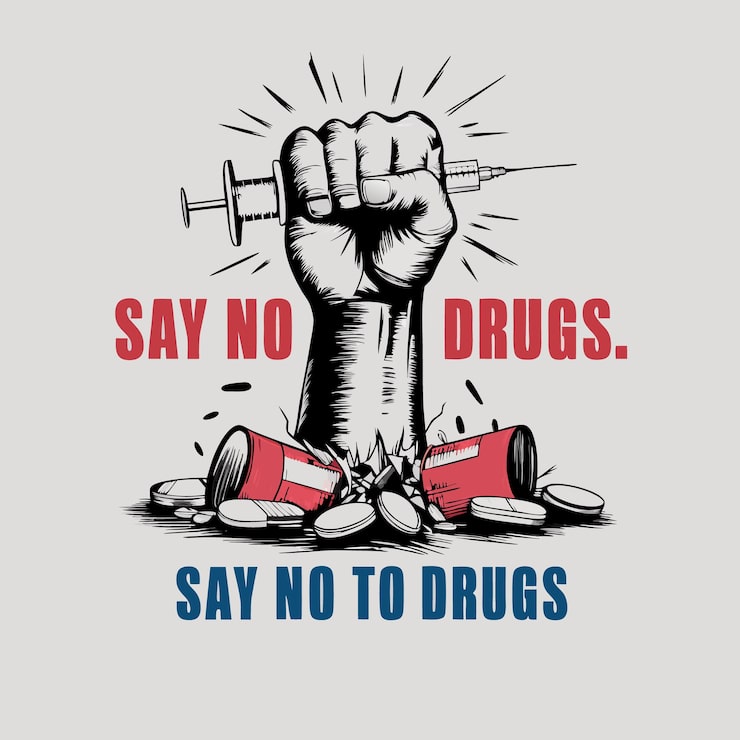
PARTICIPANTS at a programme to mark 2026 World Drug Day have called for the collective efforts of parents and therapists to curb the menace of drug abuse and use of illicit substances among youths.
The programme which took place at the Drug Abuse Treatment and Rehabilitation Unit of the Federal Neuropsychiatric Hospital Yaba, Lagos was organised by the Social Work Department of the hospital in collaboration with the Lions Club of Lagos.
The theme of this year World Drug day is “World Drug Problems: Persisting Issues, New challenges, Innovative responses.”
The World Drug Day is marked annually on June 26, to raise awareness about the global issue of drug abuse and the illicit drug trade.
Speaking, the Assistant Director, Medical Social Work Services Department of FNPHY, Mr Orina Oluwagbemiga, described drug abuse as a global menace, highlighting efforts of the department in the recovery journey of people involved in drug abuse.
“The medical social workers contribute to their psycho-social interventions including assessment, treatment, diagnosis and management.
“We also help them to overcome stigmatisation challenges as we engage them and their families on how to relate to enhance functionality and inclusion,” Oluwagbemiga said.
The Head, Drug Use Disorders Treatment and Rehabilitation Unit, FNPHY, Dr Abayomi Ojo, underscored the need for strong interaction/collaboration between the patients, parents and therapists to enhance recovery of people involved in drug abuse.
Ojo identified some of the major factors driving drug abuse to include social economic inequality, poverty, unemployment, mental health disorder, stigma among others.
He noted that parents and families played vital role in addressing the issue of drug abuse, urging them to step up efforts toward raising more responsible children.
Ojo emphasised the responsibility of parents toward rehabilitation continuity particularly after drug abuse patients had been discharged from the hospital.
“The family is the pillar of the society where children should learn morals, values and behaviours that could transform their lives to be responsible citizens.
“These days, we notice more of young females getting involved in drugs and new types of drug abuse unlike before.
“Hence, the need for collaboration among parents, therapists, individuals , agencies and government.
“Effective response require a shift in approach which include, apart from law enforcement, integrated prevention, early intervention, evidence-based treatment, technological intervention and strong collaboration,” Ojo said.
Ojo, however, identified lack of facilities and personnel as major challenges, calling for intensified efforts of the government and philanthropic organisations toward establishing more drug rehabilitation centres across the country.
The Guest Speaker, Dr Peter Adenibuyan, said that drug addiction was a chronic relapsing brain disease characterised by compulsive drug seeking in spite of the harmful consequences.
Highlighting the dangers of drug abuse, Adenibuyan identified heart disease, liver damage, kidney failure, increased risk of infections, and brain damage as some health implications.
Beyond the health implications, he noted that drug abuse affected productivity, increased crime, and reduced quality of life.
F.O
Tags: Drug