

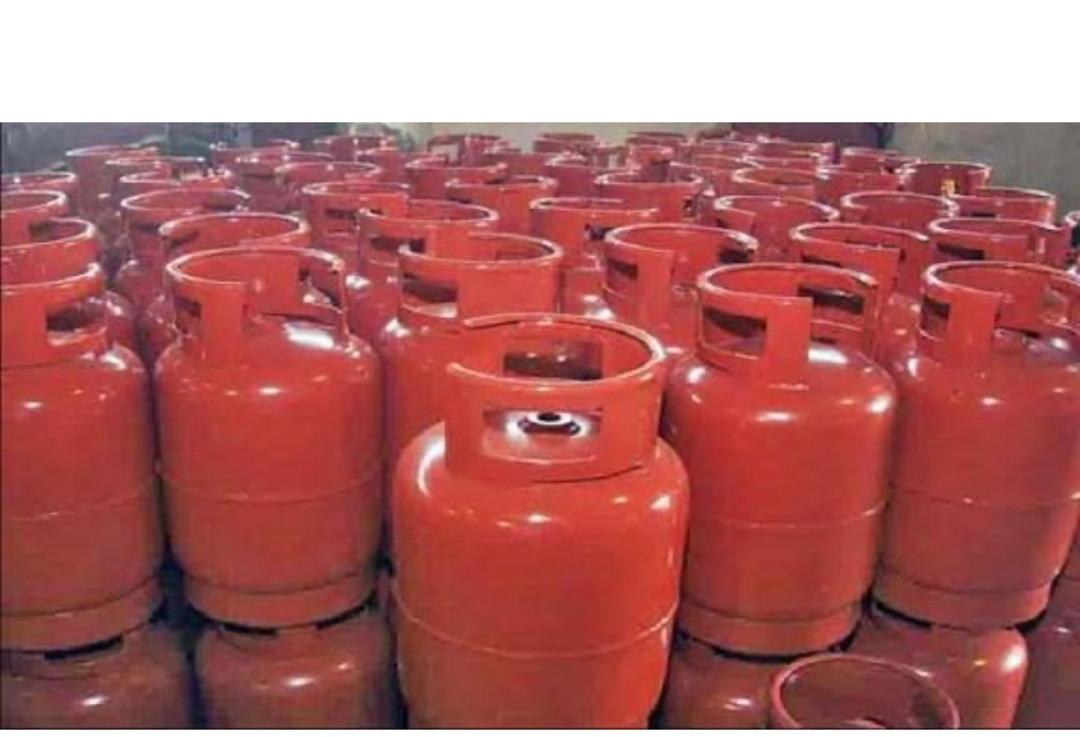
Nigerian households may finally be getting some relief as the retail price of Liquefied Petroleum Gas (LPG), popularly known as cooking gas, has begun to decline across several parts of the country following improved product supply and lower depot prices.
The price reduction comes after weeks of sharp increases that placed additional financial pressure on millions of households already grappling with the rising cost of living. Industry stakeholders say improved availability of the product has started easing market tensions, although prices still vary from one location to another due to transportation costs and other logistics challenges. Blueprint reports
Supply improvement drives price reduction
Market checks by gas marketers indicate that cooking gas is now selling between ₦1,100 and ₦1,350 per kilogramme in Lagos, Ibadan and Abeokuta.
In Benin City, Port Harcourt and Warri, consumers are paying between ₦1,150 and ₦1,400 per kilogramme, while prices in Onitsha and Enugu range from ₦1,200 to ₦1,450 per kilogramme.
Residents of Abuja are purchasing cooking gas at between ₦1,250 and ₦1,500 per kilogramme, while prices remain slightly higher in parts of northern Nigeria because of transportation costs and the distance from major supply depots.
Northern states still record higher prices
Despite the downward trend, consumers in several northern states continue to pay more than their counterparts in the southern part of the country.
Industry data show that cities such as Kano and Kaduna currently record prices ranging from ₦1,300 to ₦1,550 per kilogramme, while Maiduguri and some communities in the North East still pay as much as ₦1,650 per kilogramme.
Marketers attribute the price differences largely to transportation expenses, security concerns along distribution routes and higher operating costs incurred by retailers.
Cylinder refill costs begin to ease
The decline in retail prices has also reduced the amount consumers pay to refill cooking gas cylinders.
Based on the current market rates, a 5kg cylinder now costs between ₦5,500 and ₦8,250 to refill, depending on location.
A 6kg cylinder costs between ₦6,600 and ₦9,900, while households refilling a 12.5kg cylinder are expected to pay between ₦13,750 and ₦20,625, with prices varying according to retailer and geographical location.
Marketers express optimism
Industry operators say the easing prices reflect improved product availability after recent supply disruptions.
The National President of the Nigerian Association of Liquefied Petroleum Gas Marketers, Edu Inyang, said the inflow of LPG into the domestic market had improved considerably, leading to gradual reductions in retail prices.
Similarly, the National Chairman of the LPG Retailers Branch of the Nigeria Union of Petroleum and Natural Gas Workers (NUPENG), Ayobami Olarinoye, noted that normalcy was gradually returning to the sector as marketers now purchase products at lower depot prices than in previous weeks.
Relief after weeks of price hikes
The latest development comes barely a month after cooking gas prices surged to as high as ₦2,000 per kilogramme in some parts of the country following supply shortages and rising logistics costs.
Earlier in June, industry experts blamed the increase on inadequate supply, import constraints and market dynamics despite Nigeria’s growing domestic gas production.
The sharp increase had forced many households to reduce gas consumption or temporarily switch to alternative cooking fuels such as firewood and charcoal because of affordability concerns.
Experts urge sustained supply
Energy experts have welcomed the current price reduction but cautioned that maintaining stable prices will depend largely on sustained domestic supply, efficient distribution and favourable market conditions.
They argued that Nigeria, despite possessing one of Africa’s largest natural gas reserves, must continue investing in domestic LPG production, storage infrastructure and transportation networks to guarantee stable supplies nationwide.
Analysts also stressed the need for policies that encourage local consumption while reducing excessive dependence on imported LPG, noting that improved domestic availability would shield consumers from external market shocks.
Consumers hope for further reductions
For many Nigerians, the gradual decline in cooking gas prices offers a measure of relief at a time when households continue to grapple with rising food prices, transportation costs and other living expenses.
Consumers have expressed optimism that the improving supply situation will trigger further reductions in the coming weeks, making cooking gas more affordable and encouraging more families to continue using the cleaner cooking fuel.
Industry stakeholders share that optimism but warn that sustaining the downward trend will require uninterrupted supply, stable foreign exchange conditions and efficient distribution across the country.
If current market conditions persist, the recent easing in cooking gas prices could mark the beginning of a broader recovery in Nigeria’s LPG market, providing much-needed relief for millions of households that rely on the product for their daily cooking needs.