

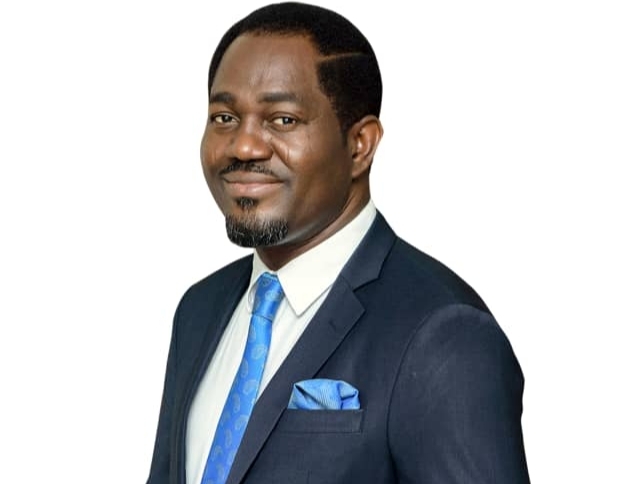
In a statement released at the weekend, Agbomhere – Chief Operating Officer of UBIIJUS Intelligence – argued that Nigeria’s security challenges demand unity, patriotism, and citizen cooperation with security agencies, not street demonstrations or anti-government rhetoric.
“It deeply upsets me to see gullible, unpatriotic and ill-wishing Nigerians, both at home and abroad, celebrating VeryDarkMan, whose stock-in-trade is insulting people online and ridiculing a nation facing complex security challenges,” he said.
“Calling for protests against insecurity or against President Bola Ahmed Tinubu’s leadership is not patriotism; it is an act capable of encouraging disorder and undermining national stability.”
Agbomhere noted that insecurity stems from multiple factors – weak law enforcement, poverty, unemployment, poor education, communal conflicts, drug abuse, greed, and the pursuit of quick wealth – and stressed that addressing these issues requires collective effort, not political agitation.
According to the author of Nigeria’s National Security Challenges, the solution lies in stronger citizen co-operation with security agencies through credible intelligence and community vigilance.
He commended the armed forces, police, Department of State Services (DSS), Office of the National Security Adviser (ONSA), Federal Road Safety Corps (FRSC), Nigeria Security and Civil Defence Corps (NSCDC), and other emergency services.
“While significant challenges remain, Nigerians must acknowledge the dedication and sacrifices of the men and women who risk their lives daily in service to our nation. Their efforts deserve recognition and the active support of citizens,” he said.
Agbomhere maintained that security cannot be left to government alone: “No security architecture, regardless of its sophistication, can succeed without public support. Given the size of our country and the complexity of modern threats, citizens must remain vigilant and promptly report suspicious activities. Timely intelligence from the public remains one of the most effective tools for preventing crime.”
Drawing comparisons with the United Kingdom and the United States, he observed that citizens in advanced democracies often serve as the first line of defence through vigilance and co-operation with law enforcement.
He also alleged that some political actors plan to exploit insecurity as a platform for partisan interests ahead of the 2027 general elections, warning that inflammatory rhetoric and attempts to mobilise public anger against constituted authority could heighten tensions nationwide.
While acknowledging Nigerians’ constitutional right to freedom of expression, Agbomhere stressed that such rights “must be exercised responsibly and in a manner that promotes peace, unity and national development.”
He urged public office holders, security personnel, and law enforcement agencies to remain steadfast in preventing crime and ensuring offenders face justice. He called on Nigerians not to lose faith in the country’s institutions, adding that the fight against insecurity requires patience, resilience, and sustained collaboration.
“Nigeria will overcome its current security challenges if citizens, communities and government institutions work together in the national interest. This is a time for unity, patriotism and collective action, not division. Together, we can build a safer and more secure nation for all,” Agbomhere concluded.