

By Omoyeni Ojeifo
Nigeria’s 2027 general elections risk severely damaging the nation’s remaining electoral integrity unless immediate steps are taken to overhaul democratic institutions and political parties.
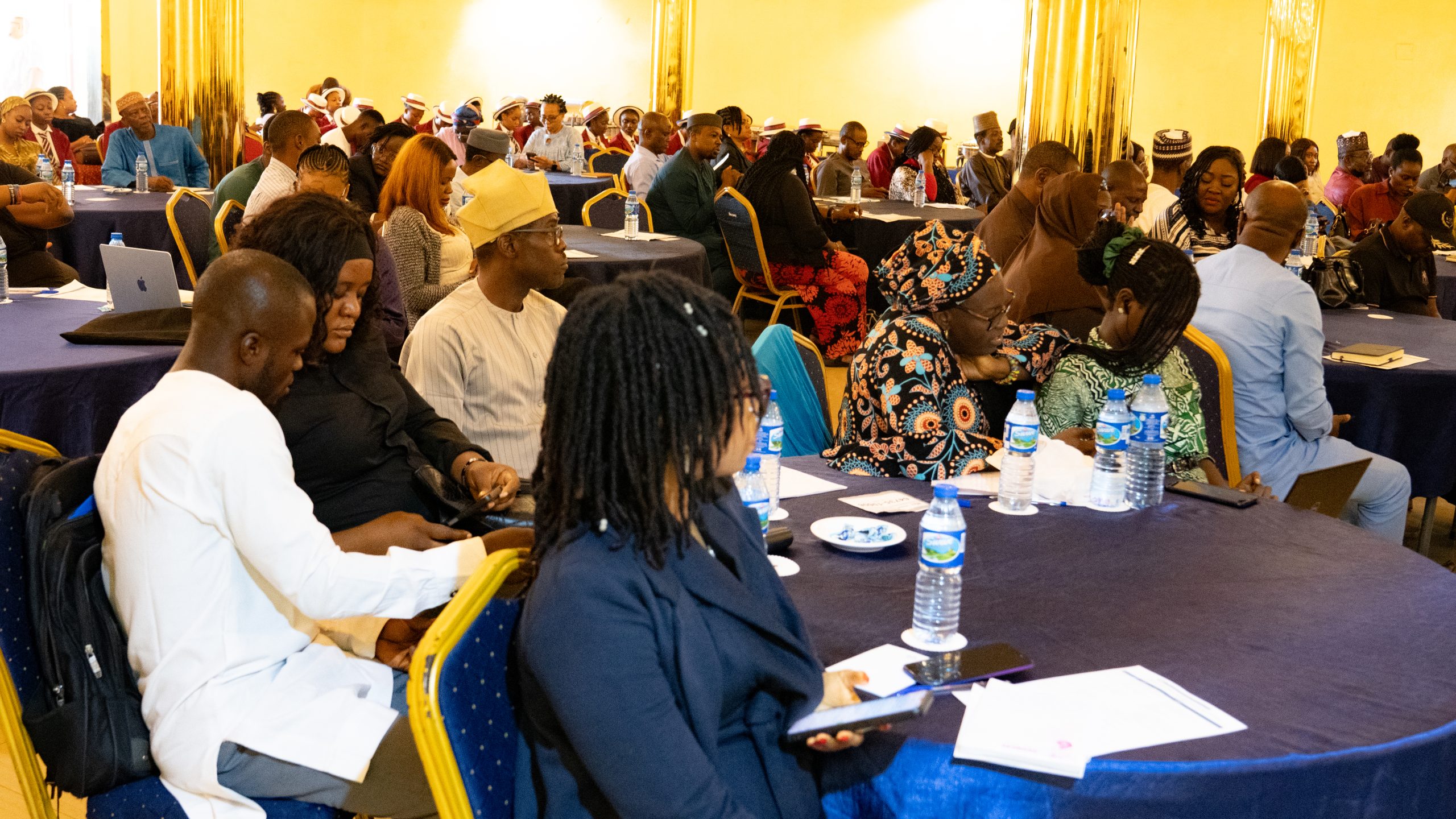
Prof. Samuel Egwu, a political scientist from the University of Jos, issued this stark warning on Tuesday during a memorial lecture hosted by the Centre for Democracy and Development (CDD–West Africa) in Abuja.
Persecondnews correspondent at the event reports that the centre’s pioneer chairman, Tajudeen Abdul-Raheem, (who died in 2009), and its pioneer treasurer, Abubakar Momoh, (who died in 2017), bagged post-humous honours for their enduring contributions to democracy and civic engagement across Africa.
Delivering a lecture titled, “From Promise to Paralysis: Political Parties and the Obstacles to Democratic Elections in Nigeria,” Egwu said Nigeria has sustained regular elections since 1999 but has struggled to deepen democracy and improve the welfare of its citizens.
“The reality is that we are drifting away from the promising values that democracy offers as a viable framework for addressing most of the challenges confronting us as a people,”the professor of political science said.
He warned that without urgent reforms, the country’s democratic trajectory could suffer further setbacks ahead of the next general election.
“The 2027 election could mark a further decline in the country’s scorecard on electoral integrity if urgent reforms are not undertaken.”
According to him, the abuse of the incumbency factor, insecurity, poverty, hate speech and restrictions on opposition activities are among the emerging threats to credible elections.
“Some of the foreboding signs include the deployment of the incumbency factor to advantage in a way that threatens competitive elections and the freedom of the opposition to organise,” he pointed out.
Despite the challenges, Egwu acknowledged ongoing preparations for the polls, including continuous voter registration and efforts to improve election technology.
“There is a lot of public pressure that the 2027 election must be an improvement over the 2023 election.”
The political scientist, however, said Nigeria’s democracy has remained largely procedural, with elections yet to produce meaningful improvements in the lives of its citizens.
“We have been able to conduct elections regularly, but there is no sign of progress in addressing the living conditions of Nigerians.”
He also faulted the country’s political parties, saying they have failed to deepen internal democracy and increasingly serve elite interests rather than the electorate.
“Political parties are simply electoral machines, and we do not have any way of reforming political parties to behave.”
Egwu called for reforms to strengthen political parties and safeguard electoral integrity, saying only then can democracy deliver on its promise to Nigerians.